
Long overdue, I know. I’ve been a busy bee, juggling client projects with my own garden dreams here in Kent, and it’s only now that we’re starting to feel the momentum of something real taking shape.
This blog marks the beginning of a journey rather than a finished product. After a long, labor-intensive clearance, we’re now turning our attention to our own small gardening projects. I’m excited to share progress reports, triumphs, and the inevitable missteps along the way—because there will be missteps, too.
What you can expect from Brambles to Bloom: My Gardening Chronicles
- Chronicles of small victories in the veg plot, the wildlife pond, and the polytunnel.
- Honest reflections on lessons learned from more than a decade of professional gardening maintenance—yes, we’ve been providing gardening maintenance in Kent for over 14 years, and the learning never stops.
- A candid look at the journey toward our evolving target. It’s less about reaching a final destination and more about continuous growth, adaptation, and fresh ideas that keep us moving forward.
A note on the process
Truth be told, we’re still a work in progress. Our goals will twist and turn as the garden teaches us new lessons and opens up new possibilities. If a post isn’t perfectly polished or a project isn’t camera-ready, that’s the reality of a living, growing space—and it’s exactly what I want to capture. Expect unglossed, real-life progress: the background mess, half-finished projects, budget considerations, and weather that never seems to cooperate for the perfect shot. I want these posts to feel authentic, because that’s what makes a garden worth following. And yes, they’ll get better over time.
Why “Brambles to Bloom” matters
If you’ve ever looked at a neglected space and seen potential, you’ll understand. Brambles to Bloom is a tribute to transformation—starting from a place that seemed a tangle of brambles and fallen trees, and moving toward a space that thrives with life, color, and purpose. The name captures the contrast between the rough, tangled beginnings and the flowering, thriving garden we aim to nurture.
A quick look back at where we started
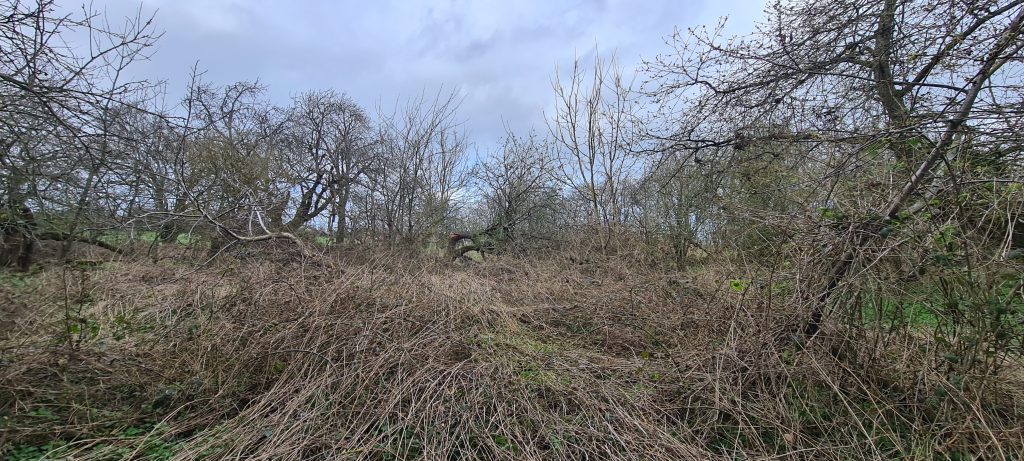
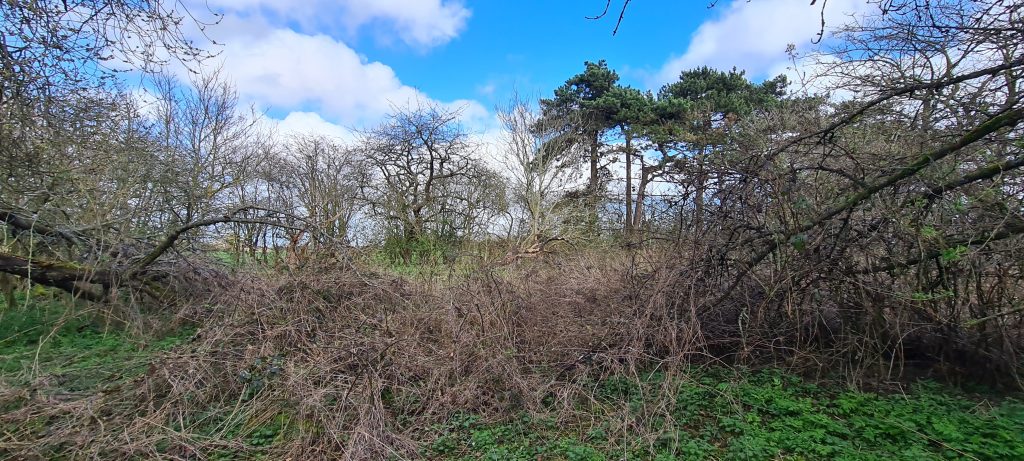
- The site began as a cherry orchard, overwhelmed by neglect. Brambles choked the canopy, fallen trees lay in the understory, and passage through the site felt nearly impossible.
- Today, that chaos has given way to something more hopeful. The cherry trees remain, but we’ve also welcomed self-seeded walnuts (some in less-than-ideal spots, but we’re retaining as many as we can). We’ve planted new trees too—apples, additional cherries, plums, pears, and more—to create a richer, more resilient planting.
Foundations for a resilient garden (what’s already underway)
- Soil health: We’re prioritizing soil structure and fertility to support both edible crops and ornamental plantings. This includes layering in compost and mulch, and yes, spreading well-rotted manure as a soil improver where appropriate.
- Water features and biodiversity: The wildlife pond continues to attract beneficial insects, amphibians, and pollinators. A healthy pond supports a balanced ecosystem and reduces pest pressure on the veg plot.
- Polytunnel projects: The polytunnel remains a hub for early-season starts, experimenting with succession planting, and extending the growing window in Kent’s mild climate.
Winter pause and next steps in our Kent garden
We have just had our Christmas break, which gave me a short pause from maintaining client projects to focus a little more on Brambles to Bloom— our garden that borders Sittingbourne and Maidstone. I was hoping for a more productive pause: a few more completed projects, and some good general tidying up in the garden. But we’re a touch behind with the veg plots, I inevitability set my target to high. So the plan in any spare moment is to loosen the soil, turn over the beds, shape and line them up, and spread well-rotted manure as a garden mulch and soil improver. Hopefully we can get enough done to start getting some planting in.
Here is my simplified plan for the coming weeks which makes it all sound so straightforward, if only!
- Maintain momentum with smaller, manageable tasks that don’t require perfect weather: tidying borders, pruning, composting, and tool organization.
- Prepare beds for spring: plan crop rotation, mark out bed shapes, and assemble mulch and compost supplies to seed-start when conditions improve.
- Organize my seed packets and get ordering new seeds to try.
A note on content cadence
I’ll share candid updates on what’s working and what’s not, along with practical, actionable takeaways you can apply to your own garden. Expect straight-talk about labor, budgeting, seasonal tasks, and how we balance client work with our own growing project.
What’s next
I’ll provide a current overview of where we stand now—what’s thriving, what’s evolving, and what we’re still figuring out. I’ll also include occasional behind-the-scenes glimpses of the garden’s “unfinished” moments, because that’s the heartbeat of a living space.
A small request
If you’re reading this and you have your own garden journey, I’d love to hear from you. What’s your current project? What lessons have surprised you recently? Sharing experiences helps us all grow.

Images and next steps
I’ll attach a few images that illustrate our starting point—the rough, unpolished truth of where we began. In the next post, I’ll provide a fresh snapshot of where we are now, with a short analysis of what’s working and what’s still evolving.
Closing thought
Thank you for joining Brambles to Bloom: My Gardening Chronicles. Here’s to the ongoing journey, the steady progress, and the blooms to come in Kent and beyond.