
Why it deserves the January spotlight
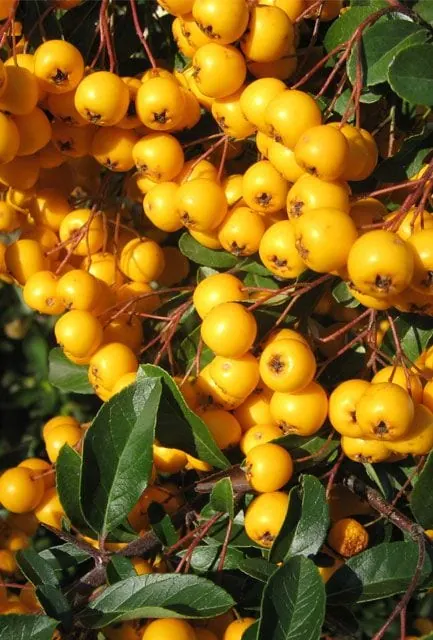
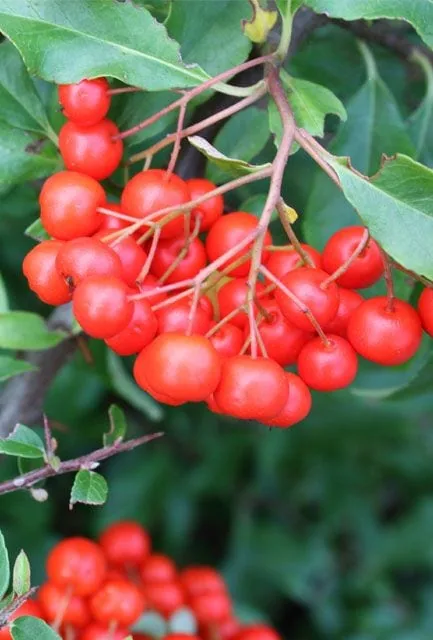
January can feel monochrome in many gardens. Enter Pyracantha. Often overlooked because of its thorny nature. It might not be a joy to prune but when trained against a wall it becomes very manageable and fully deserving of the plant of the month status although perhaps not a usual contender. A versatile evergreen shrub that adds architectural shape, glossy foliage, and vibrant berry colour well into winter. Its dense habit, white blooms in spring, and clusters of fiery berries make it a standout choice. Pyracantha berries glow in orange, red, or yellow hues, creating a dramatic focal point in December through January and are well valued among our local wildlife
Typically spring (white flowers), followed by bright berries in late autumn through winter; ornamental display varies by cultivar. This plant really does give us value for money with several seasons of interest.
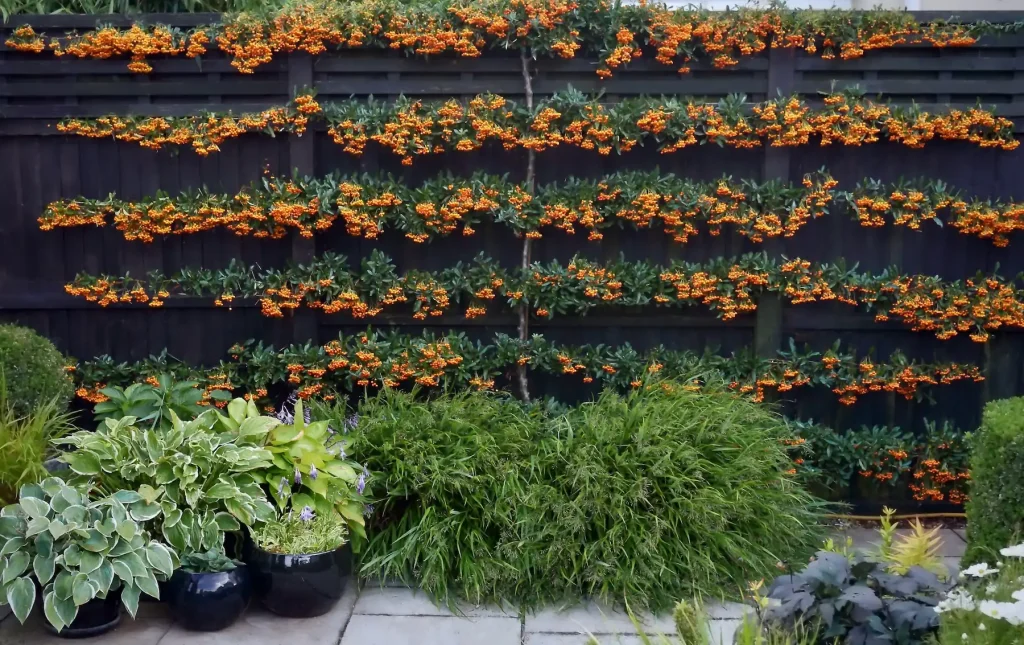
The size varies by cultivar; generally 8–15 ft (2.4–4.5 m) tall and wide for larger selections; some dwarf varieties stay compact (3–6 ft / 0.9–1.8 m). They are a very versatile plant that works as a standalone specimen, hedge, espalier, or trained over walls and pergolas. Although its when trained along walls or fences I think we see the very best of this shrub.
How to grow
They prefer full sun to part shade. More sun yields brighter berries. The soil should be well-drained, moderately fertile soil and ideally neutral to acidic soil conditions but its a very hardy, tolerant and reliable shrub for most of our Kent gardens
Like many plants they need regular moisture during establishment; once established, Pyracantha is reasonably drought-tolerant but benefits from the occasional deep watering in dry spells.
Prune after fruiting if you want to maintain shape and size; avoid heavy pruning in late winter/early spring to protect flower/fruit sets. Remove any dead or crossing branches to maintain air circulation.
If trained on a wall or trellis, ensure sturdy support; older plants may need careful wiring and maintenance.
Pruning will depend on how you intend your plant to look and what space you want it to occupy. I personally like to see them trained against a wall or fence in which case you need to regularly tie in new growth, pruning any outward growth after flowering. In late summer, shorten sideshoots, leaving several leaves at the base.
Freestanding pyracanthas require minimal pruning, limited to removing dead stems or congested growth.
Overgrown specimens can be renovated by removing major branches in mid-spring. Trim hedges after flowering, with a second trim in summer if required.
There are two known issues to watch out for with pyracantha. Pyracantha Scab (fungal) and fireblight (bacterial). The best course of action is to act quickly pruning out any infected sections of the plant, collecting and binning the pruning along with fallen leaves
Design ideas: January display with Pyracantha
- Winter color anchor: Use Pyracantha as a backbone shrub with dense evergreen foliage, then add winter flowering bulbs or early hellebores beneath for layered interest.
- Screens and walls: Train along a sunny wall to showcase fruit against a backdrop of blue sky in winter.
- Wildlife-friendly corner: Pair up with other planting for an attractive wildlife friendly corner. Examples such as Cotoneaster, Honey suckle, roses (for rose hips), Viburnum opulus, Mahonia all make fine examples. Having studied garden design we can help you with plant selection suitable for your spot. Send us a picture to info@gardeners-4alleasons.co.uk and we would be happy to offer you some tips and ideas for your garden. If you are based like us in Kent then we can give you the full gardening service and help you plant and maintain your garden
Spotlight varieties to consider
- Pyracantha coccinea (scarlet firethorn): Classic bright red berries; good for hedges and screens.
- Pyracantha angustifolia (narrow-leaved firethorn): More compact habit; good for small spaces.
- Hybrid cultivars (often labeled ‘Red Cascade’, ‘Orange Glow’, etc.): Selected for larger berry displays and sometimes more extended fruiting.
Fun fact
- The name “Pyracantha” derives from Greek: ‘pyro’ meaning fire and ‘andakhos’ meaning thorn, a nod to its fiery berries and thorny branches.
These lovely images have not come from my own gallery sadly as I only have a few very young Pyracantha plants. The first two images are from Hedges direct where I shall likely be ordering a few for my own plot and the last image is from another blog who has wonderfully detailed how they trained it so beautifully and I strongly recommend checking it out. Especially if i have not yet convinced you to try growing pyracantha in your own garden Pyracantha espalier – Herbidacious
Hopefully this blog has inspired you to plant perhaps something you may not usually have considered
Happy Gardening