
I’ve always loved January. After the festive break, I feel rested, focused, and ready to tackle the year head-on. It’s the perfect moment to set garden goals, map out plans, and begin as we intend to continue—steady, intentional progress from day one. There’s something wonderfully crisp about a month that invites new beginnings and a clear path forward.
Why a to-do list works
I’m a fan of the simple to-do list. It keeps things straightforward: sit down, decide what needs doing, assign a realistic timeframe, and tackle tasks one by one. The moment you tick off an item, there’s a satisfying spark of accomplishment, and by evening you’ve earned a sense of calm, with momentum to spare. Feeling ahead of schedule is itself a small, powerful win.
Although I have left this one a little late with January already underway there’s plenty of time to get the essentials done. If you’re running a touch late, remember: February is a friend, not an foe. We’ve got time on our side before the growing season truly ramps up, so let’s use it wisely.
So here is a few to-do ideas for January 2026
- Seed sort and order:
Now is the perfect moment to declutter those seed boxes, bring order to your seed stash, and map out exactly what you’ll need for the year ahead. Start by pulling everything together: categorize by crop type (vegetables, herbs, flowers), then by season (early, mid, late), and finally by sowing window (indoors, hardening off, outdoors). As you sort, note which varieties you adored last year, which performed meh, and where you’d like to try something new.
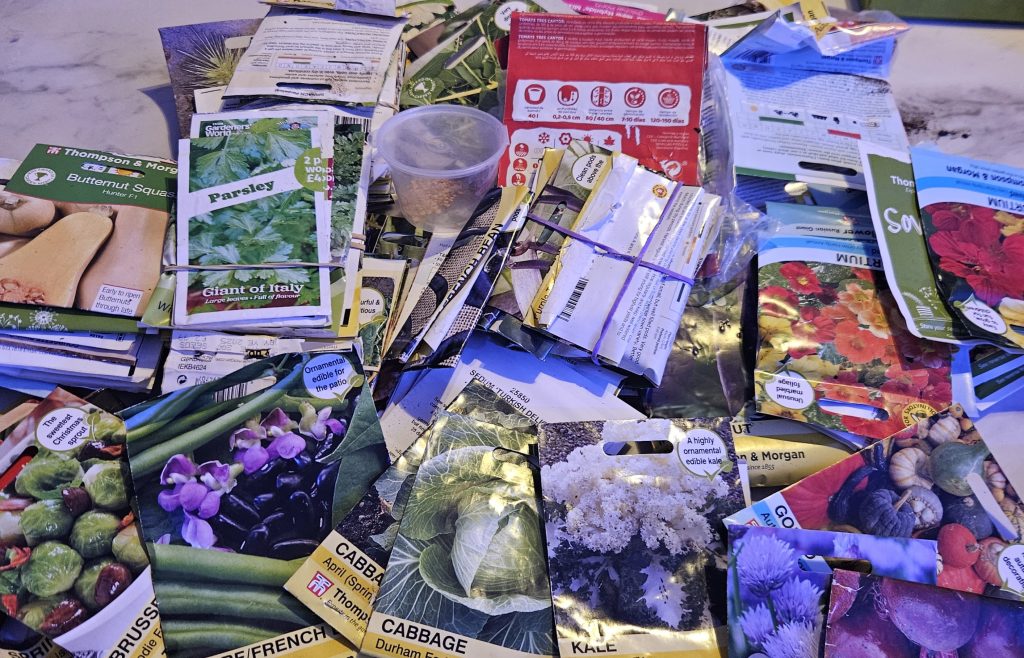
One practical approach is to create a quick inventory:
- What you already have and don’t need to reorder
- What’s running low or completely out
- Desired new varieties to test this year
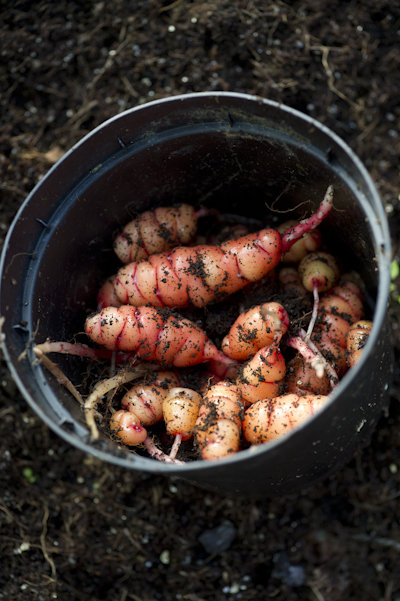
A little nudge of adventurous spirit goes a long way. Consider trying something you’ve never grown before. A new variety can surprise you with flavor, yield, or resilience, and you might just discover a new favorite. For me, after a recommendation I’m adding oca to the list—a tuber that resembles I am told a lemony potato but with some of the common potato-growing challenges reduced. It’s an exciting candidate to trial this season.
I’ve linked a source below that features oca, including growing tips and context to help you decide if it’s right for your garden. Oca (Oxalis tuberosa) at Otter Farm offers practical insights and seasonal ideas.
- Bare root planting:
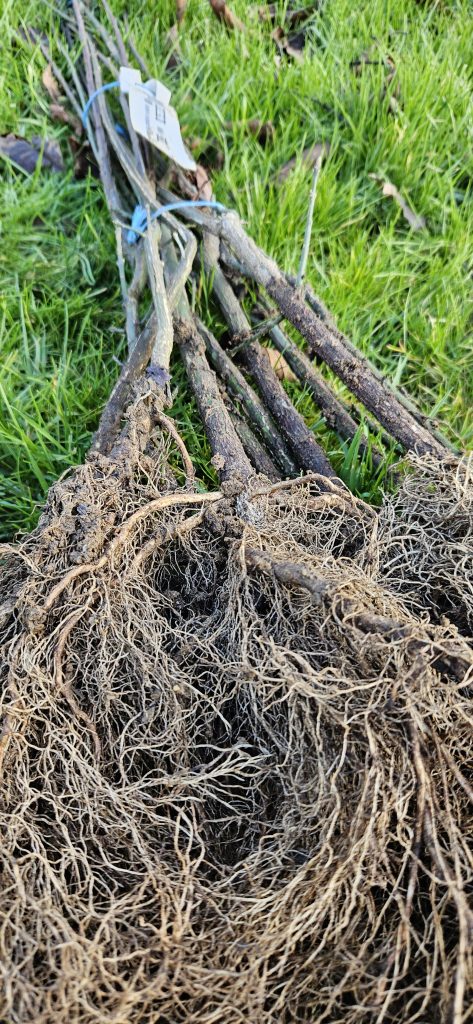
When you’re planting in numbers—whether trees, hedges, or windbreaks—consider choosing bare root stock. The core benefit is clear: substantial cost savings compared with potted plants, which lets you stretch your garden budget further without sacrificing coverage or impact. Bare root plants are typically lighter and easier to transport, and they establish quickly when planted in the right conditions.
Bare root roots wake up and start establishing as soon as the crowns are planted, giving them a head start before active growth in spring. Plan to get roots established well before hot, dry spells arrive in summer. Delaying too long can stress plants as soil moisture declines.
A quick planting checklist:
- Inspect and select: Open each bundle, check root health, and trim any damaged tips with clean shears.
- Prepare the bed: Dig a deep, wide hole or trench to accommodate the root spread; backfill with a mix of native soil and compost if appropriate, ensuring the crown is at or just above soil level.
- Spacing and alignment: Space trees or hedging to mature properly and to allow air circulation. Use markers or strings to keep rows straight.
- Watering plan: Water deeply after planting and establish a regular watering routine for the first growing season, adjusting for rainfall.
- Aftercare: In windy or exposed sites, consider temporary wind protection and monitor for signs of drought stress.
3) Cornus cuttings
Cornus (dogwoods) are among my absolute favourites. They shine beautifully when planted in a mass, especially with a mix of vivid winter stems that bring colour and structure long after the leaves have fallen. A reliable way to multiply these lovely shrubs is by taking hardwood cuttings now. It’s cost-effective, satisfying, and you can expand your display with your own grown plants.
While spring and summer are common for softwood cuttings, hardwood cuttings let you propagate during the dormant season, giving you an early start for the coming year.
Cuttings from healthy, vigorous branches maintain the parent plant’s characteristics, helping you build a cohesive look in your garden.
4) Leaves
I often aim to clear fallen leaves before Christmas, catching them while they’re still dry and easy to bag. But Janurary allows us an opportunity to catch up. Clearing them now helps reduce the risk of slippery, mulch-like buildup that can hide patches and pathways, and it keeps the garden looking neat and tidy. Of course, life happens, and a few leaves are easy to miss. Those forgotten or missed leaves should be tackled soon after the festive rush—before they smother patches of lawn.

- Leaves on paths and steps can become slick and hazardous as temperatures dip and the ground gets wet.
- Leaves that stay on the lawn can block light, trap moisture, and promote fungal issues. A light blanket of leaf litter can also smother the grass if it’s allowed to accumulate.
- Dry, intact leaves are simpler to rake, bag, and compost than soggy, decomposing ones.
- leaves can be composted, ideally shredded with the mower and added grass cuttings or in a separate lead mold bay (absolutely fantastic mulch to later use on the garden)
5) Mulching
If your borders have been tidied, don’t skip the next step: mulching to “put them to bed” for winter. A fresh layer of mulch does more than just look neat. It helps insulate roots, suppresses late-season weed germination, and reduces soil crusting on chilly, wet days. By applying mulch now, you set your borders up for a pristine spring and give your plants a solid head start when growth resumes.
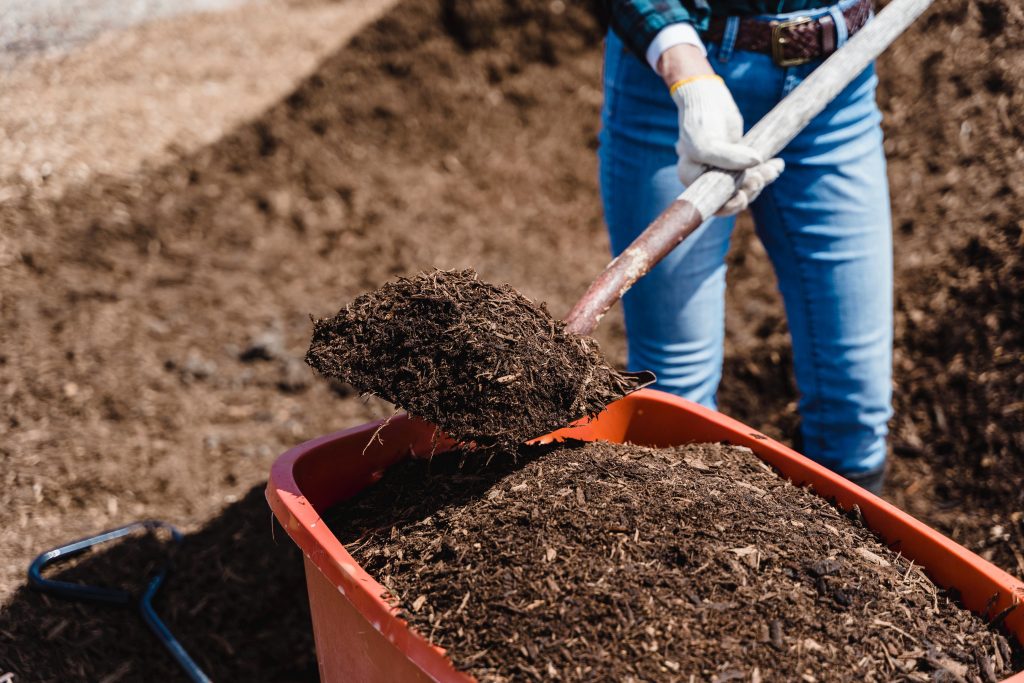
A protective layer helps moderate soil temperatures and keeps moisture steady during cold spells.
A thick, even mulch blanket reduces the chance of weed seeds taking root.
Organic mulches break down slowly, enriching the soil and supporting beneficial organisms without compacting the bed.
Shredded bark, composted garden debris, last years lead mold or well-rotted manure are great options. Aim for a mulch depth of 5–8 cm (2–3 inches) for established borders; lighter applications work for new plantings.
After tidying, level the border edge so the mulch doesn’t spill onto paths or into plant crowns.
Don’t smother crowns: Keep mulch a thumb’s-width away from the base of shrubs and perennials to prevent rot
7) wisteria pruning
Wisteria is one of those plants that can be a stunning centerpiece in the garden when guided with a light hand. When kept on a training plan, a wisteria can bloom spectacularly and maintain elegant structure. Left to its own devices, it can become a tangle of shoots and confusion, crowding out other plants and making maintenance a chore. The difference between a graceful, flowering specimen and an overgrown mass often comes down to timely pruning and consistent training
See my post for some further insight into pruning wisteria
Wisteria Pruning: A Deep Dive into Taming the Beauty

8) Apple tree pruning
Winter is prime pruning season. While the garden rests in its cold, dormant phase, many plants can be carefully shaped and refreshed—including our apple trees. Apple trees are often neglected and can become congested if left unchecked. By keeping an open, well-ventilated framework, you’ll set the stage for healthier growth and better fruit production come spring.
Pruning isn’t just for mature trees
- Formative pruning for young trees: It’s just as important to guide the development of young apples as it is to prune established specimens. Early training helps establish a strong framework, good branching angles, and a balanced canopy that’s easier to maintain for years to come.
- Renovation over time: If you’re dealing with an older, overgrown tree, renovation pruning should be done gradually over several seasons. This reduces stress, preserves some fruiting wood, and minimizes the risk of shocking the tree.
8) Tool sharpen and checklist
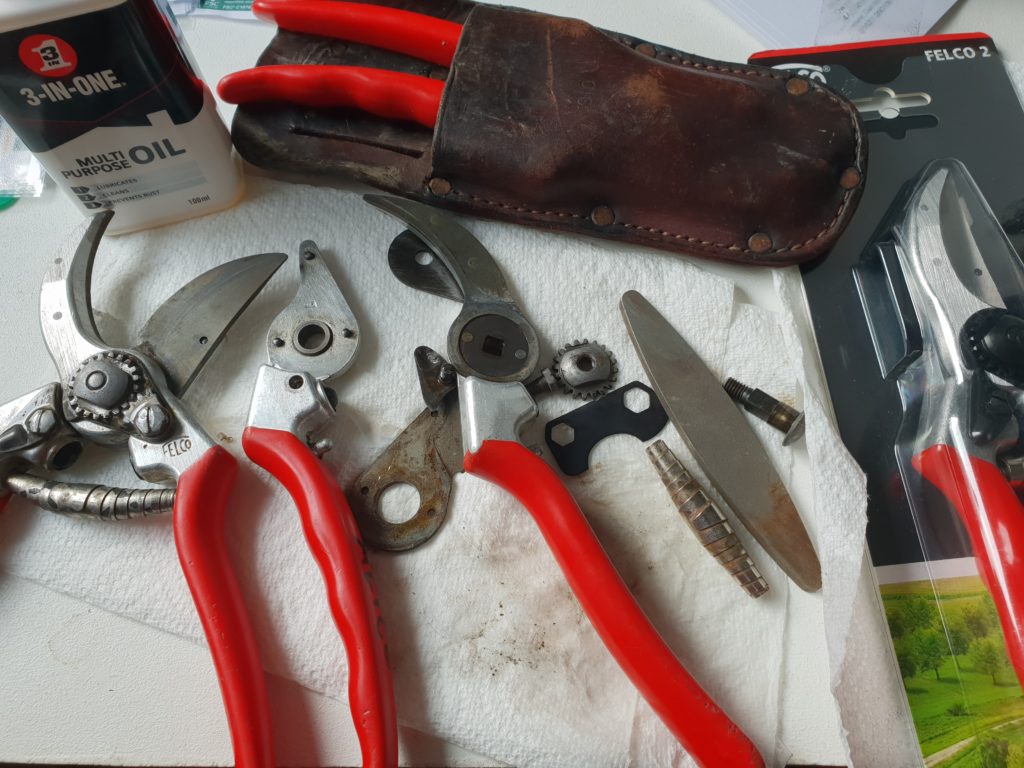
Time to get your tools shipshape and stored properly for the year ahead. A little maintenance now saves you time later and helps your equipment perform at its best when you need it most.
What to tackle
- Fuel systems: Don’t leave mower or power tool fuel sitting in the tank over winter. Old fuel can gum up carburetors and cause starting problems in spring. If you can, run the engine until the tank is empty, then drain or stabilize any remaining fuel per manufacturer guidance.
- Blades and bits: Sharpen mower blades, pruners, shears, hoes, and edgers. Sharp blades cut cleaner, reduce effort, and minimize plant damage.
- Cleaning: Remove dirt, sap, and rust. A wire brush and a mild degreaser work well on metal parts; wipe down plastics and handles. Dry thoroughly to prevent rust.
- Lubrication: Lightly oil or lubricant moving parts, hinges, and the blade spindle. Wipe away excess oil to avoid attracting dust.
- Storage and protection: Clean and dry tools before storing. Tie handles together or hang them neatly. If you store in a shed, a small layer of lubricant on blades can help prevent rust, and consider a silica gel sachet or dry environment to reduce moisture.
9) Reshape and edge borders
Winter offers a quiet window for a touch of garden design before the growing season kicks in. A subtle border reshape can dramatically improve the flow and feel of your space. When the ground is soft (provided it isn’t frozen), you can lift turf and loosen soil with relative ease, making adjustments more comfortable and precise.
Use a hose to lay out the new border lines and get a tangible sense of scale and flow first. Move or remove a thin strip of turf as needed, and revise bed edges to create crisp, defined lines. Start with small changes and expand if needed. If you’re establishing fresh borders, you can dig and prepare the bed now so it’s ready to plant in spring.

10) Set your targets
As we walk into a new gardening year, taking a moment to define what you want to achieve helps turn good intentions into real results. Start with a thoughtful mix of aims, a practical budget, and a doable timeline. The key is to set targets that are specific, measurable, achievable, relevant, and time-bound (SMART) so you can track progress and stay motivated.

All of that might seem daunting, especially the pruning, but remember: we’re here to help. I offer completely free email advice, so drop me a line at info@gardeners-4allseasons.co.uk with a few photos and a brief description, and I’ll be happy to assist.
If you’re looking for a different kind of help, we also provide garden maintenance services across Kent, including Chatham, Maidstone, Sittingbourne, and Gravesend. Whether you need professional pruning, regular grass cutting, or general gardening services, we can tackle your tasks with care and expertise.
I’m about halfway through my January to-do list, so I’m turning to garden planning for 2026. Here’s to a productive year of thriving plants and a thriving garden.
Happy gardening!