
February sits at the heart of winter gardening—cold, often damp days with glimpses of spring on the horizon. It’s a crucial month for finishing some pruning tasks, tidying borders, and setting the stage for healthy growth in the months ahead. Here’s a practical guide to the last chance prune list for roses, grapevines, group 3 clematis, apples, and wisteria, plus a comprehensive roundup of other February gardening jobs to keep your garden thriving.
Much of what is being discussed here may overlap with previously discussed January jobs but pretty soon we will escape the winter cold and wet and enter a brighter more hopeful period of growing which will mean much of our time being taken up with grass cutting and weeding. So best to ensure we are all caught up now before the build up of gardening jobs becomes a chore rather than a pleasure
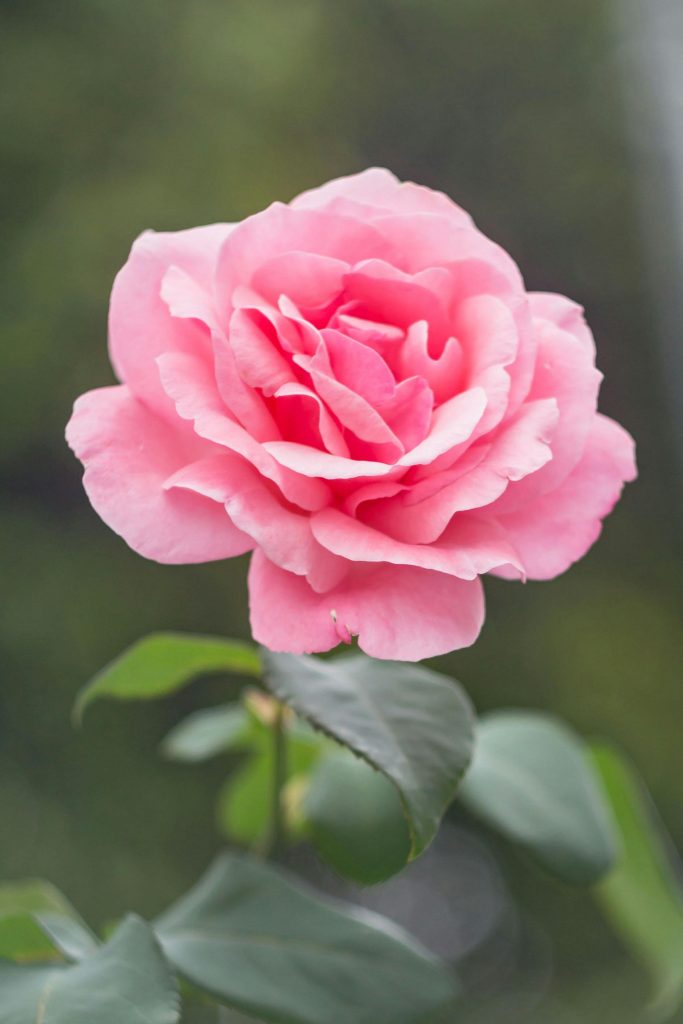
Roses
Best pruned in late winter, just before buds begin to swell in early spring.
Hybrid teas and floribundas: Remove dead, diseased, and weak wood. Cut back remaining canes to just above a strong outward-facing bud at a 45-degree angle. Aim for an open centre to improve air flow.
Shrub roses: Light shaping is fine; avoid heavy pruning as they wake early. Remove only deadwood, crossing branches, and older canes at the base to encourage new shoots.
Climbers: For most climbers, prune to suppress vigorous, long canes that shade the centre. Focus on producing a framework of strong canes with outward-facing buds.
Tips: Sterilize pruning cuts with a clean blade between plants to reduce disease spread. Remove pencil-thin, dead, or cane-like growth first, then balance the plant’s shape.
Grapevines
Like roses they are best pruned late winter to stop sap rising after the worst cold snaps but before bud swell.
Prune grapevines to establish a balanced framework for fruiting.
- For spur-pruned varieties: Keep 2–3 buds per spur on each productive cane, depending on training system (single Guyot, double Guyot, etc.).
- For cane pruned grapes: Select 1–2 strong canes per plant for renewal, shortening to 6–12 buds depending on vigor.
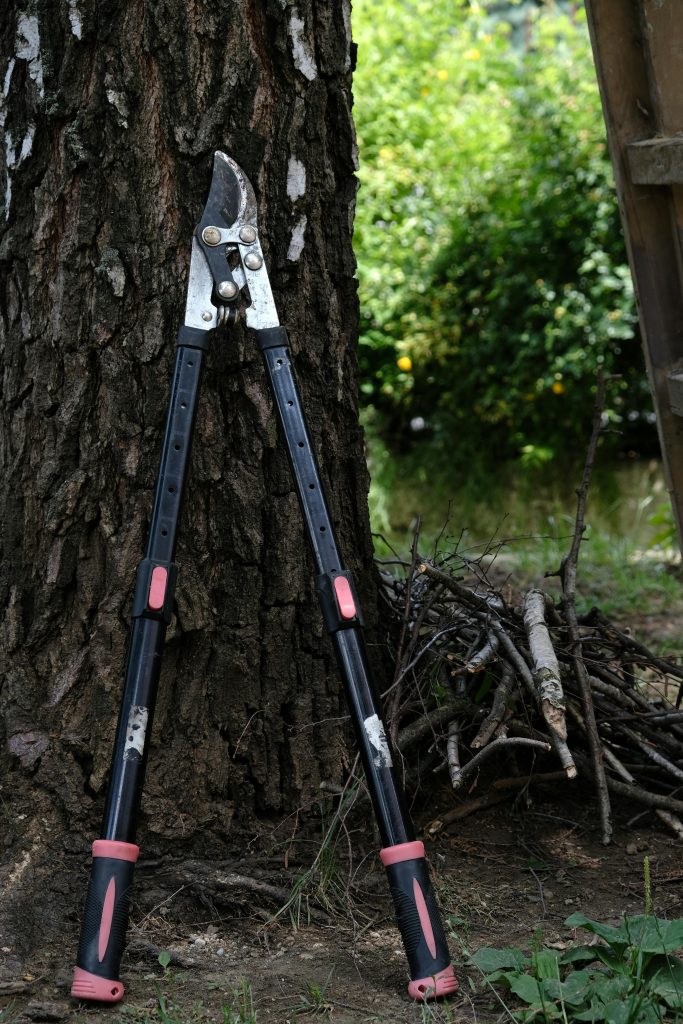
Tips: Use clean, sharp loppers; avoid leaving ragged cuts. Label the training system to guide future pruning.
Group 3 clematis
Firstly when dealing with clematis it is best to know what pruning group we are dealing with as they are all treated very differently. If you prune group 1 now you will lose most of the flowers. If unsure drop us an email and we will be happy to guide you
Clematis group 3 are remontant and flower on new growth; prune to shape and stimulate vigorous flowering.
Prune back to about 30–60 cm (12–24 inches) from the ground, cutting just above a healthy bud.
Apples
It is getting a little late now for apple tree pruning but if you havnt done it yet then get in in now before sap rises.
Prune to improve structure, air circulation, and fruit quality.
Remove suckers from the base, water sprouts, and any crossing or inward-growing branches.
Shorten long extensions to maintain a well-spaced, open canopy.
Sterilize cuts to prevent disease spread. Aim for a balanced scaffold with three to five main limbs depending on the size of the tree.
Wisteria
Another reminder not to forget your wisteria as we are right at the end of the pruning window while it is still dormant. Prune back side shoots to 2–4 buds, keeping a strong framework of main stems.
Seed sowing and propagation
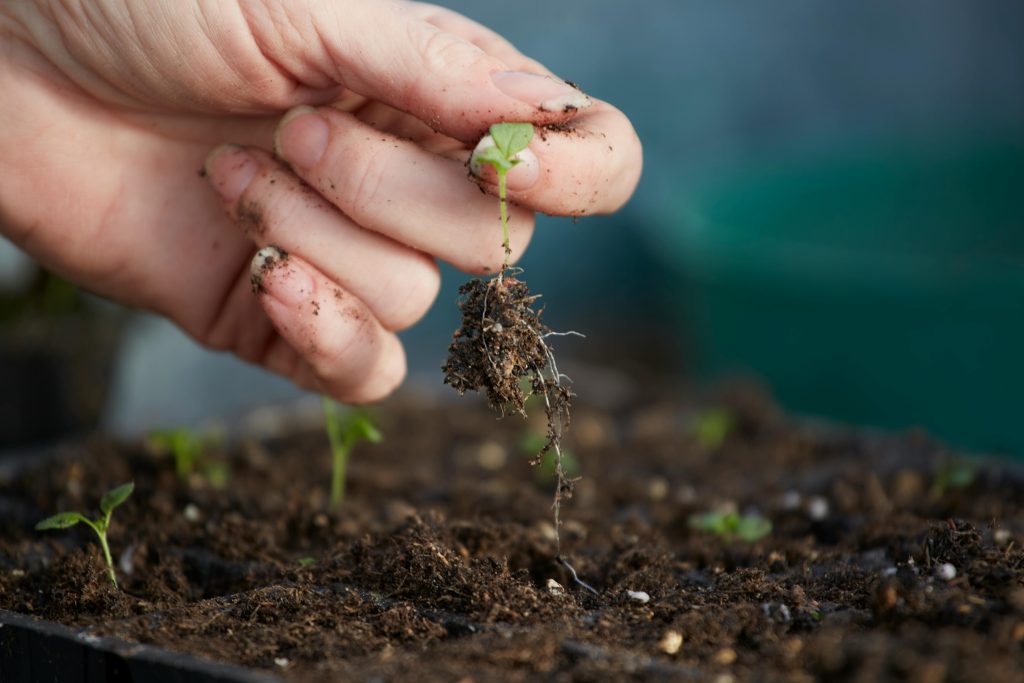
Many seed scan be sown now, Make a list and plan what you want to grow and when it needs to be sown.
chilies, peppers, aubergines and cucumbers need heat so should be sown indoors. We can also sow sweet peas, chard, nasturtium, leeks, cabbage parsley, and many, many others can also be sown either directly outside or an unheated greenhouse
Ornamental grasses
Ornamental grasses can be cut back before new growth emerges.Cut back old seed heads and dead foliage to 6–8 inches (15–20 cm) above soil level to promote fresh growth and tidier borders.
Tips: Wear eye protection and gloves; grasses can be sharp at base.
Divide snowdrops and other spring bulbs
February is a good window for dividing clumps of snowdrops after flowering or when foliage fades.
Gently lift clumps, separate bulblets, replant with the crown just above soil level, and water in.
Helps bulbs establish better, increases flowering next season.
Pruning shrubs
Many other shrubs can also be pruned now including mahonia, winter jasmine, and heathers
- Mahonia: Remove old wood to encourage new growth and more flowers; prune after flowering if needed to maintain shape.
- Winter jasmine: Light pruning after flowering to maintain shape and encourage future flowering.
- Heather: Prune after flowering to maintain compact, bushy habit and encourage next season’s growth.
- Buddleia (butterfly bush): Remove about 2/3 of the old wood to promote vigorous new flowering shoots.
- Sambucus: Cut back overgrown or tall stems to encourage new, bushier growth and air circulation around the centre.
Vine climbers and nesting considerations
Vines and climbers to cut back before birds start nesting
Early spring before nesting begins, but check local bird activity.
Cut back strong growth on climbers that bind or overtake structures, while preserving some structure for birds that may nest later.
Pond maintenance
Clear ponds: Remove fallen leaves and debris, consider a net to reduce leaf fall next season.
Check equipment such as pumps and filters: Inspect for blockages, clean pre-filter baskets, and ensure water is circulating properly.
Aeration: If you have air stones or waterfalls, verify they’re functioning to maintain oxygen levels.
UV clarifier (if installed): Check lamp life and clean sleeves if needed; replace bulbs as recommended by the manufacturer.
Mulching
Apply a layer of mulch (organic mulch like leaf mold, compost, or bark) to help soil moisture, suppress weeds, and stabilize soil temperature. Aim for 5–7 cm (2–3 inches) around perennials and shrubs, keeping mulch a couple of centimeters away from the base of stems to prevent rot.
General February tips
- Garden planning: Use this window to map out seating areas, borders, and new plantings for spring and summer.
- Weather-aware tasks: If ground is frozen or waterlogged, focus on pruning and indoor tasks; when soil dries, shift to digging and planting.
- Garden tools: Clean and sharpen pruning shears, secateurs, and saws; disinfect between plants to prevent disease spread.
- Protect tender plants: If a late cold snap returns, consider temporary shelter for newly planted or vulnerable specimens.
February is a month of finishing touches and careful preparation. By carrying out these pruning tasks and seasonal maintenance, you’ll set the stage for healthy growth, robust blooms, and a productive garden year ahead.