
Gardening in the UK After the First Frost: What to Do to Protect Your Garden This Winter
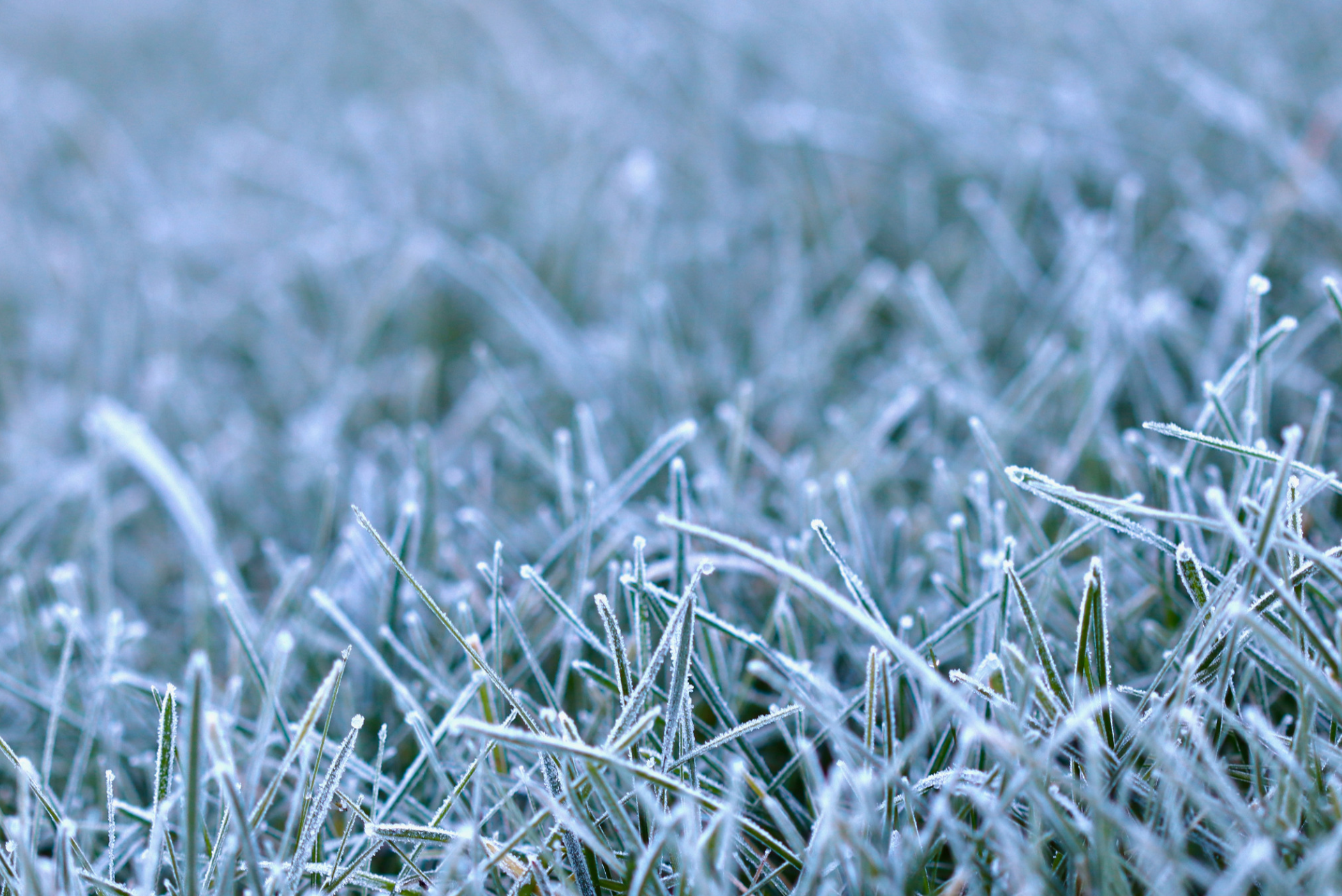
The first frost of the year is a familiar milestone for gardeners across the UK. One morning, you step outside to find the lawn sparkling with ice, leaves glistening with frost, and the garden looking as though it has been dusted with icing sugar. While it can be a beautiful sight, the first frost is also a reminder that winter is on its way. But don’t put your gardening gloves away just yet! There is still plenty to do in the garden after the first frost. From protecting vulnerable plants to preparing your soil for spring, a little attention now can make a big difference when the growing season returns.
Here’s how to look after your UK garden after the first frost.
Protect Tender Plants from Further Frosts
Not every plant can cope with freezing temperatures. While many established UK garden plants are perfectly happy through winter, tender varieties may need a little extra protection.
Plants particularly vulnerable to frost include:
- Dahlias – Once frost has blackened their foliage, cut back the stems, carefully lift the tubers and remove excess soil. Allow them to dry before storing them in a cool, frost-free place in trays of dry compost, sand or vermiculite
- Begonias – Allow foliage to die back naturally, then clean and dry the tubers before storing in a cool, dry, frost-free location
- Fuchsias, particularly tender varieties – Trim back this year’s growth to create a framework of stems about 7.5-15cm and move to a frost-free place
- Cannas – Lift the rhizomes after the first frost, store them in a frost-free place and cut back the foliage
- Pelargoniums – Bring them indoors before the first frost, or take cuttings to overwinter indoors in a frost-free location
- Citrus plants and other tender container-grown plants – Move inside to a frost-free warm location
- Young seedlings and newly planted specimens – Move inside to a frost-free warm location
If you have tender plants growing in pots, move them into a greenhouse, conservatory, shed or sheltered porch where possible. For plants that must remain outdoors, use horticultural fleece to provide insulation. You can also wrap pots in bubble wrap or hessian to protect their roots from freezing temperatures.
Top tip: Keep fleece and other protective materials handy. UK weather can be unpredictable, and a mild afternoon can quickly turn into a frosty night.
Mulch Your Borders and Protect the Soil
One of the most useful jobs you can do after the first frost is to mulch your garden beds. Mulching helps insulate plant roots, retain moisture, suppress weeds and improve soil structure over time.
Good mulching materials include:
- Well-rotted garden compost.
- Leaf mould.
- Well-rotted manure.
- Bark chippings for suitable ornamental beds.
Spread a layer of organic mulch around established shrubs, perennials and trees. Aim for approximately 5–7cm, keeping the material away from plant stems and the crowns of plants to prevent rotting. Autumn and early winter are excellent times to improve your soil, particularly if you have heavy clay or sandy ground.
Don't Be Too Quick to Cut Everything Back
It can be tempting to tidy the garden completely after the first frost, but leaving some plants standing can be beneficial.
Many perennials have attractive seed heads and dried stems that provide winter interest. They can also offer shelter and food for wildlife.
For example:
- Sedums provide attractive winter structure.
- Echinacea seed heads offer food for birds.
- Rudbeckia adds texture to winter borders.
- Ornamental grasses create movement and interest.
- Sunflower heads can provide food for garden birds.
Leaving some stems standing also provides overwintering habitats for beneficial insects. Remove diseased foliage and any material that is likely to harbour serious pests or fungal problems, but don’t feel you need to make every border spotless. A slightly untidy garden can be a much healthier garden for wildlife!
Look After Your Lawn
Your lawn may not need much attention after the first frost, but there are a few things worth remembering. Avoid walking on frozen grass wherever possible. When grass blades are frozen, they become brittle and can be damaged underfoot, leaving unsightly marks or patches. If your lawn still needs a final cut, do it on a dry, frost-free day. Raise the mower blades and avoid cutting the grass too short.
It’s also worth:
- Removing fallen leaves to prevent them smothering the grass.
- Clearing away garden debris.
- Cleaning and storing lawn equipment.
- Checking for waterlogged areas and improving drainage where practical.
Once the weather becomes consistently cold, it’s generally best to leave the lawn alone until spring.
Plant for Spring Colour
One of the loveliest things about gardening after the first frost is knowing that you can still plant for a colourful spring. If the ground isn’t frozen or waterlogged, there is often time to plant hardy spring-flowering bulbs.
Some favourites include:
- Snowdrops: Delicate white flowers that often appear from late winter.
- Crocuses: Cheerful splashes of purple, yellow and white.
- Daffodils: A classic sign that spring has arrived.
- Tulips: Wonderful for adding colour to borders and containers.
- Alliums: Excellent for creating architectural interest in late spring and early summer.
You can also plant bare-root roses, hedging and many deciduous trees and shrubs during the dormant season, provided the ground is workable. Planting now gives roots time to establish before the warmer weather encourages new growth.
Make a Home for Garden Wildlife
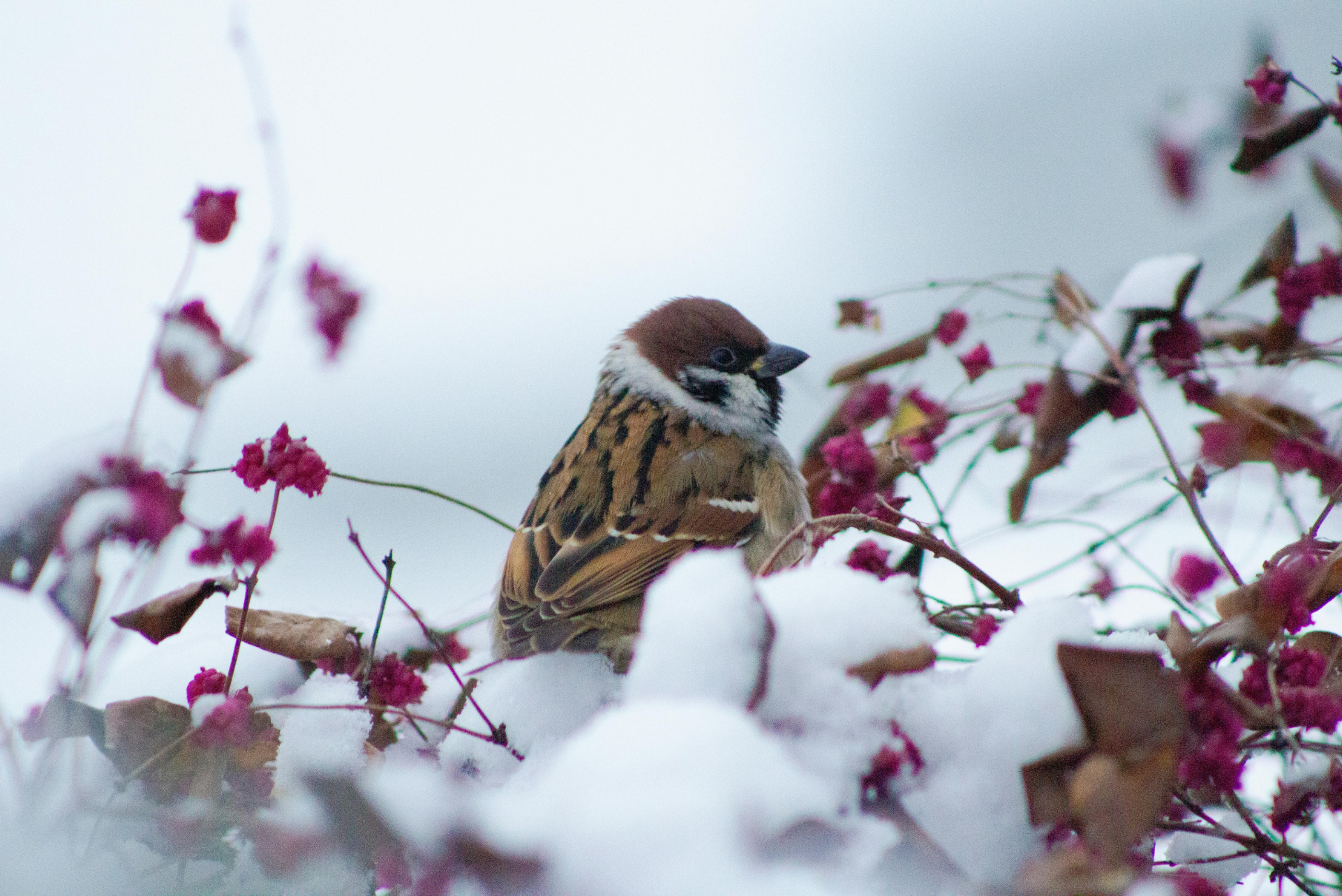
Winter can be a difficult time for wildlife, particularly when natural food sources become scarce. Your garden can provide an important refuge for birds, insects, frogs and other small creatures.
A few simple steps can make a real difference:
- Leave some seed heads for birds.
- Put out fresh water and check it regularly.
- Provide suitable bird food, such as sunflower hearts and fat balls.
- Leave a small area of fallen leaves for insects and other invertebrates.
- Create a log pile in a quiet corner for insects and amphibians.
- Avoid disturbing compost heaps and other potential winter shelters.
If you have a pond, check that it isn’t completely covered by ice for extended periods. Avoid smashing ice, as the shockwaves can harm aquatic wildlife.
A wildlife-friendly garden doesn’t have to look perfectly manicured. Sometimes the most valuable thing you can do is simply leave nature a little space.
Clean, Check and Maintain Your Gardening Tools
The quieter winter gardening period is an ideal opportunity to give your tools some attention.
Clean soil from spades, forks, trowels and hoes. Sharpen secateurs and loppers, and apply a light coating of protective oil to metal surfaces to help prevent rust. It’s also worth checking:
- Garden hoses and outdoor taps for frost damage.
- Greenhouse glazing and doors.
- Water butts and irrigation equipment.
- Plant supports and trellises.
- Shed roofs and gutters.
Disconnect and drain hoses before freezing weather arrives, and insulate vulnerable outdoor taps. A little maintenance now means less time fixing equipment when spring gardening gets underway.
Enjoy the Beauty of the Winter Garden
Perhaps the most important piece of advice after the first frost is to remember to enjoy your garden. Winter gardening isn’t always about planting, pruning and tidying. It’s also about appreciating the changing seasons. Frost-covered seed heads, evergreen shrubs, colourful winter stems and berries can create a surprisingly beautiful outdoor space.
Plants such as hellebores, winter-flowering heathers, mahonia and winter jasmine can bring colour and interest when much of the garden is dormant.
Take a little time to walk around your garden, notice what’s working and think about what you might like to change next year. Sometimes the best gardening ideas come when you’re simply enjoying the space.
Final Thoughts
Your garden might be settling down for winter, but there’s already plenty to look forward to in spring!