
The Hidden Benefits of Regular Garden Maintenance: Why Consistency Matters
For many homeowners, garden maintenance is one of those jobs that’s easy to put off. Between work, family commitments, and unpredictable British weather, weeding borders, pruning shrubs, and keeping on top of the lawn can quickly slip down the priority list.
However, regular garden maintenance is about far more than simply keeping your garden looking tidy. Consistent care can improve plant health, reduce costly problems, support local wildlife, and help you get far more enjoyment from your outdoor space.
Whether you have a large family garden, a small courtyard, or a few containers on the patio, a little ongoing attention can make a remarkable difference.
Healthier Plants and Better Growth
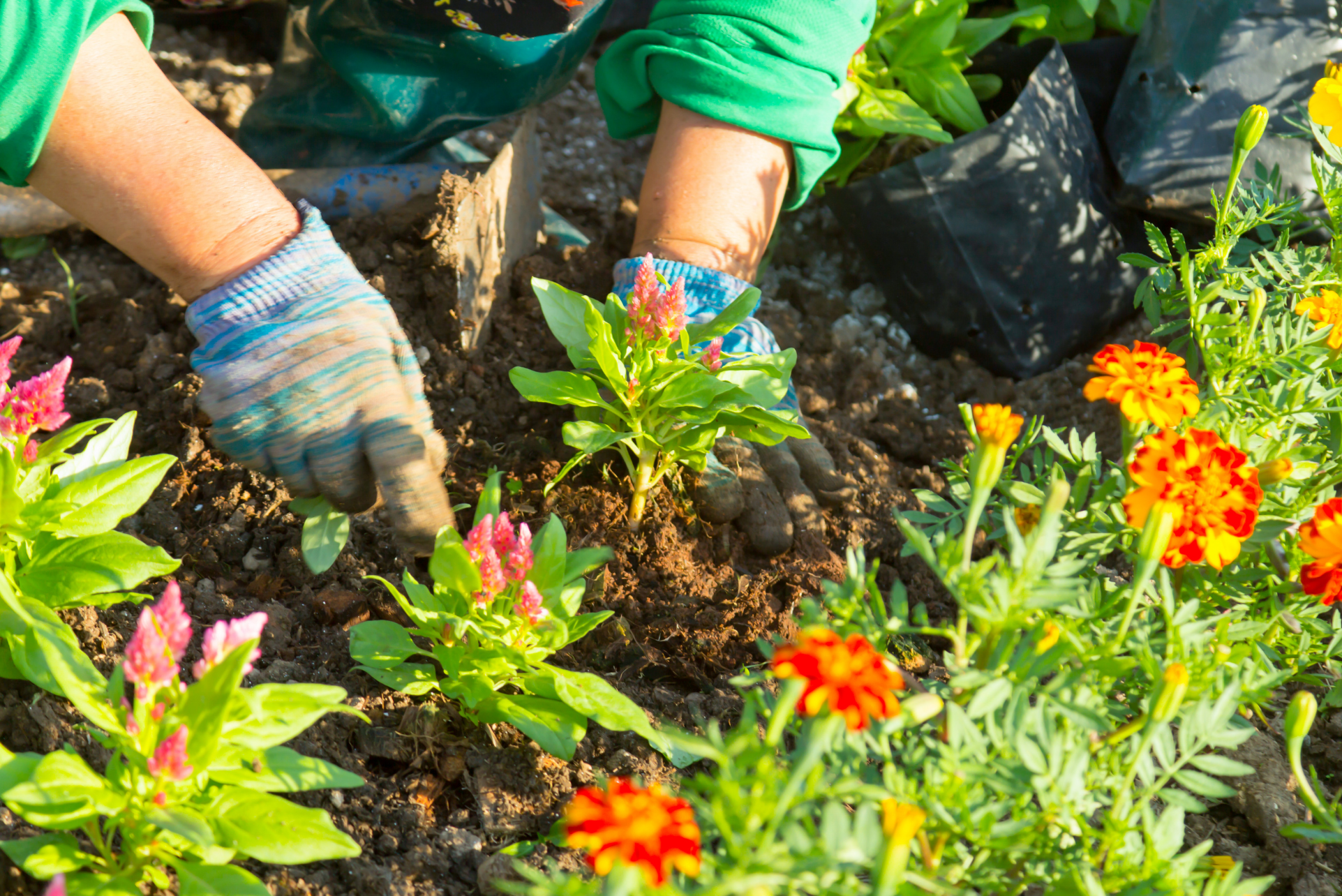
One of the most obvious benefits of regular maintenance is healthier, more vigorous plants.
Routine gardening tasks help ensure that plants can focus their energy on producing new growth, flowers, and healthy root systems rather than struggling against avoidable problems.
Regular maintenance includes:
- Pruning dead, damaged, or diseased growth
- Deadheading spent flowers to encourage repeat blooming
- Removing weeds that compete for water and nutrients
- Monitoring soil moisture and watering appropriately
- Feeding plants when needed
By staying on top of these simple tasks, you’ll often be rewarded with stronger plants, longer flowering periods, and improved overall garden performance.
Preventing Small Problems from Becoming Big Ones
One of the most overlooked benefits of regular garden maintenance is the ability to spot issues early.
A problem that takes five minutes to solve today can become a much larger and more expensive issue if left unattended for weeks.
Small Problem Today
Potential Problem Later
|
A few aphids on a rose bush |
A widespread infestation affecting multiple plants |
|
A young weed in a border |
Hundreds of seedlings spreading throughout the garden |
|
Early signs of mildew |
Significant disease affecting plant health |
|
A loose fence panel |
Damage during the next period of strong winds |
|
An overgrown shrub |
Costly corrective pruning or replacement |
Simply walking around your garden regularly allows you to identify and address issues before they become major headaches.
Saving Money in the Long Run
Many people view garden maintenance as an expense, but in reality, regular care often saves money.
Preventative maintenance helps avoid costly repairs and replacements by keeping plants, lawns, and garden structures in good condition.
Examples include:
- Preventing pest and disease outbreaks before treatment becomes expensive
- Reducing the need for weedkillers through regular weeding
- Extending the lifespan of shrubs, hedges, and trees through correct pruning
- Avoiding costly fence or pathway repairs caused by overgrown vegetation
- Maintaining tools properly so they last longer
Investing a little time in your garden each week can prevent much larger expenses later on.
Improving Your Physical and Mental Wellbeing
Gardening is often praised for its positive impact on both physical and mental health.
Spending time outdoors, being active, and connecting with nature can all contribute to improved wellbeing.
Benefits may include:
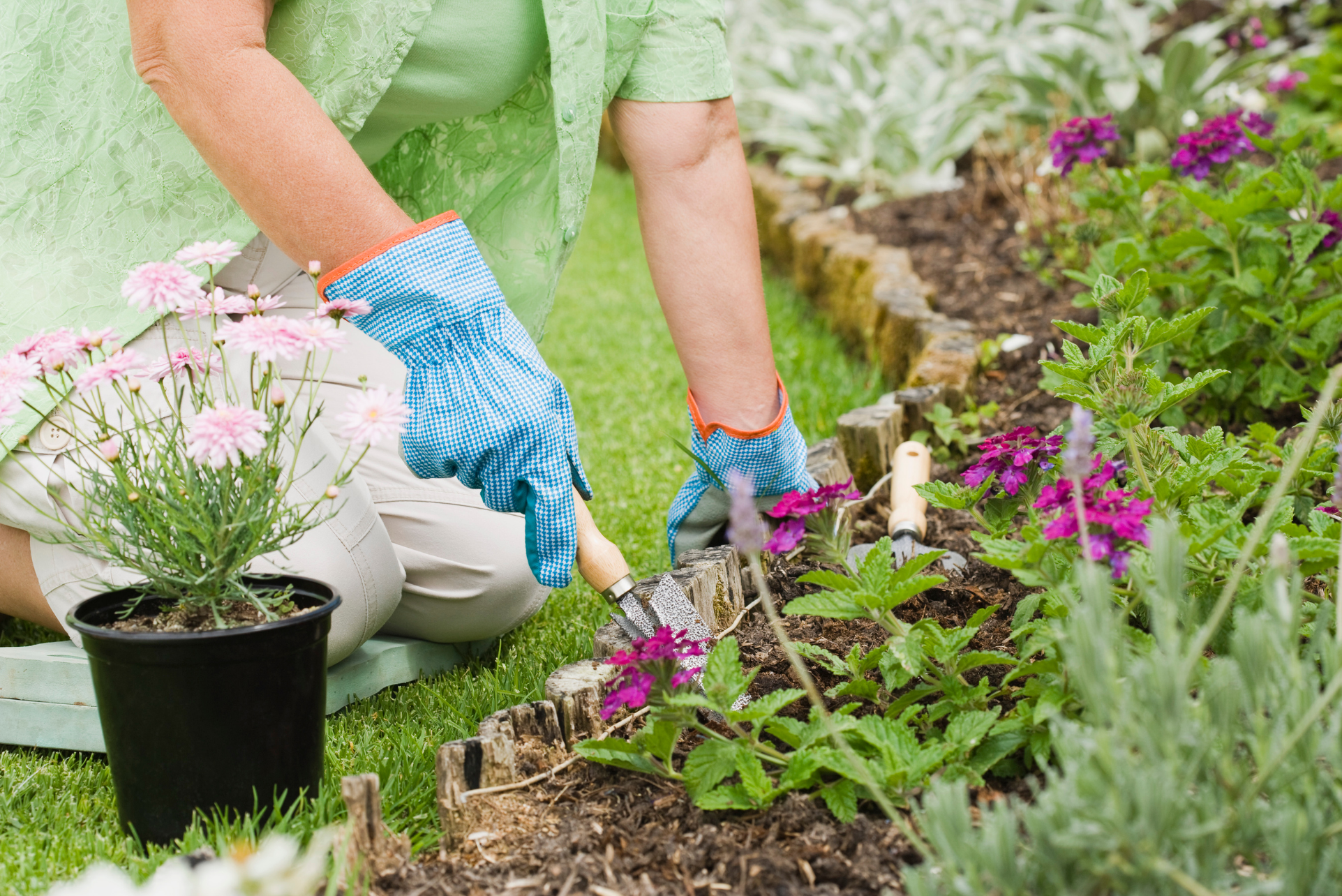
- Light physical exercise through digging, planting, mowing, and pruning
- Increased time spent outdoors in fresh air
- Reduced stress levels
- A sense of achievement from seeing your garden thrive
- Opportunities to disconnect from screens and daily pressures
Many gardeners find that even a short period spent tending to their garden can be both relaxing and rewarding.
Enhancing Kerb Appeal and Property Value
First impressions matter, and your garden is often one of the first things visitors or potential buyers notice.
A tidy, well-maintained garden can make a property appear more attractive, cared for, and welcoming.
Features that contribute positively include:
- Neat lawns
- Weed-free borders
- Well-maintained hedges and shrubs
- Clean patios and pathways
- Healthy planting schemes
Even if you’re not planning to move, maintaining an attractive garden can significantly improve your enjoyment of your home.
Supporting Wildlife and Biodiversity
Regular garden maintenance doesn’t mean creating a perfectly manicured space with no room for nature. In fact, a well-managed garden can provide an excellent habitat for wildlife.
Thoughtful maintenance can include:
- Creating wildlife-friendly areas
- Maintaining bird baths and water sources
- Planting pollinator-friendly flowers
- Managing invasive species
- Leaving selected seed heads for birds during winter
A balanced approach helps create a garden that looks attractive while supporting bees, butterflies, birds, and other beneficial wildlife.
Making Your Garden More Enjoyable
A neglected garden can quickly become overwhelming.
When weeds take over, lawns become overgrown, and shrubs start encroaching on paths, many people begin avoiding their outdoor space altogether.
Regular maintenance helps ensure your garden remains somewhere you genuinely want to spend time.
Whether that’s:
- Enjoying a morning coffee on the patio
- Hosting friends and family
- Letting children play safely
- Relaxing after work
- Growing your own fruit and vegetables
A cared-for garden is far more inviting and enjoyable throughout the year.
Protecting Your Home and Garden Structures
Garden maintenance isn’t just about plants.
Trees, shrubs, and climbing plants can all cause damage if left unmanaged.
Regular inspections can help prevent:
- Overhanging branches damaging roofs or fences
- Gutters becoming blocked by leaves
- Vegetation obstructing pathways and access routes
- Roots causing damage to paving and hard landscaping
- Dense growth creating security concerns around windows and entrances
Addressing these issues early is usually far easier and cheaper than dealing with repairs later.
A Simple Garden Maintenance Routine
The good news is that maintaining a healthy garden doesn’t require hours of work every day.
Weekly Tasks (15–30 Minutes)
- Walk around the garden and inspect plants
- Remove any visible weeds
- Deadhead flowering plants where appropriate
- Check containers and hanging baskets for watering needs
- Mow the lawn if required
Monthly Tasks
- Prune overgrown shrubs where appropriate
- Inspect for pests and diseases
- Check fences, gates, and garden structures
- Top up mulch where needed
- Maintain and clean garden tools
Seasonal Tasks
Spring
- Prepare borders and beds
- Feed plants and lawns
- Plant new additions
Summer
- Monitor watering requirements
- Deadhead regularly
- Keep weeds under control
Autumn
- Clear fallen leaves
- Plant spring-flowering bulbs
- Prepare the garden for winter
Winter
- Carry out dormant pruning
- Protect vulnerable plants
- Plan improvements for the coming year
Need Help Keeping on Top of Your Garden?
At 4AllSeasons Gardeners, we understand that finding the time to maintain your garden isn’t always easy.
A small amount of regular maintenance really does go a long way. Even just half an hour a week spent caring for your garden can help prevent weeds, overgrown shrubs, lawn problems, and other issues from getting out of hand. Often, that modest investment of time is enough to avoid the need for a much larger—and more expensive—garden overhaul further down the line.
Whether you need advice on caring for your garden, help tackling an overgrown space, or regular maintenance throughout the year, we’re always happy to help.
Feel free to contact us by email for friendly advice and guidance. If you’d prefer to leave the hard work to the professionals, our experienced team can provide everything from regular garden maintenance and hedge trimming to lawn care and seasonal tidy-ups.
No matter the size of your garden, we’re here to help you keep it looking its best.
Final Thoughts
Garden maintenance isn’t about creating perfection. It’s about giving your outdoor space the regular care it needs to remain healthy, attractive, and enjoyable.
A little attention each week can prevent problems, reduce long-term costs, support local wildlife, and create a garden that you can be proud of all year round.
Consistency really is the key. Small, regular jobs are almost always easier—and far more effective—than waiting until the garden feels overwhelming.
Your garden works hard for you throughout the year. A little regular maintenance is the best way to return the favour.