
Autumn Lawn Care: Feeding, Scarifying and Preparing for Winter
Autumn is one of the most important times of year for lawn care. As temperatures begin to fall, rainfall increases and daylight hours become shorter, your lawn faces a different set of challenges to the summer we have just faced. However, with the right preparation, autumn is also an excellent opportunity to strengthen your grass and prepare it for a healthier spring.
From mowing and aerating to clearing fallen leaves and repairing bare patches, a little work now can make a big difference when warmer weather returns.
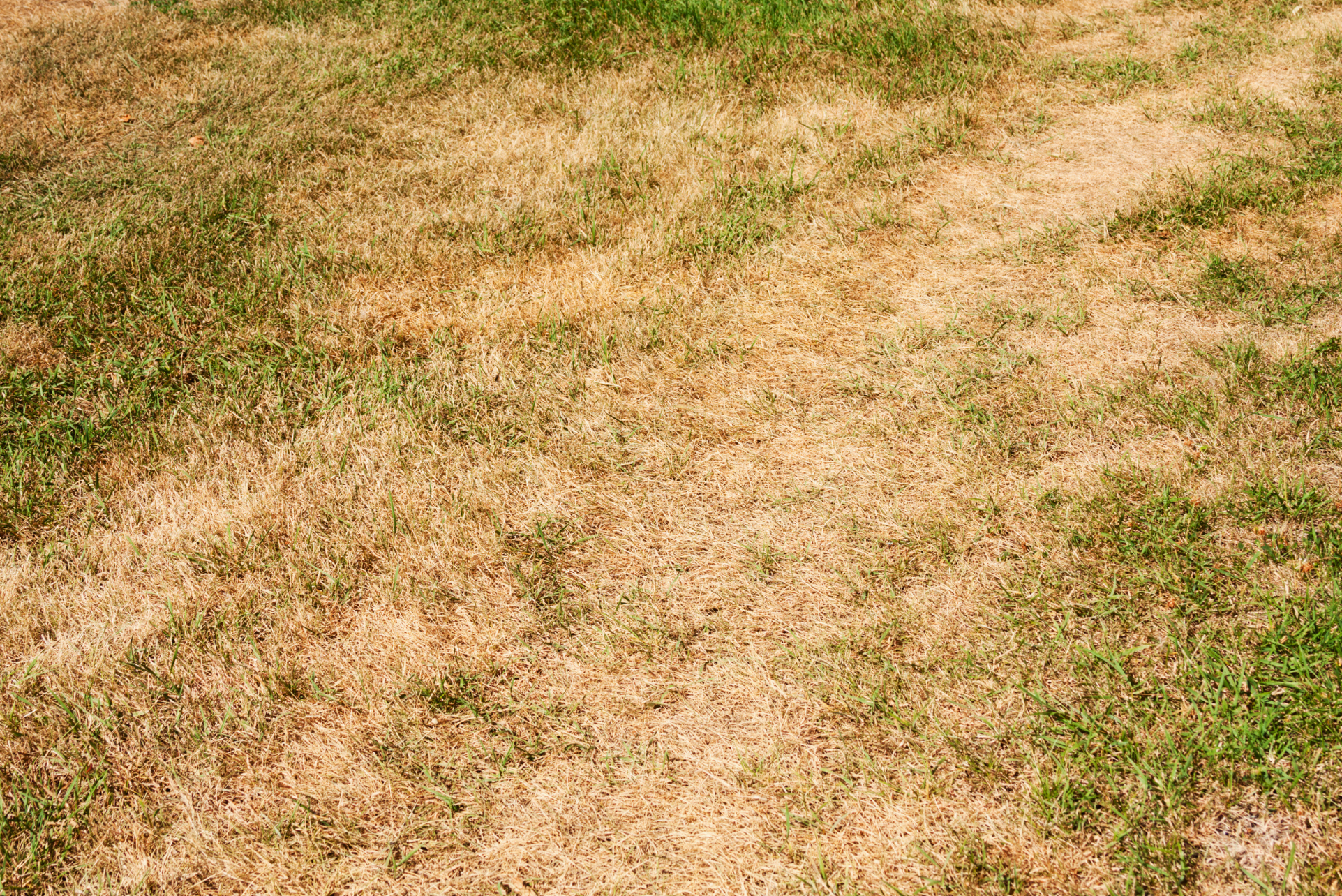
Why Is Autumn Lawn Care Important?
During autumn, the UK’s cool temperatures and regular rainfall can create ideal conditions for grass growth. At the same time, wet soil, falling leaves and increased shade can cause problems if your lawn is neglected.
Good autumn lawn care can help:
- Improve drainage and reduce waterlogging
- Encourage strong root development
- Repair worn or bare areas
- Reduce moss and thatch problems
- Prevent fallen leaves from smothering the grass
- Prepare the lawn to withstand cold and wet winter conditions
Think of autumn as the time to give your lawn the foundations it needs to survive winter and look its best next spring.
1. Keep Mowing Your Lawn
Grass can continue growing well into autumn, particularly during mild weather.
Continue mowing while the grass is actively growing, but gradually raise the mowing height as the season progresses. Avoid cutting the grass too short, as longer blades can help the plant cope with cooler conditions and reduced sunlight.
As a general rule, aim to leave your lawn slightly longer going into winter rather than giving it a very short final cut.
Avoid mowing when the ground is very wet. Driving a mower across saturated soil can compact the ground and leave unsightly tracks.
2. Clear Fallen Leaves Regularly
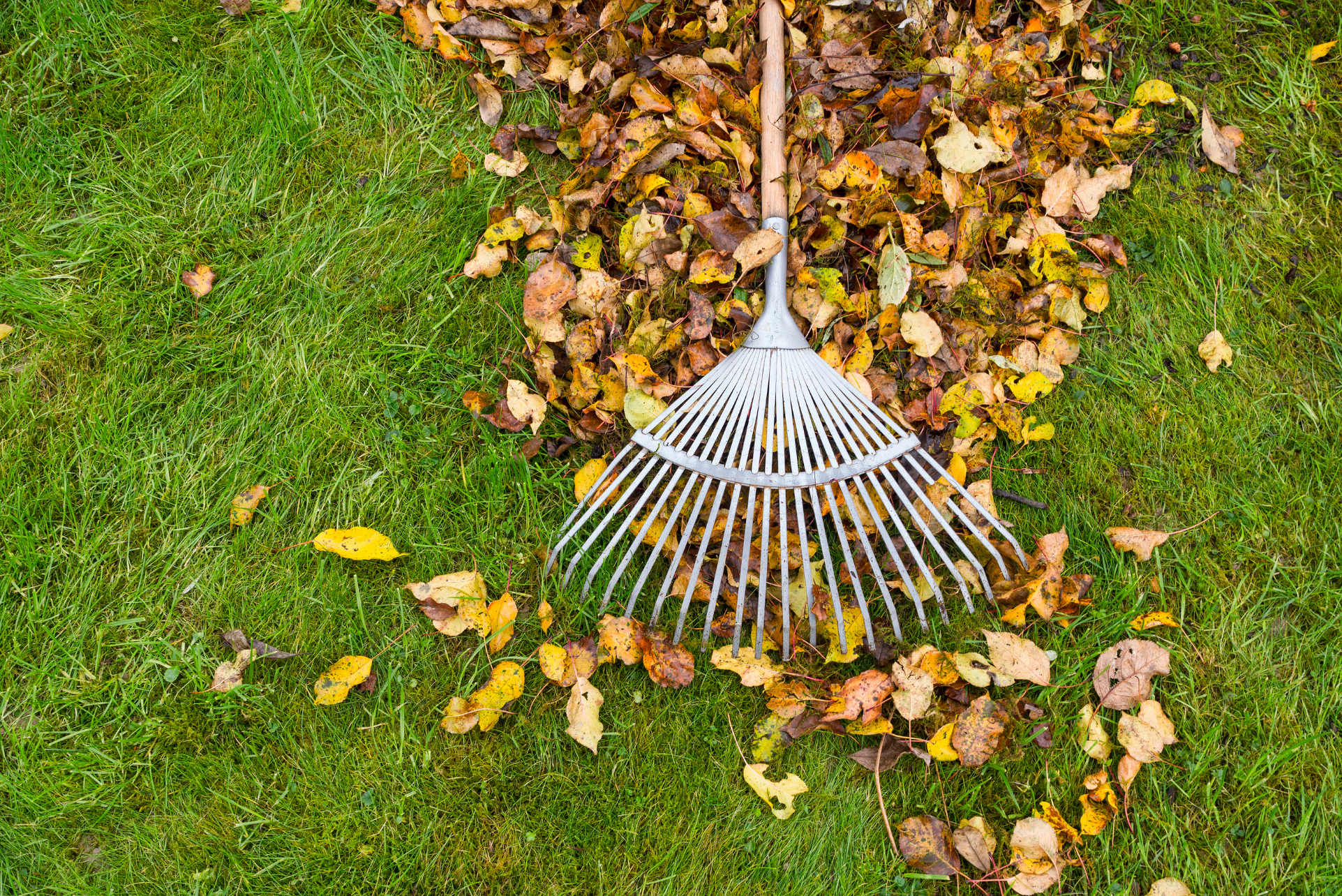
Beautiful autumn leaves can be a problem for your lawn if they’re left in place for too long.
A thick layer of leaves blocks sunlight and restricts airflow around the grass. In wet conditions, leaves can become compacted and create a damp environment that encourages moss and fungal problems.
Rake or blow leaves off the lawn regularly. You can also collect them for composting or use a mower with a collection box to gather smaller quantities.
Don’t worry about removing every single leaf immediately, but avoid allowing a thick layer to build up.
3. Aerate Compacted Soil
After a busy summer, lawns can become compacted, particularly in areas that receive lots of foot traffic.
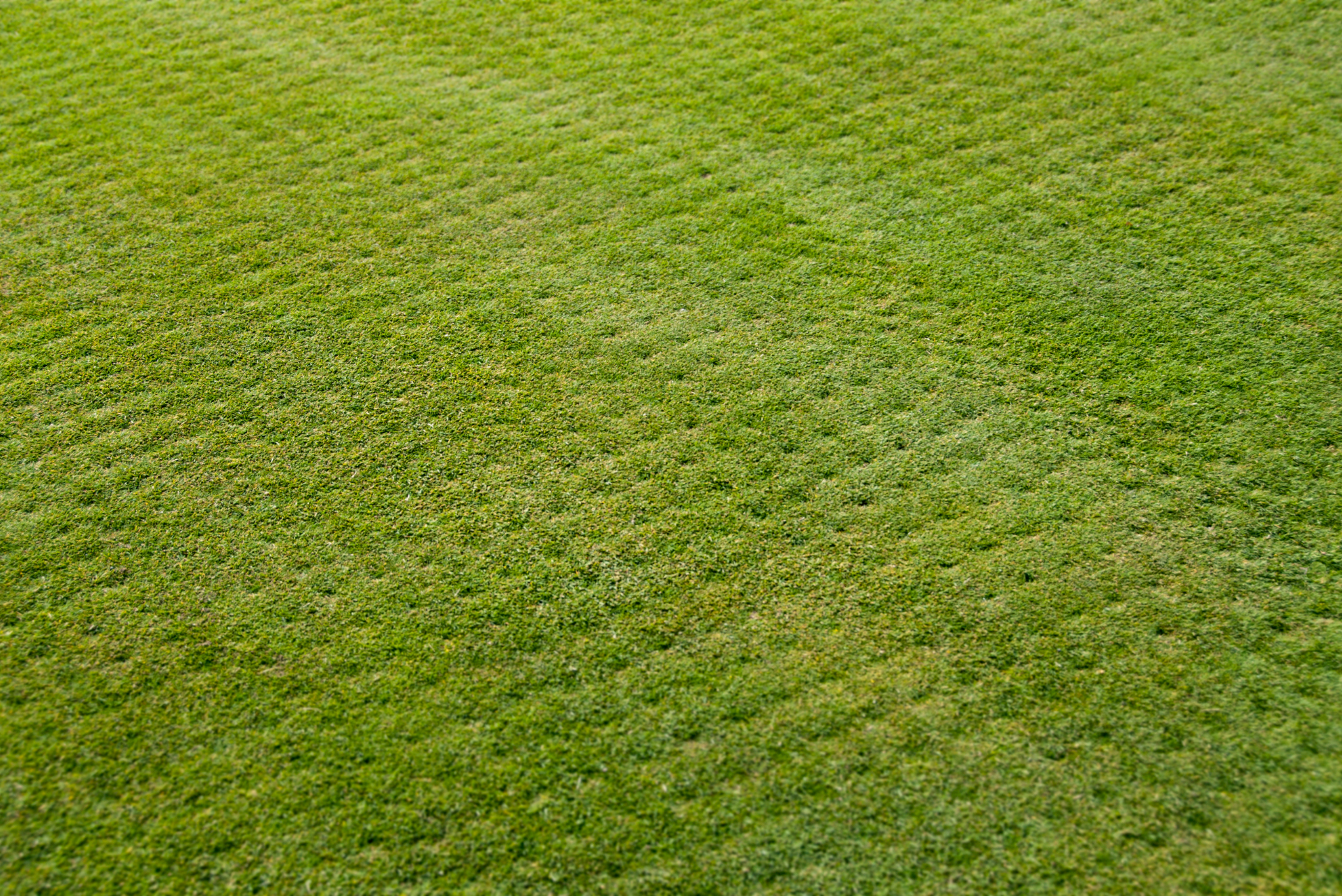
Compacted soil prevents air, water and nutrients from reaching the grass roots effectively. Autumn is a good time to aerate the lawn while the soil is still workable.
For smaller lawns, a garden fork can be used to make holes throughout the affected areas. For larger or heavily compacted lawns, a hollow-tine aerator can be more effective.
Aeration is especially useful on heavy clay soils, which are common in many parts of the UK.
4. Scarify If Necessary
A build-up of dead grass, moss and organic material can prevent water and nutrients from reaching the soil.
Light scarification can help remove this material and improve the lawn’s overall condition. However, timing and intensity are important. Heavy scarification can leave a lawn looking damaged, so avoid aggressively scarifying a lawn that is already weak or stressed.
If your lawn has a significant moss or thatch problem, consider dealing with it before winter rather than allowing the issue to become worse.
5. Repair Bare and Damaged Areas
Autumn is an excellent time to repair patches of damaged or thin grass.
Start by removing debris and loosening the soil. Add a suitable lawn seed and gently rake it into the surface. Keep the area moist while the seed establishes.
Autumn’s combination of cooler temperatures and moisture can provide excellent conditions for grass seed germination.
Try to repair bare patches early enough in the season to give the new grass time to establish before colder weather arrives.
6. Consider an Autumn Lawn Feed
Your lawn may benefit from an appropriate autumn fertiliser to help it prepare for winter.
Autumn lawn feeds are generally formulated differently from spring and summer fertilisers. The aim is to support healthy roots and overall resilience rather than encouraging excessive leafy growth.
Always follow the manufacturer’s application instructions and avoid applying more fertiliser than recommended.
If you’re unsure which treatment your lawn needs, a gardening professional can assess the grass and soil before recommending a suitable product.
7. Watch Out for Moss
Moss is a common issue on UK lawns, particularly during the wetter and darker months.
It tends to thrive where conditions are damp, shady, compacted or poorly drained. Simply removing visible moss may provide a temporary improvement, but addressing the underlying conditions is often more effective.
Improving drainage, reducing compaction, managing shade and maintaining appropriate mowing practices can all help reduce the conditions in which moss thrives.
8. Avoid Walking on a Waterlogged Lawn
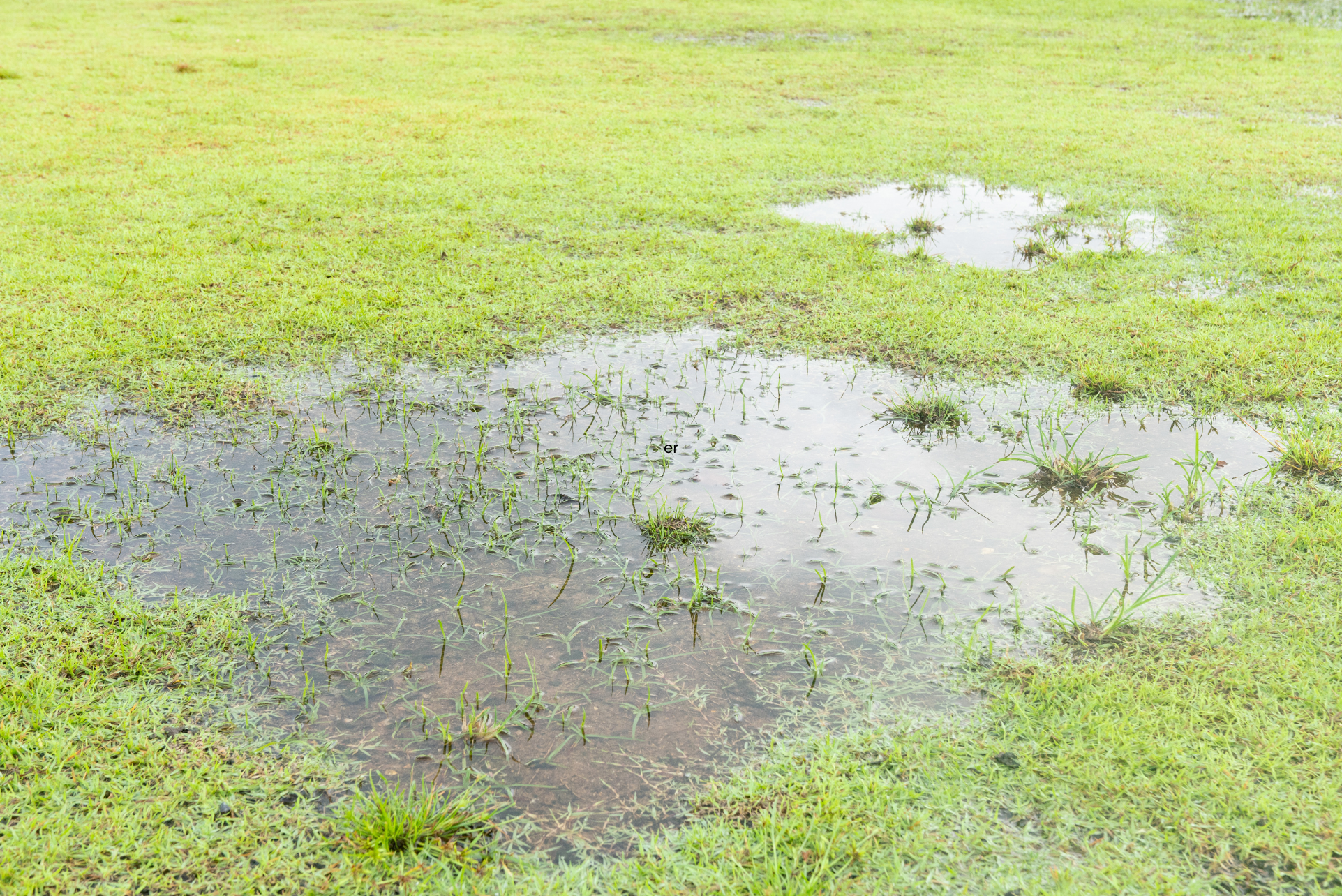
One of the simplest autumn lawn-care tips is also one of the easiest to overlook: try to keep off the lawn when the soil is saturated.
Walking repeatedly over wet grass can compact the soil and damage the grass. If possible, use paving, paths or designated routes during particularly wet periods.
If a lawn regularly becomes waterlogged, it may be worth investigating the underlying drainage and soil conditions.
9. Prepare Your Lawn for Winter
As autumn comes to an end, give the lawn one final check.
Remove accumulated leaves, make sure drainage isn’t blocked and complete any outstanding repairs while conditions allow. Keep mowing for as long as the grass continues to grow, but avoid cutting during frosty or excessively wet conditions.
Once growth slows significantly, your lawn requires much less maintenance. The goal is simply to leave it clean and healthy