
Planting in a Drought
With the UK and other parts of the world having recently faced extremely hot temperatures, and looking set to do so again, we must look to adapting our gardens to face and survive such a climate where watering is also restricted.

Best practices for planting in drought conditions
- Plant at the right time. Early morning, evening, or cooler seasons are better than hot afternoons in the summer. In many areas, autumn is ideal because roots can grow before the summer heat.
- Choose drought-tolerant plants. Native plants and species adapted to dry conditions usually need less watering once established. Good choices (depending on your climate) include Lavender, Rosemary, Sage, Thyme, Ornamental grasses, succulents, wildflowers and shrubs.
- Plant small. Buy perennials in 9cm pots, and small trees and shrubs if possible. Young plants will establish more quickly. Before planting, soak plants well in their pots in a bucket or tray of water.
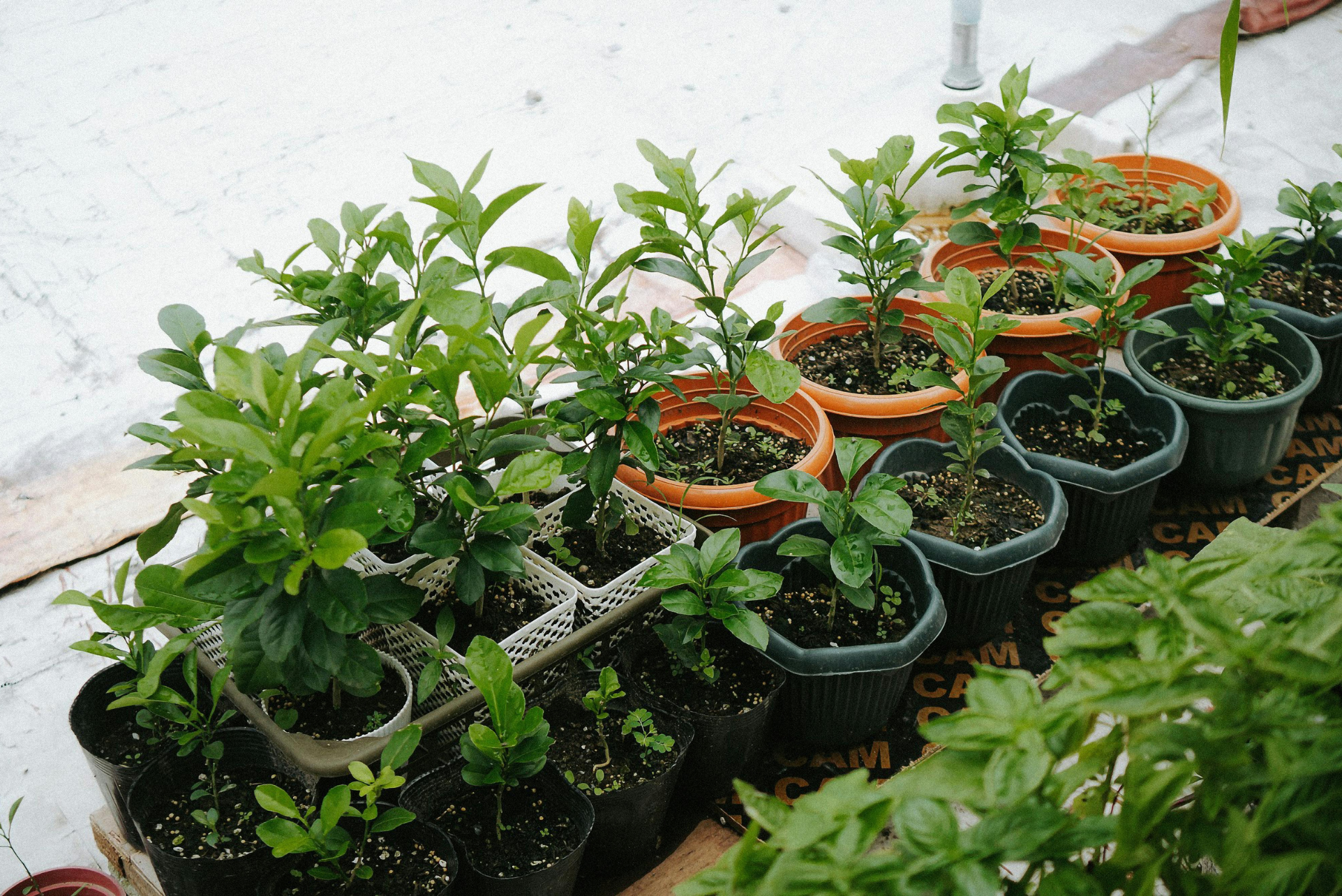
- Improve the soil. Add compost or organic matter to help soil hold moisture (especially in sandy soils).
- Water deeply, not frequently. A thorough soak encourages deep roots. Shallow daily watering can make plants more vulnerable.
- Mulch heavily. Add a 5–10 cm layer of mulch around the base of the plant (but not touching stems/trunks) to reduce evaporation and keep roots cooler.
- Reduce competition. Remove weeds and avoid planting too densely, as the plants will compete for the limited amount of water.
- Protect new plants. Newly planted trees and shrubs need the most attention in their first year. Temporary shade or wind protection can reduce stress.
If you need any help or advice with your planting schedule, please don’t hesitate to get in touch. We’re always happy to offer free horticultural advice, or, if you’d prefer a little more hands-on support, we can help with our professional planting services.