
How to Create a Pollinator-Friendly Garden: Supporting Bees, Butterflies and Other Beneficial Wildlife
A thriving garden is about more than beautiful flowers and neatly trimmed lawns. Behind the scenes, an army of pollinators is hard at work helping plants reproduce, fruit develop, and ecosystems flourish.
From honeybees and bumblebees to butterflies, hoverflies, moths, and even beetles, pollinators play a vital role in the health of our gardens and the wider environment. Unfortunately, many pollinator populations have declined in recent years due to habitat loss, pesticide use, and changing land management practices.
The good news is that even small gardens can make a big difference.
By choosing the right plants and adopting a few wildlife-friendly gardening practices, you can create a beautiful outdoor space that provides food, shelter, and nesting opportunities for pollinators throughout the year.
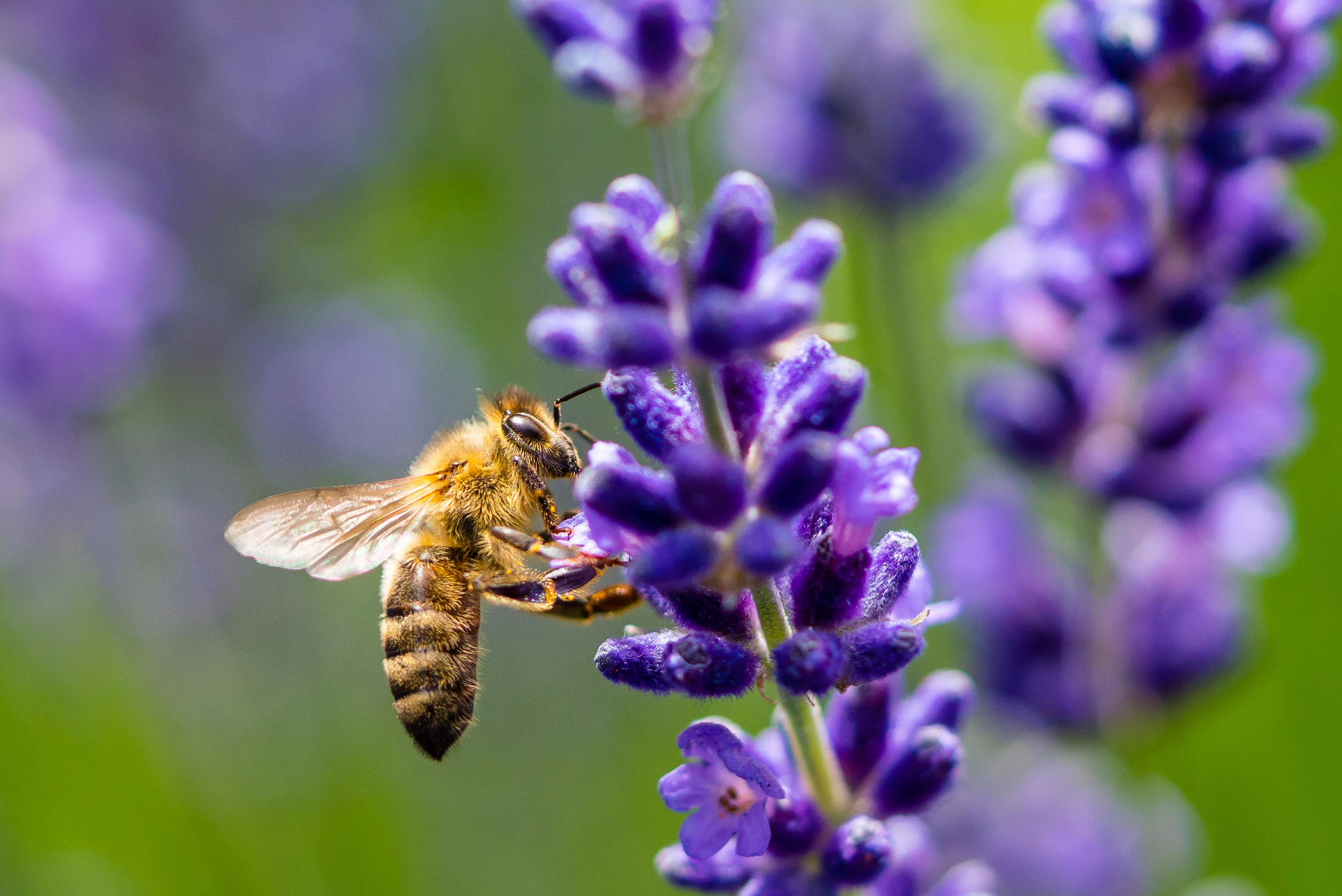
Why Are Pollinators So Important?
Pollinators transfer pollen between flowers, allowing plants to produce seeds, fruits, and vegetables.
Without them, many of the plants we enjoy in our gardens—and much of the food we eat—would struggle to survive.
A pollinator-friendly garden offers benefits such as:
- Increased flower production
- Better fruit and vegetable harvests
- Improved biodiversity
- Healthier garden ecosystems
- More wildlife activity and interest throughout the year
Simply put, a garden full of pollinators is often a healthier and more productive garden.
Choose Nectar-Rich Plants
The most effective way to attract pollinators is by planting plants and shrubs that provide a reliable source of nectar and pollen.
Many traditional garden favourites are excellent choices.
Pollinator-Friendly Shrubs
Shrubs provide structure, long flowering periods, and valuable food sources.
|
Shrub |
Flower Colour |
Pollinator Appeal |
|
Lavender |
Purple, blue |
Highly attractive to bees and butterflies |
|
Buddleia |
Purple, pink, white |
Excellent for butterflies and bees |
|
Hebe |
White, pink, purple |
Long flowering period |
|
Ceanothus |
Blue |
Valuable spring nectar source |
|
Escallonia |
Pink, red, white |
Popular with bees and hoverflies |
|
Caryopteris |
Blue |
Late-season nectar source |
Pollinator-Friendly Perennials
|
Plant |
Flower Colour |
Benefits |
|
Verbena Bonariensis |
Purple |
Attracts butterflies and bees |
|
Salvia |
Blue, purple, red |
Long flowering season |
|
Echinacea |
Pink, purple |
Rich in nectar and pollen |
|
Achillea (Yarrow) |
Various colours |
Easy access for many pollinators |
|
Rudbeckia |
Yellow |
Long-lasting summer flowers |
|
Sedum |
Pink-red |
Excellent autumn nectar source |
|
Scabious |
Blue, pink, purple |
Particularly popular with bees |
Annual Flowers
Annuals can provide months of colour and valuable nectar.
- Cosmos
- Zinnia
- Sunflowers
- Sweet Alyssum
- Cornflowers
- Calendula
- Nicotiana
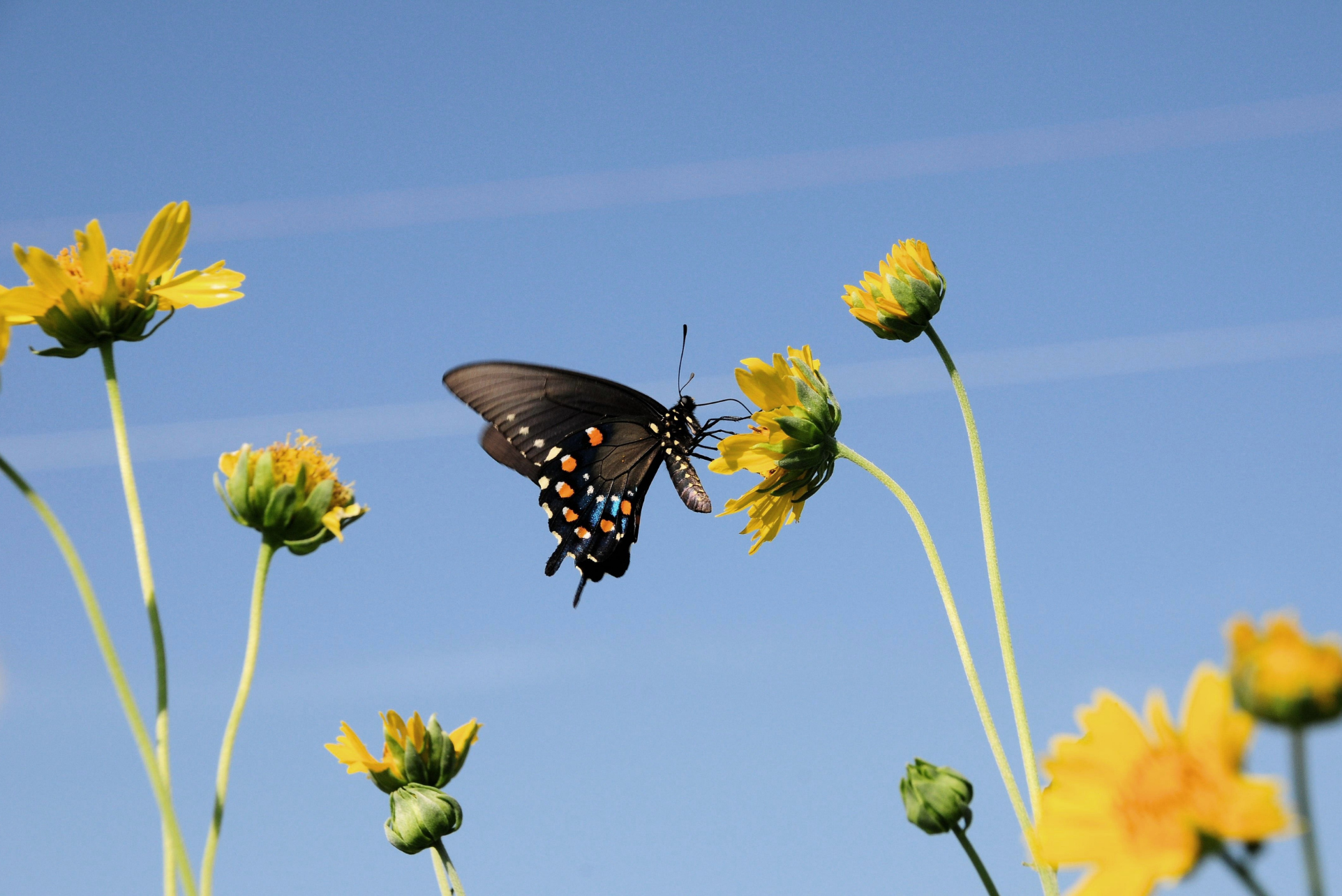
Plant for Year-Round Interest
One of the biggest mistakes gardeners make is only providing flowers during summer.
Pollinators need food throughout the growing season, particularly in early spring and late autumn when resources can be scarce.
Spring
Early pollinators emerge when little else is flowering.
Consider:
- Crocus
- Snowdrops
- Primrose
- Pulmonaria
- Wallflowers
- Ceanothus
Summer
Summer is the busiest period for pollinators.
Include:
- Lavender
- Buddleia
- Verbena Bonariensis
- Salvia
- Echinacea
- Cosmos
Autumn
Late-season nectar is essential for bees preparing for winter.
Plant:
- Sedum
- Asters
- Caryopteris
- Late-flowering Salvias
- Michaelmas Daisies
Create Layers of Planting
Pollinators are attracted to gardens that offer a variety of flower shapes, heights, and habitats.
A well-designed pollinator border might include:
- Flowering shrubs at the back
- Perennials through the middle
- Ground-cover plants and annuals at the front
- Herbs interspersed throughout
This layered approach not only looks attractive but also provides food sources for a wider range of insects.
Grow Herbs for Pollinators
Many culinary herbs are excellent pollinator plants when allowed to flower.
Some of the best include:
- Lavender
- Thyme
- Oregano
- Rosemary
- Chives
- Mint
- Fennel
- Dill
Allowing a few herbs to bloom can significantly increase pollinator activity in your garden.
Provide Water
Pollinators need water just as much as they need nectar.
A shallow dish filled with pebbles and water creates a safe drinking station for bees and butterflies.
Bird baths, small ponds, and wildlife-friendly water features can also support a wide range of beneficial creatures.
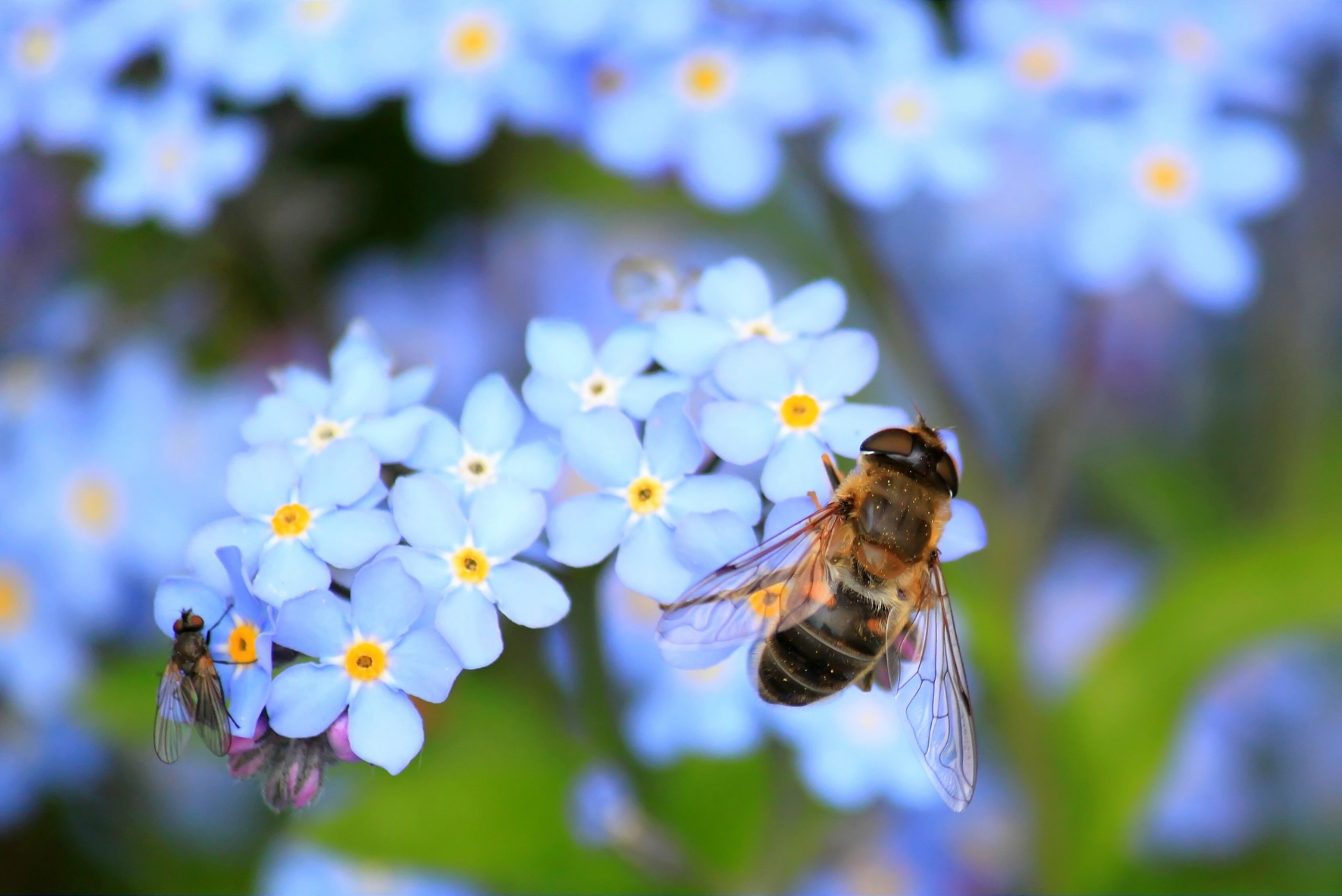
Create Nesting and Shelter Areas
Pollinators need somewhere to rest, shelter, and reproduce.
You can help by:
- Leaving some areas slightly wild
- Retaining hollow stems over winter
- Installing bee hotels
- Leaving small piles of logs or branches
- Maintaining hedges and shrubs for cover
Not every corner of the garden needs to be perfectly tidy.
In fact, some of the most valuable wildlife habitats are found in the less manicured areas.
Reduce Pesticide Use
One of the simplest ways to support pollinators is to minimise pesticide use.
Many chemical treatments can unintentionally harm bees, butterflies, hoverflies, and other beneficial insects.
Instead, consider:
- Hand removing pests where practical
- Encouraging natural predators
- Improving plant health through good garden maintenance
- Using organic control methods where necessary
A balanced garden ecosystem often manages many pest problems naturally.
Don't Forget the Lawn
Pollinator-friendly gardening isn’t limited to flower beds.
Simple changes to your lawn can also make a difference.
Consider:
- Leaving small areas unmown
- Allowing clover to flower
- Creating a wildflower patch
- Reducing mowing frequency in selected areas
Even a small patch of longer grass can provide food and shelter for insects.
Pollinator-Friendly Gardening in Small Spaces
You don’t need a large garden to help wildlife.
Balconies, patios, and courtyards can all support pollinators through container planting.
Good choices include:
- Lavender
- Salvia
- Verbena
- Thyme
- Cosmos
- Buddleia varieties suitable for containers
A few well-chosen pots can create a valuable feeding station in urban areas where resources may be limited.
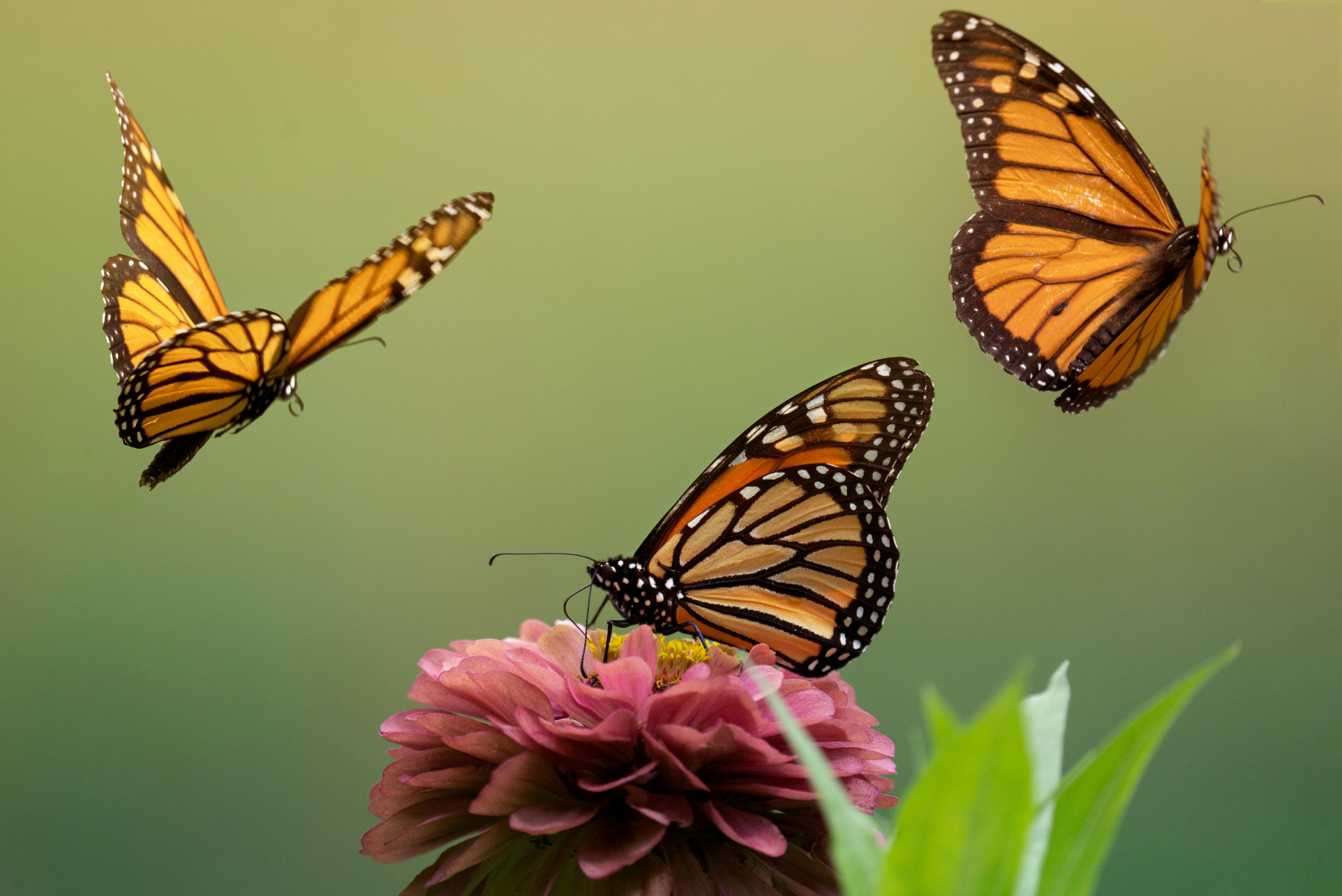
Need Help Creating a Wildlife-Friendly Garden?
At 4AllSeasons Gardeners, we’re passionate about creating gardens that are both beautiful and beneficial to wildlife.
Whether you’re starting from scratch or adapting an existing garden, creating a pollinator-friendly space doesn’t have to happen overnight. Even a few carefully chosen plants can begin attracting bees, butterflies, and other beneficial insects within a single growing season.
We believe that healthy, wildlife-friendly gardens should be accessible to everyone, regardless of budget. That’s why we’re always happy to offer free advice and guidance by email. If you’d like to send us a few photos of your garden, we’ll do our best to suggest suitable plants, identify opportunities to improve biodiversity, and provide practical recommendations that work for your space and budget.
Of course, if you’d prefer some hands-on help, you can always contact our experienced team, who can assist with planting schemes, garden improvements, and ongoing maintenance. But whether you choose to tackle the work yourself or would like professional assistance, we’re always pleased to support anyone looking to create a healthier, more wildlife-friendly garden.
Final Thoughts
Creating a pollinator-friendly garden doesn’t require major changes or a complete redesign.
By choosing nectar-rich plants, providing flowers throughout the seasons, reducing pesticide use, and creating a few areas for shelter and nesting, you can make a real difference to local wildlife.
Whether you have a large family garden or a handful of containers on a balcony, every pollinator-friendly plant helps.
The reward is a garden buzzing with life, colour, and movement—a space that benefits both wildlife and the people who enjoy it.