
Basic Pruning Techniques: A Beginner's Guide to Healthier Plants
Pruning can be one of the most intimidating gardening tasks for beginners. After all, cutting parts off an otherwise healthy plant can feel a little counterintuitive.
However, when done correctly, pruning is one of the most beneficial things you can do for many trees, shrubs, climbers, and perennials. It encourages healthy growth, improves flowering and fruiting, helps maintain shape, and can prevent disease from spreading.
The good news is that you don’t need to be an expert horticulturist to master the basics.
Why Is Pruning Important?
Pruning isn’t simply about making plants look tidy.
Regular pruning can help:
- Remove dead, damaged, or diseased growth
- Improve air circulation through the plant
- Encourage stronger growth
- Promote flowering and fruit production
- Maintain a desirable shape and size
- Reduce the risk of branches becoming hazardous
- Extend the lifespan of many plants
In many cases, a few well-placed cuts can significantly improve a plant’s health and appearance.
The Three D's: Where to Start
If you’re unsure what to prune, start with what gardeners often call the “Three D’s”:
Dead
Remove branches, stems, or growth that are clearly dead.
Dead wood serves no purpose and can become a point of entry for pests and diseases.
Damaged
Broken or damaged stems should be removed back to healthy growth.
This allows the plant to heal properly and reduces the risk of infection.
Diseased
Any branches showing signs of disease should be removed promptly.
Always clean your tools after pruning diseased material to avoid spreading problems to other plants.
If you’re ever unsure, removing the Three D’s is rarely a mistake.
Essential Pruning Tools
Using the correct tool makes pruning easier and reduces damage to the plant.
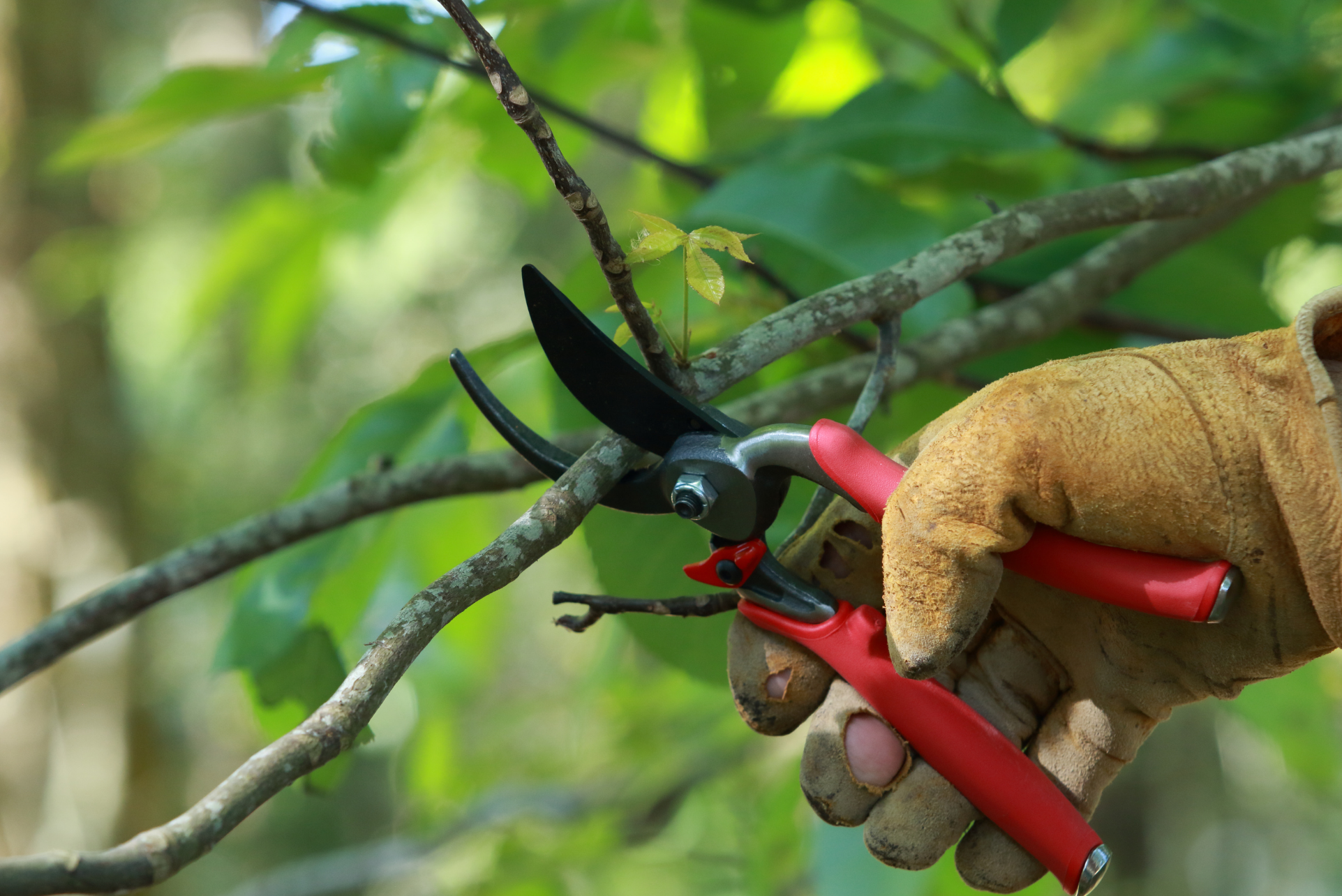
Secateurs
Ideal for:
- Small stems
- Perennials
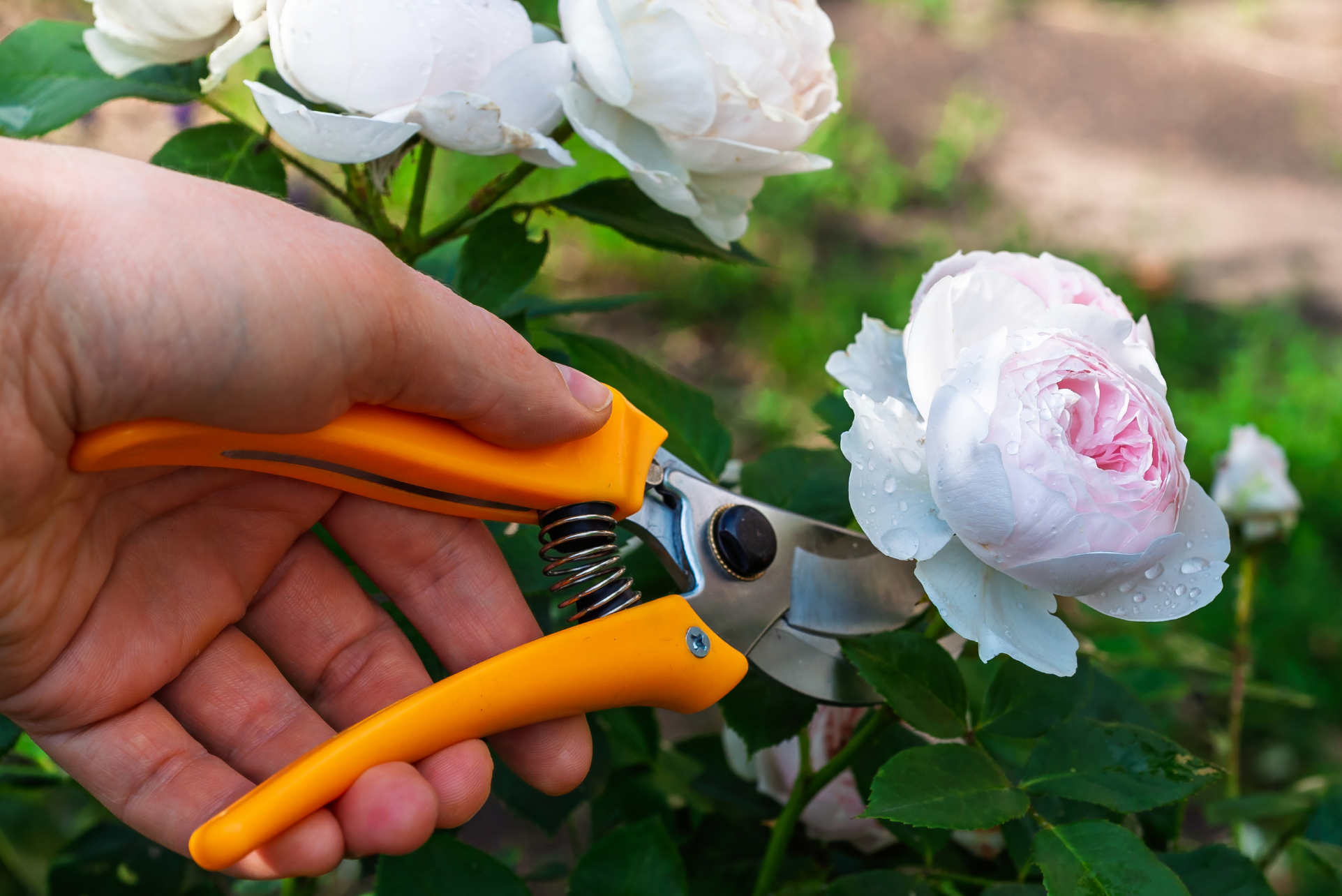
- Roses
- Shrub pruning
A good pair of sharp secateurs is one of the most useful tools any gardener can own.
Loppers
Designed for thicker branches that are too large for secateurs.
The long handles provide extra leverage, making cutting easier.
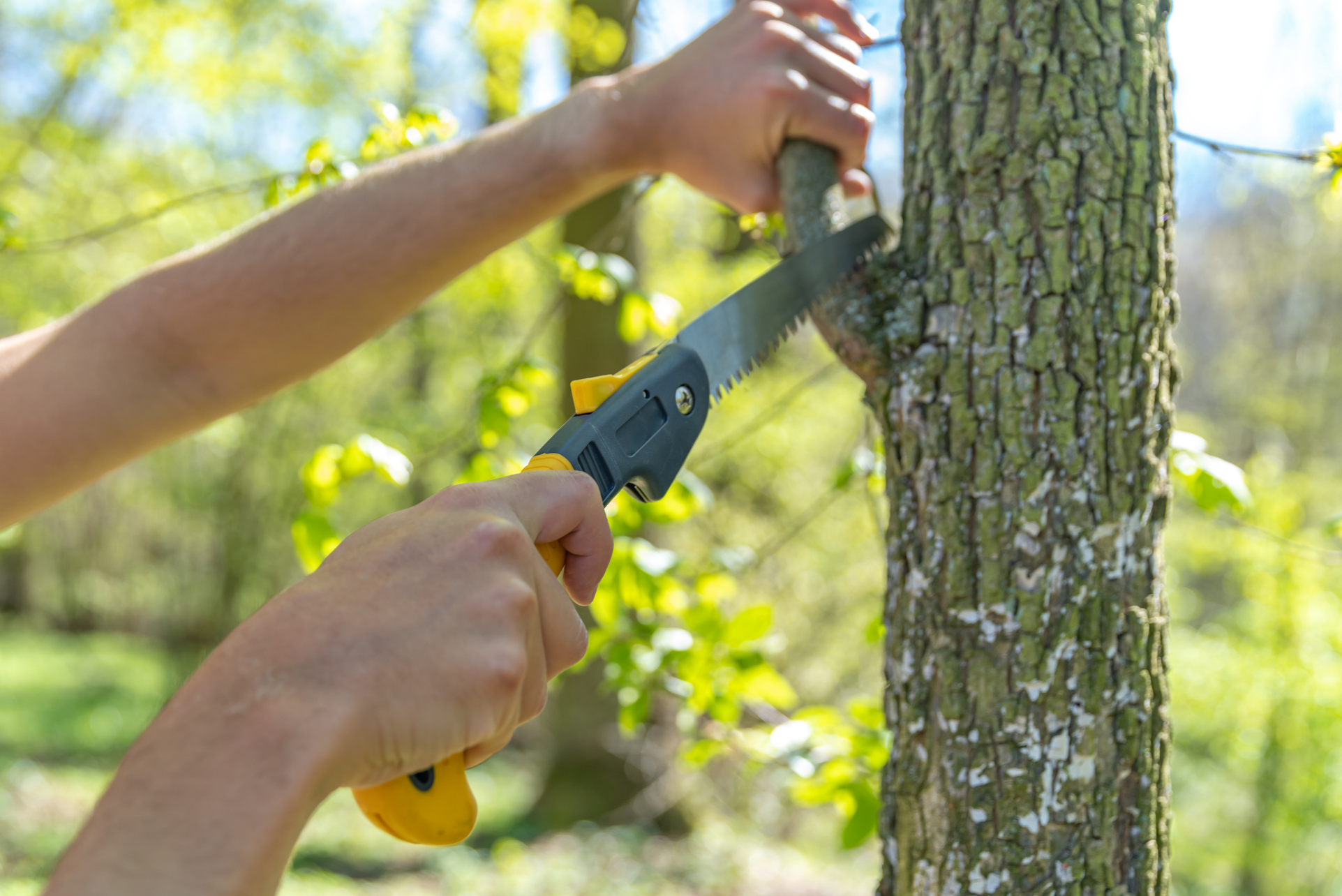
Pruning Saw
Best for:
- Mature shrubs
- Small trees
- Larger branches
A pruning saw creates a cleaner cut than forcing thick branches through loppers.
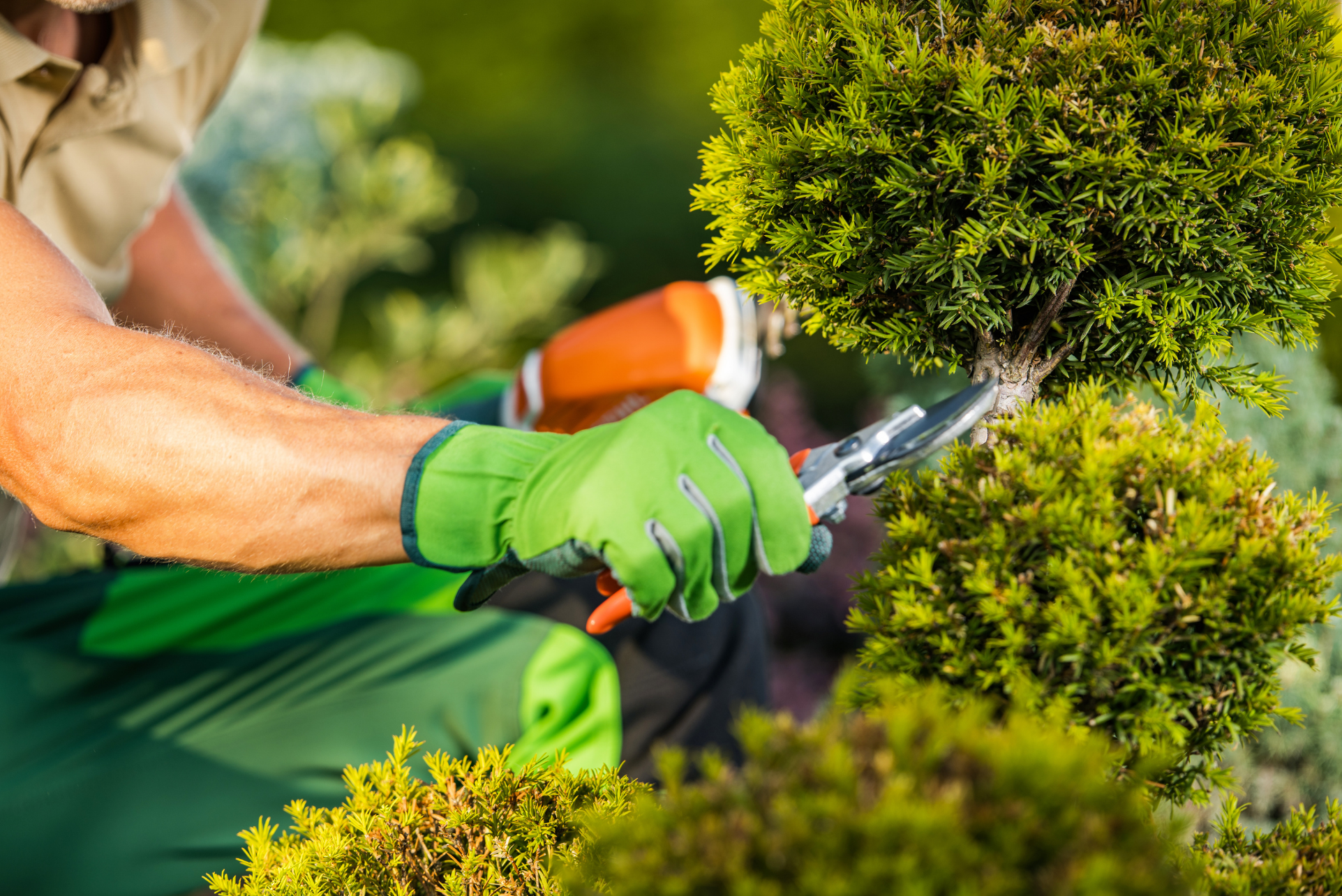
Hedge Trimmers
Suitable for:
- Formal hedges
- Topiary
- General hedge maintenance
Avoid using hedge trimmers on shrubs that require selective pruning, as this can damage their natural shape.
Make Clean Cuts
One of the most important pruning principles is making clean, tidy cuts.
When removing a stem or branch:
- Cut just above a healthy bud or side shoot.
- Avoid leaving long stubs.
- Avoid cutting too close to the bud.
- Use sharp tools to prevent tearing.
Clean cuts heal more quickly and reduce the risk of disease.
Understanding Different Types of Pruning
Maintenance Pruning
The most common type of pruning.
This involves removing dead, damaged, crossing, or overcrowded growth to keep plants healthy and attractive.
Most shrubs benefit from occasional maintenance pruning.
Formative Pruning
Usually carried out on young trees and shrubs.
The goal is to develop a strong structure early in the plant’s life.
A little attention when plants are young can prevent problems later.
Renovation Pruning
Sometimes older shrubs become overgrown or unproductive.
Renovation pruning involves removing some of the oldest stems to encourage fresh growth.
Many shrubs respond remarkably well to this approach when carried out correctly.
Common Pruning Mistakes
Cutting Too Much at Once
Removing excessive growth can stress the plant.
As a general rule, avoid removing more than one-third of a plant’s growth in a single season unless undertaking a planned renovation programme.
Pruning at the Wrong Time
Different plants have different pruning requirements.
For example:
- Spring-flowering shrubs are usually pruned after flowering.
- Summer-flowering shrubs are often pruned in late winter or early spring.
- Many trees are best pruned during dormancy.
Before making significant cuts, it’s worth checking the requirements of the specific plant.
Identify the Plant Before You Prune
One of the most important steps in pruning is knowing exactly what you’re pruning.
Different plants have very different pruning requirements. Some shrubs flower on growth produced the previous year, while others flower on new growth. Some benefit from hard pruning, while others can be damaged by it. Pruning at the wrong time or in the wrong way can reduce flowering, spoil a plant’s natural shape, or even affect its long-term health.
If you’re unsure what a plant is, it’s worth identifying it before reaching for the secateurs.
Fortunately, there are now a number of excellent plant identification apps available that can help identify trees, shrubs, perennials, and weeds from a simple photograph. While these apps aren’t always perfect, they can be a useful starting point when researching how and when to prune a particular plant.
And if you’re still unsure, we’re always happy to help. Simply send us a few photographs by email and we’ll do our best to identify the plant and offer guidance on the most appropriate pruning approach. A few minutes spent identifying a plant correctly can save years of disappointment from accidental over-pruning.
Using Blunt Tools
Blunt blades crush and tear stems rather than cutting cleanly.
Sharp tools create healthier wounds that heal faster.
Topping Trees
Removing the tops of trees indiscriminately often causes more problems than it solves.
Poor tree pruning can create weak growth, encourage disease, and lead to long-term structural issues.
A Simple Pruning Routine
For most gardens, a simple approach works well:
Spring
- Remove winter damage.
- Prune late-flowering shrubs if required.
- Check roses for dead or weak growth.
Summer
- Deadhead flowering plants.
- Lightly shape shrubs if needed.
- Remove any damaged growth.
Autumn
- Remove broken branches.
- Avoid heavy pruning of tender plants before winter.
Winter
- Prune many deciduous trees and shrubs while dormant.
- Remove dead or diseased wood.
- Plan larger pruning jobs before spring growth begins.
When Not to Prune
There are times when it’s best to leave the secateurs in the shed.
Avoid heavy pruning:
- During periods of extreme heat
- During severe frost
- When birds are actively nesting
- Immediately before prolonged cold weather
Always check shrubs and hedges for nesting birds before carrying out any work.
Need Advice on Pruning?
At 4AllSeasons Gardeners, we understand that pruning can sometimes feel daunting, particularly when dealing with mature shrubs, ornamental trees, or plants you’ve spent years nurturing.
If you’re unsure where to make cuts, when to prune a particular plant, or whether a shrub has become overgrown, we’re always happy to offer free advice by email.
Simply send us a few photographs and a brief description of the plant or issue, and we’ll do our best to point you in the right direction. We believe that healthy, well-maintained gardens should be accessible to everyone, regardless of budget, and we’re always pleased to help fellow gardeners gain confidence in caring for their outdoor spaces.
Final Thoughts
Pruning doesn’t need to be complicated.
Start with the basics: remove dead, damaged, and diseased growth, use sharp tools, and make clean cuts. Over time, you’ll become more confident in understanding how different plants respond and what they need.
A little thoughtful pruning can make a huge difference to the health, appearance, and longevity of your garden.
And remember, every experienced gardener started by making that first cut.