
What to Do in Your Garden This Month: July
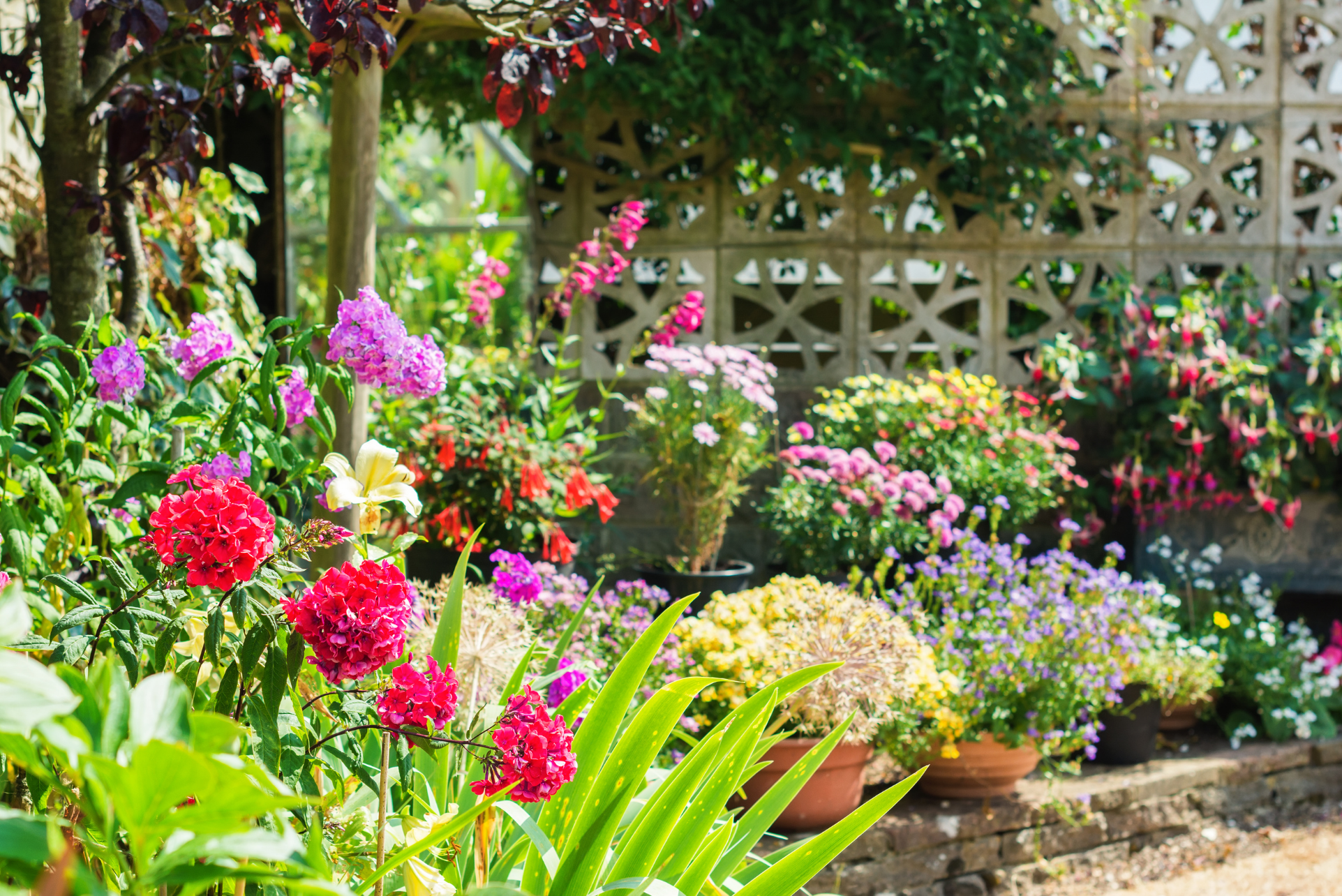
July is a busy and rewarding month for home gardeners and professional gardeners alike. With longer days, warmer weather, and plants growing quickly, there are plenty of jobs to keep your garden looking healthy, colourful, and productive. From watering and harvesting to pruning and planning for the later months, a little regular care now will help your garden thrive through summer.
Top Tips
- Keep on top of watering (where restrictions do not apply). Warm weather quickly dries out soil, so watering is one of the most important garden jobs this month. Water early in the morning or later in the evening to reduce evaporation and help roots absorb moisture. Focus on potted plants, hanging baskets, and newly planted areas, as these dry out much faster than established beds. Adding a layer of mulch around plants can also help retain moisture and keep roots cooler.
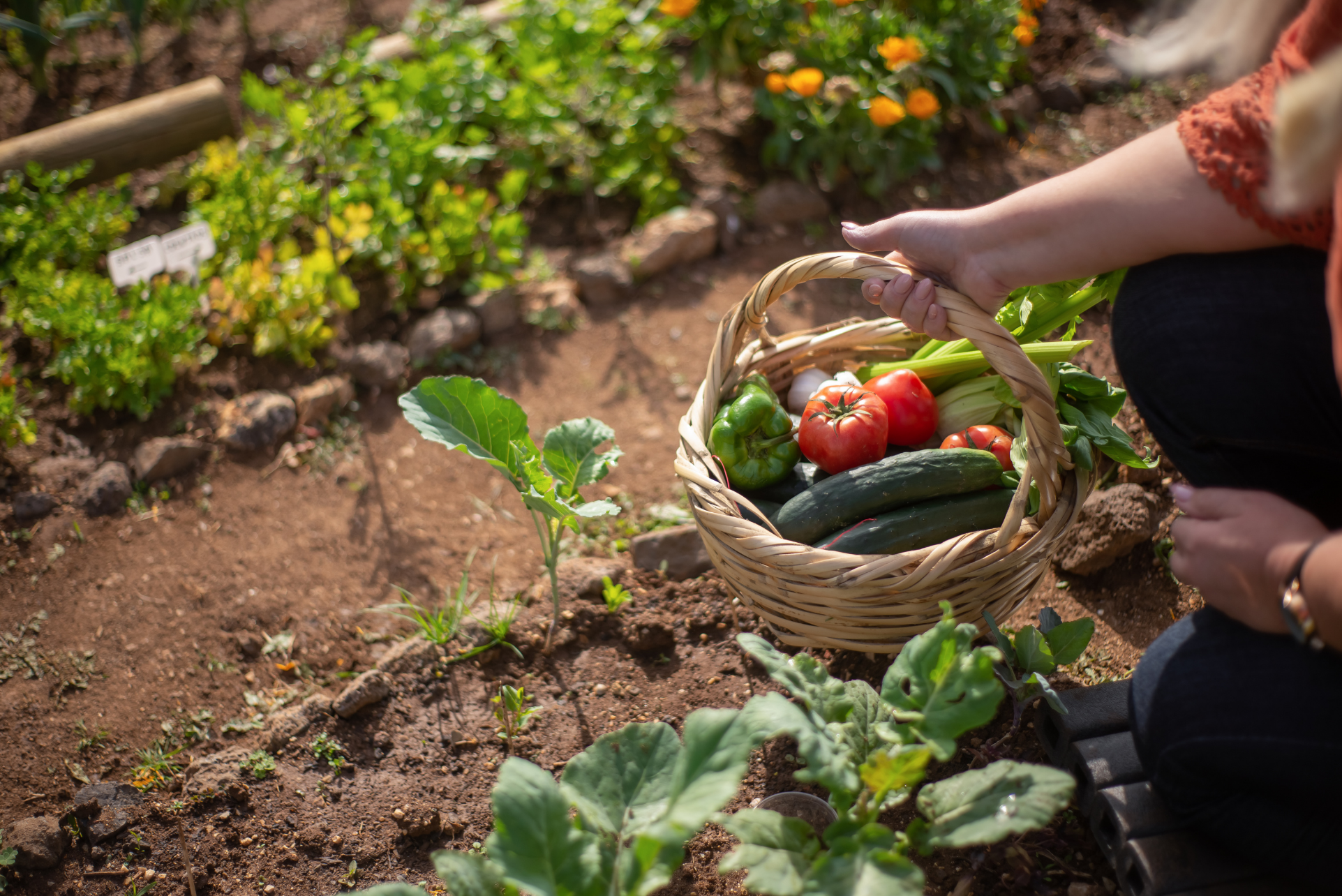
- Harvest summer crops regularly. July is a great month for harvesting fresh produce from the garden or allotment. Pick courgettes, beans, salad leaves, herbs, and soft fruits regularly to encourage plants to keep producing. Check crops daily, as many vegetables can grow quickly during warm weather. Harvesting at the right time will give you the best flavour and prevent plants from becoming overgrown.
- Feed plants for continued growth. Flowering plants, vegetables, and container displays will benefit from extra nutrients during the growing season. Use a suitable feed to encourage strong growth, more flowers, and better harvests. Tomatoes, in particular, benefit from regular feeding in July. Especially once they begin producing fruit. Remember to tie in and stake growth.
- Keep weeds under control. Warm weather and regular watering can encourage weeds as well as garden plants. Remove weeds while they are small to prevent them competing with your flowers and vegetables for water and nutrients. A quick weekly weed check can make a big difference and keep your garden looking tidy throughout the summer.
- Deadhead flowers. Remove faded flowers from plants such as roses, dahlias, and bedding plants to encourage more blooms. Deadheading directs the plant’s energy into producing new flowers rather than seeds. Regularly cutting back spent blooms also helps keep borders and containers looking fresh and colourful.
- Trim and Tidy the Garden. July is a good time to give hedges and fast-growing plants a tidy-up. Cut back overgrown growth where needed and remove any damaged or diseased leaves. Keep paths, patios, and garden areas neat by clearing fallen petals, leaves, and other debris that can harbour pests or diseases.
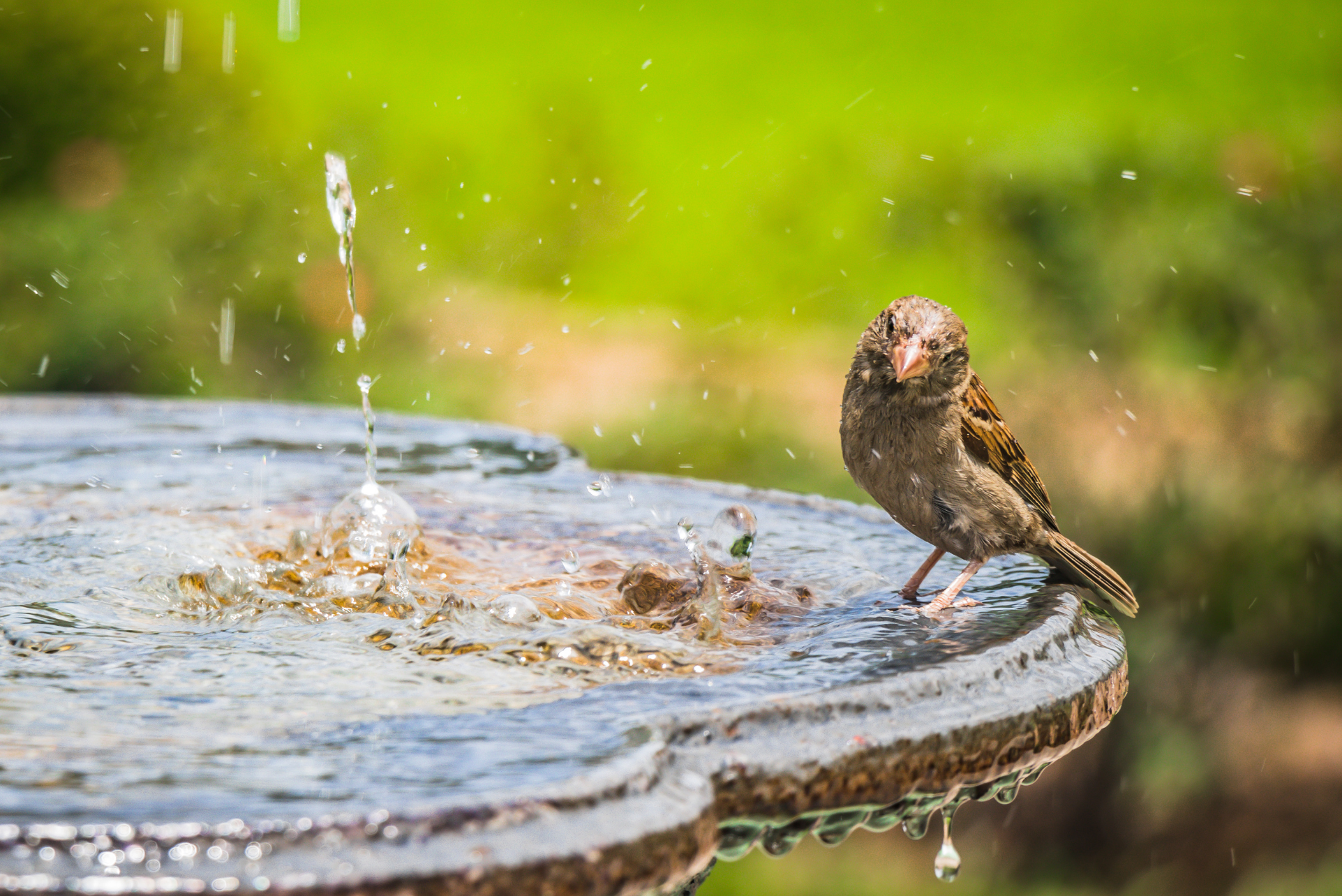
- Look After Wildlife. Summer gardens provide valuable food and shelter for wildlife. Keep bird baths topped up with fresh water and leave some areas slightly wild to support insects and pollinators. Planting nectar-rich flowers and avoiding unnecessary pesticide use will help attract bees, butterflies, and other beneficial garden visitors.
- Plan for late summer and autumn. July is not just about maintenance; it is also a good time to prepare for future seasons. Sow suitable seeds for late summer crops, plant autumn-flowering bulbs, and think about any changes you would like to make to your garden. Taking a little time now will help ensure your garden continues to look its best in the months ahead.
Final Thoughts
With regular care and attention, your garden can be at its best during July. Enjoy the warmer weather, make time to appreciate your plants, and take pride in the progress your garden makes throughout the summer.