
Russian Sage: A Hardy Beauty for the Garden
What Is Russian Sage?
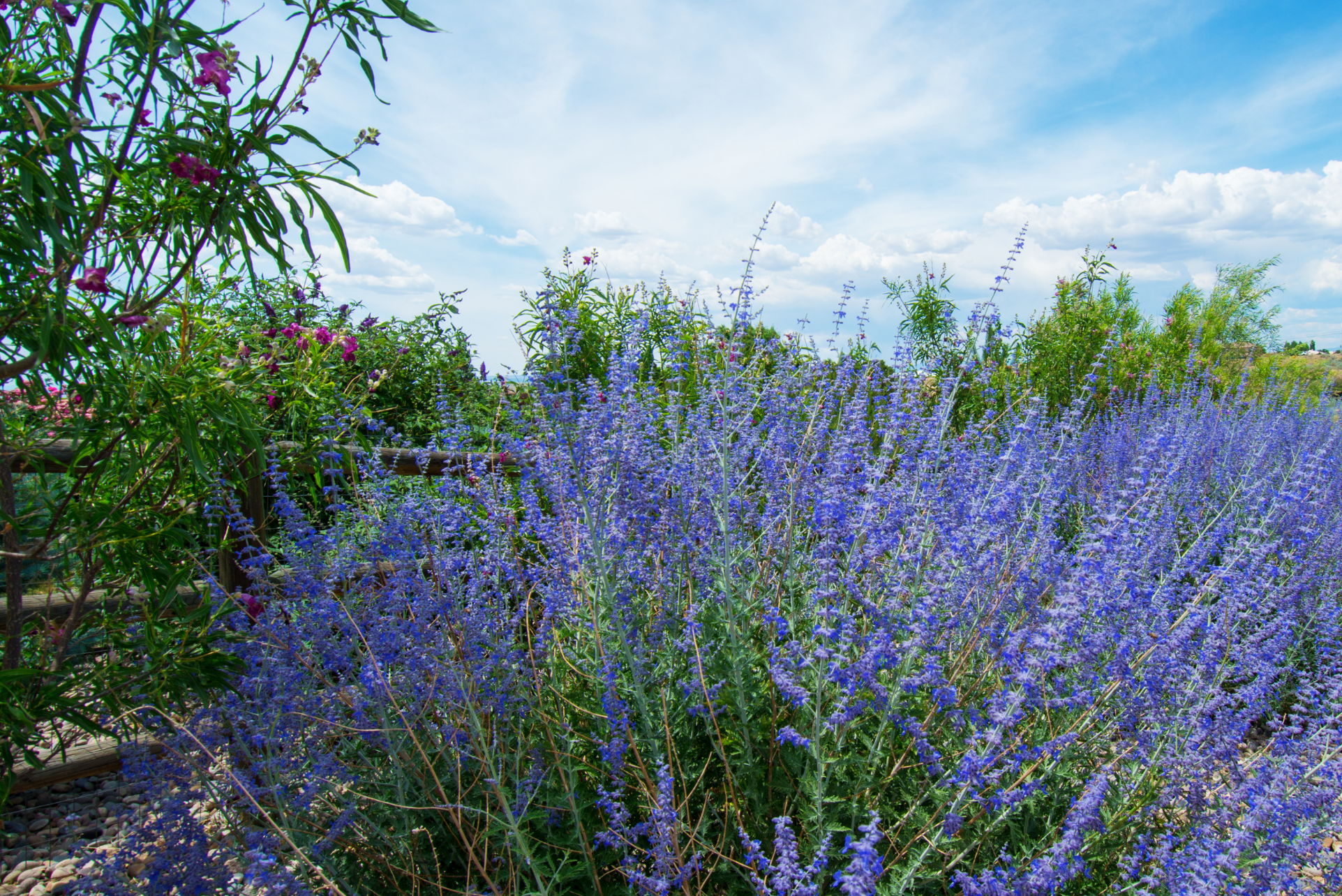
Russian sage is a woody perennial known scientifically as Salvia yangii (formerly classified as Perovskia atriplicifolia). Despite its name, it is not actually a type of sage used for cooking. Instead, it belongs to the mint family and is valued as an ornamental plant in gardens around the world. Native to Central Asia, it thrives in dry, sunny environments, making it an excellent choice for gardeners who want attractive plants that can handle challenging conditions. This is not just a heat-tolerant plant, it’s a heat-loving one.
Why Gardeners Love Russian Sage
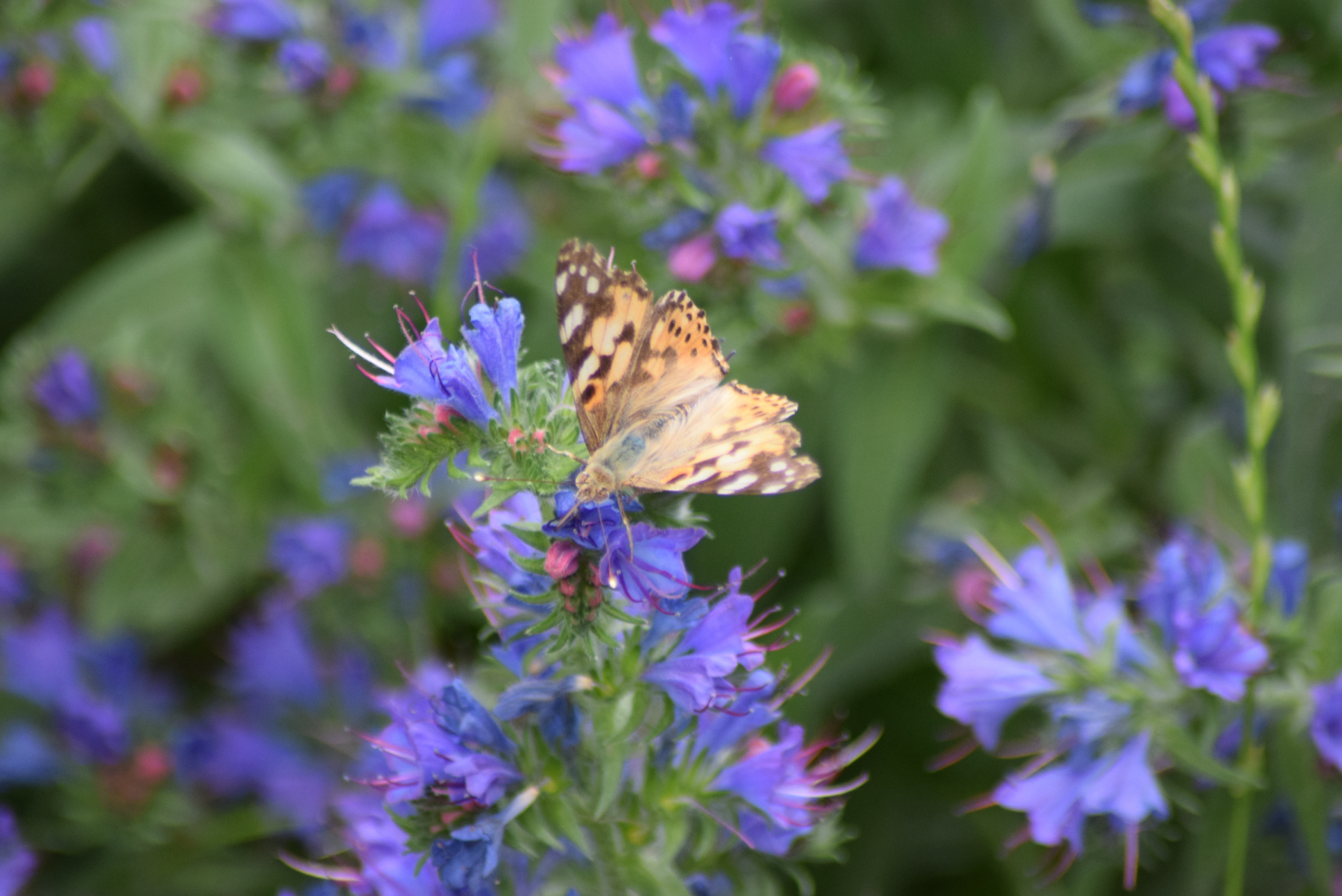
Because of its affinity for hot, dry weather, Russian sage is wonderfully low maintenance and an excellent choice for both beginner and experienced gardeners. It’s dependable, beautiful and offers a ton of colour in the late summer garden. The tall spikes of purple flowers bloom in August during the hottest times of the year and attract bees, butterflies, and other pollinators. The plant’s silvery-green leaves also provide visual interest even when it is not in full bloom, creating a soft, airy appearance that works well in many garden styles.
Caring for Russian Sage
One of the reasons Russian sage is so popular is that it requires minimal care.
- Watering: Young plants need regular watering while their roots become established. Mature plants are highly drought tolerant and usually need little extra water.
- Pruning: Cut the plant back in late winter or early spring before new growth begins. This encourages a fuller shape and healthier flowering.
- Fertilising: Russian sage generally does not need heavy feeding. Too much fertiliser can result in excessive leafy growth and fewer flowers.
- Winter care: In colder climates, leaving old stems in place over winter can provide some protection and winter interest before pruning in spring.
Final Thoughts
Russian sage is a plant that gives more than it takes and is a wonderful example of how a garden plant can be both attractive and practical.