
Planning an Easy-to-Maintain Garden: Spend Less Time Working and More Time Enjoying
For many people, the dream garden isn’t necessarily one that’s packed with exotic plants or requires hours of work every weekend. Instead, it’s a garden that looks attractive throughout the year, supports wildlife, and remains manageable alongside work, family commitments, and everything else life throws our way.
The good news is that a low-maintenance garden doesn’t have to be boring. With some careful planning and sensible plant choices, you can create an outdoor space that looks fantastic while requiring far less effort to keep it that way.
The key is to think about maintenance before you start planting.
What Does "Low Maintenance" Really Mean?
A common misconception is that low maintenance means no maintenance.
Unfortunately, every garden requires some level of care. Lawns need mowing, plants need occasional pruning, and weeds will always try to make themselves at home.
A low-maintenance garden simply reduces the amount of routine work required by:
- Choosing the right plants
- Improving soil health
- Reducing weeding opportunities
- Minimising watering requirements
- Simplifying lawn care
- Creating practical, manageable spaces
The goal is to spend more time enjoying your garden and less time constantly working in it.
Start by Being Honest About Your Time
Before designing your garden, ask yourself:
- How much time do I realistically want to spend gardening?
- Do I enjoy regular gardening tasks?
- Will I maintain the garden myself or occasionally seek professional help?
- Am I looking for a tidy formal appearance or a more natural style?
There’s no right or wrong answer.
A garden that suits your lifestyle is far more enjoyable than one that constantly feels like another item on your to-do list.
Reduce the Amount of Lawn
Lawns are often the most maintenance-intensive part of a garden.
While many people love having a lawn, it’s worth considering whether you need as much grass as you currently have.
Reducing or removing a lawn altogether can significantly cut down on:
- Mowing time
- Lawn feeding
- Scarification and aeration
- Edge maintenance
- Watering during dry periods
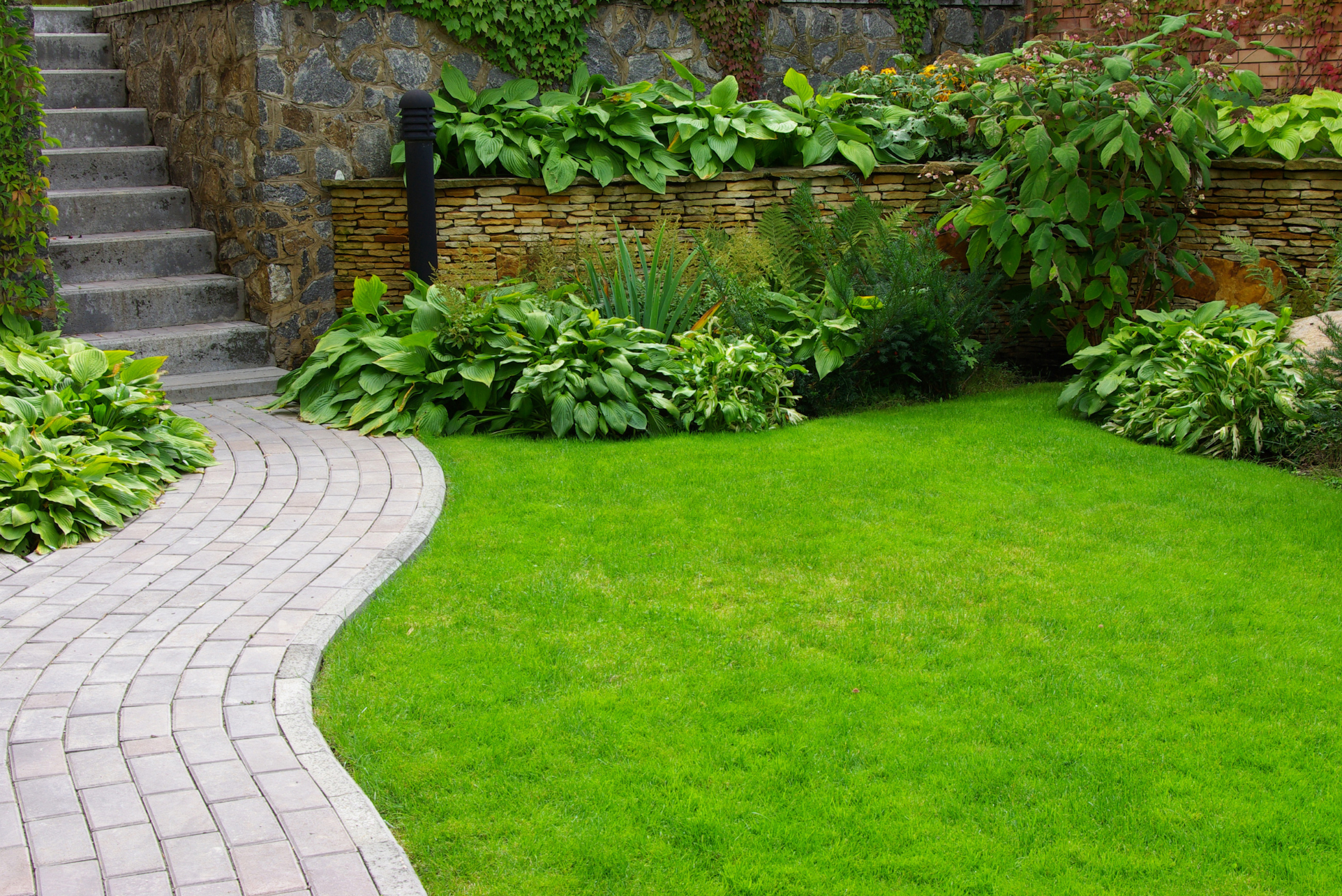
Replacing sections of lawn with planting beds, gravel areas, wildlife planting, or seating spaces can create more interest while reducing upkeep.
Choose the Right Plants
One of the biggest causes of garden maintenance is simply choosing plants that aren’t suited to the conditions.
Plants growing happily in the right location require:
- Less watering
- Less feeding
- Less pruning
- Fewer pest and disease treatments
When selecting plants, consider:
- Sun or shade
- Soil type
- Exposure to wind
- Available space at maturity
Remember, that small shrub in a pot at the garden centre may eventually become several metres wide.
Focus on Long-Lived Perennials and Shrubs
Perennials and shrubs provide structure and interest year after year without the need for constant replanting.
Some excellent low-maintenance choices include:
Shrubs
- Lavender
- Hebe
- Potentilla
- Escallonia
- Choisya
- Skimmia
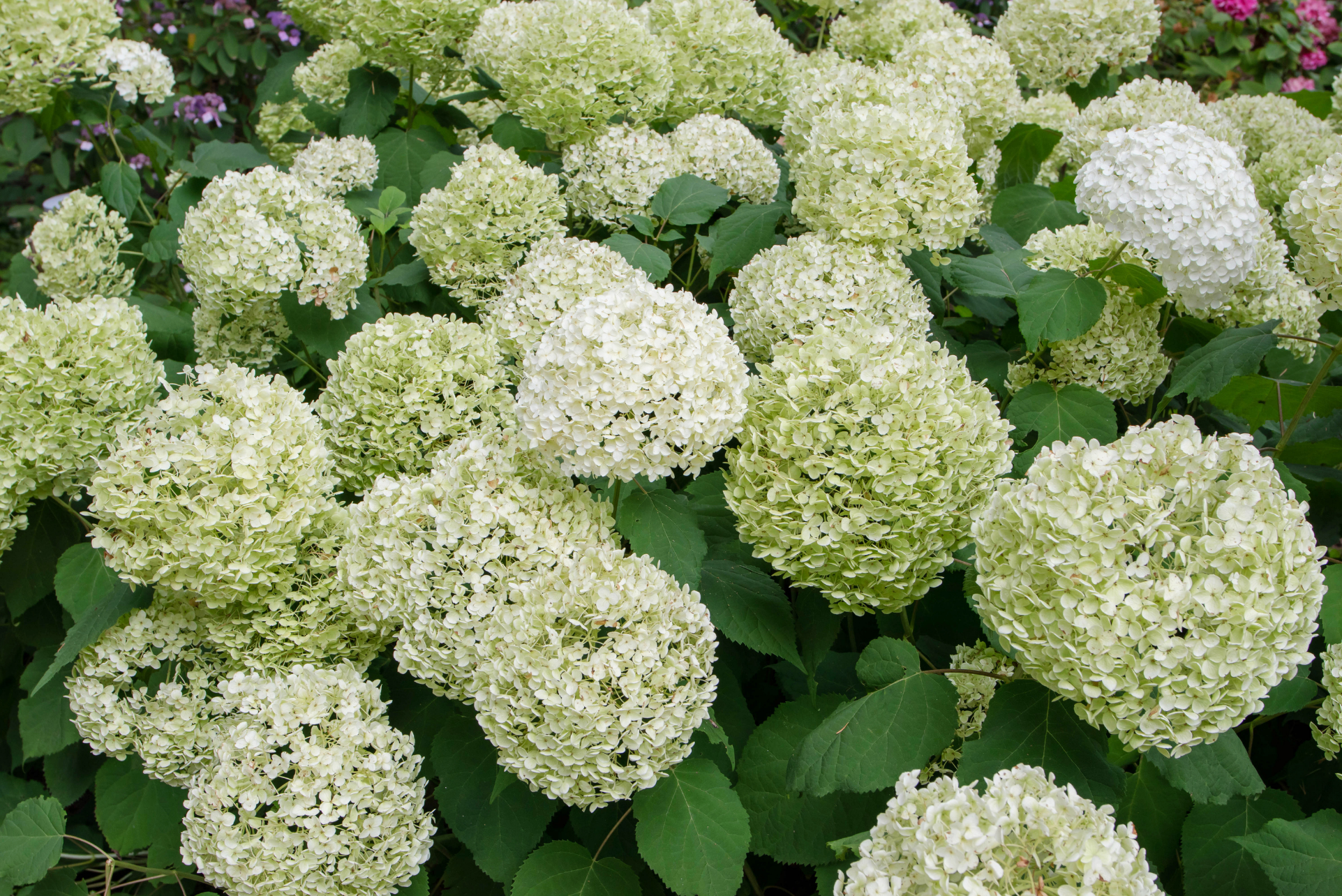
- Hydrangea
Perennials
- Geranium Rozanne
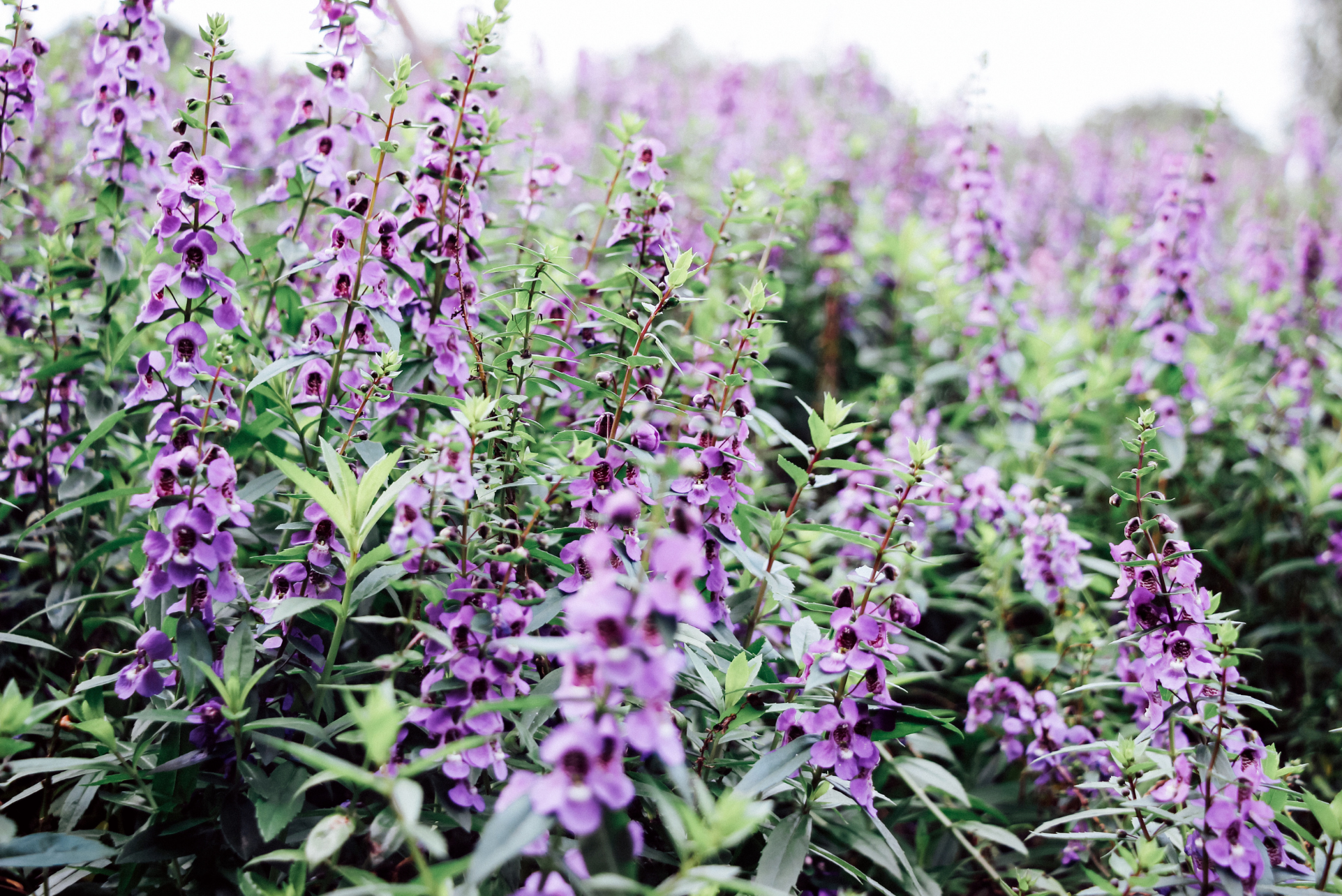
- Verbena Bonariensis
- Sedum
- Salvia
- Rudbeckia
- Achillea
- Echinacea
Many of these plants also provide valuable nectar for pollinators.
Mulch Generously
Mulching is one of the simplest ways to reduce maintenance.
A layer of organic mulch can:
- Suppress weeds
- Retain soil moisture
- Improve soil health
- Reduce temperature fluctuations
- Improve the appearance of borders
A few hours spent mulching can save many hours of weeding throughout the year.
Plant Densely
Bare soil is an invitation for weeds.
By planting borders generously, you can:
- Shade the soil
- Reduce weed germination
- Create a fuller appearance
- Retain moisture more effectively
As plants mature, they naturally form a living mulch that helps suppress unwanted growth.
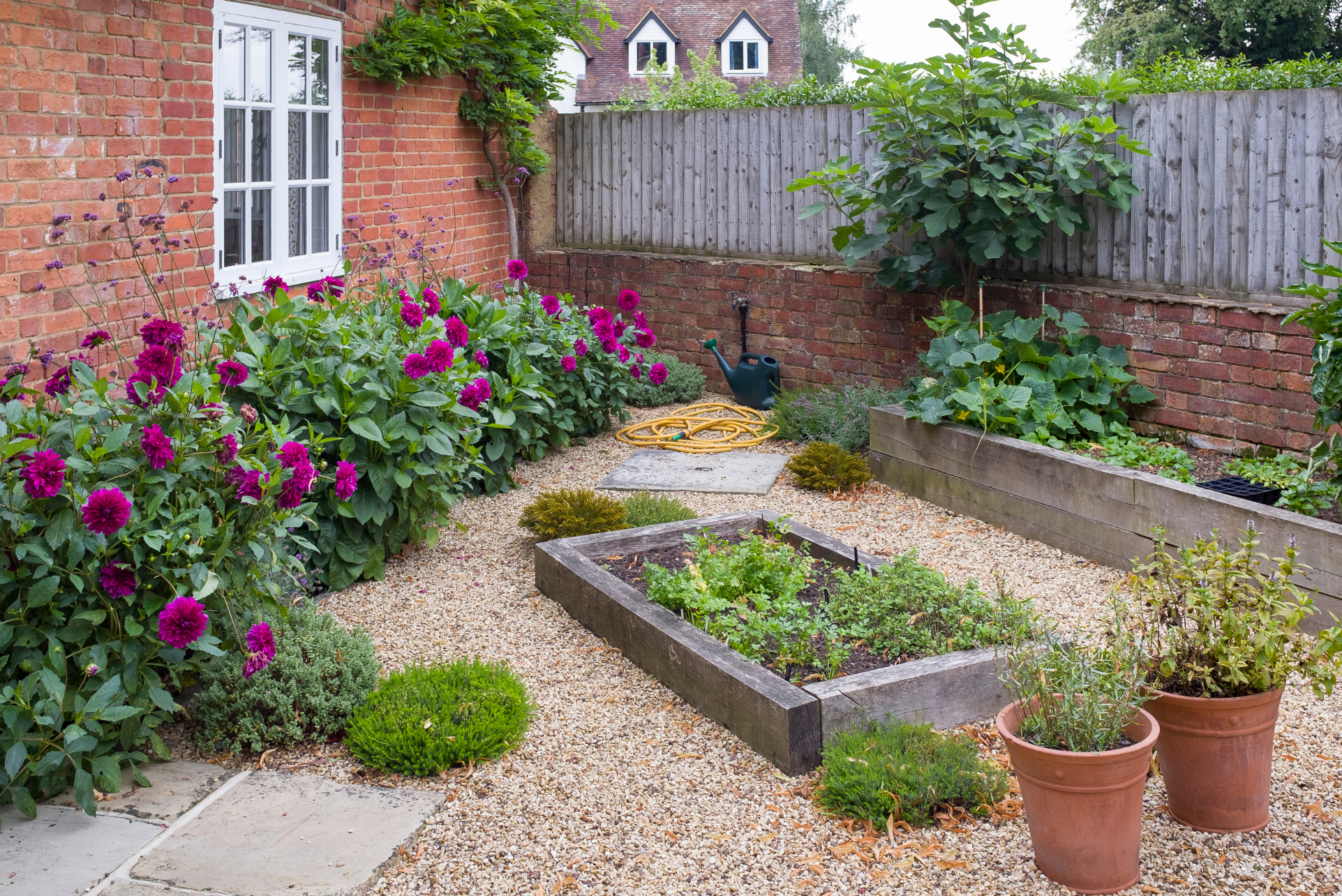
Consider Raised Beds
Raised beds can make maintenance easier by:
- Improving drainage
- Reducing soil compaction
- Making planting areas easier to access
- Creating clearly defined spaces
They can be particularly useful for vegetable growing or for gardeners who prefer to minimise bending and kneeling.
Think Carefully About Hard Landscaping
Patios, pathways, and gravel areas can reduce maintenance, but only if designed correctly.
Poorly installed hard landscaping often creates more work through:
- Weed growth
- Sinking surfaces
- Poor drainage
- Moss and algae build-up
Investing in quality preparation usually pays dividends in the long term.
Create Wildlife-Friendly Areas
Wildlife-friendly gardening and low-maintenance gardening often go hand in hand.
Consider:
- Pollinator-friendly planting
- Wildflower areas
- Native shrubs
- Bird-friendly planting
- Small log piles for insects
These features can add interest while often requiring less intervention than highly formal planting schemes.
Use Containers Sparingly
Containers can look beautiful, but they are often one of the most maintenance-heavy elements in a garden.
Pots typically require:
- Frequent watering
- Regular feeding
- Seasonal replanting
If you’re aiming for a lower-maintenance garden, use containers as focal points rather than relying on large numbers of them.
Improve Your Soil
Healthy soil makes everything easier.
Plants growing in healthy soil are generally:
- More resilient to drought
- Less susceptible to disease
- Better able to access nutrients
- Stronger overall
Adding compost and organic matter regularly can significantly reduce problems in the future.
Plan for Year-Round Interest
An easy-to-maintain garden shouldn’t look good for only a few weeks each year.
Include plants that provide interest across the seasons:
Spring
- Bulbs
- Primroses
- Flowering shrubs
Summer
- Lavender
- Salvia
- Verbena
- Roses
Autumn
- Asters
- Sedum
- Ornamental grasses
Winter
- Evergreen shrubs
- Colourful stems
- Structural planting
A well-planned garden continues to provide enjoyment without requiring constant reworking.
Don't Be Afraid to Keep It Simple
One of the biggest mistakes gardeners make is trying to include too many different plants and features.
Often, a simple design using a smaller number of reliable plants creates a more attractive and easier-to-maintain garden than a collection of dozens of different species.
Repetition creates impact.
Simplicity creates ease of maintenance.
Need Help Planning Your Garden?
At 4AllSeasons Gardeners, we understand that every garden and every gardener is different.
Whether you’re looking to redesign an existing garden, reduce maintenance demands, improve biodiversity, or simply make your outdoor space easier to manage, we’re always happy to offer free advice by email.
Send us a few photographs and tell us a little about how you’d like to use your garden. We’ll do our best to suggest practical ideas that suit your space, lifestyle, and budget.
We believe that everyone should be able to enjoy a healthy, attractive garden—whether they have hours to spend gardening each week or just a few spare moments.
Final Thoughts
The easiest gardens to maintain aren’t necessarily the smallest or simplest. They’re the ones that have been carefully planned around the people who use them.
By choosing suitable plants, improving your soil, reducing unnecessary lawn areas, and embracing practical design, you can create a garden that looks great throughout the year without demanding constant attention.
A little planning at the start can save countless hours of work in the years ahead—and leave you with more time to simply sit back and enjoy your garden.