
How to Repair Bare Patches In Your Lawn
A lush, healthy lawn is something many homeowners take great pride in. In fact, the lawn often occupies the largest area of the garden and is usually one of the first things visitors notice. Whether it’s a space for children to play, somewhere to relax on a summer’s day, or simply a backdrop for your planting schemes, a well-maintained lawn can transform the appearance of your garden.
Unfortunately, bare patches can quickly spoil the overall look. These areas can develop for a number of reasons, including heavy foot traffic, pet damage, drought, pests, disease, or even poor soil conditions. The good news is that most bare patches are relatively straightforward to repair.
Here’s our step-by-step guide to restoring your lawn to its best.
Step 1: Identify the Cause
Before carrying out any repairs, it’s important to understand why the grass has disappeared in the first place. If the underlying problem isn’t addressed, the bare patch is likely to return.
Common causes include:
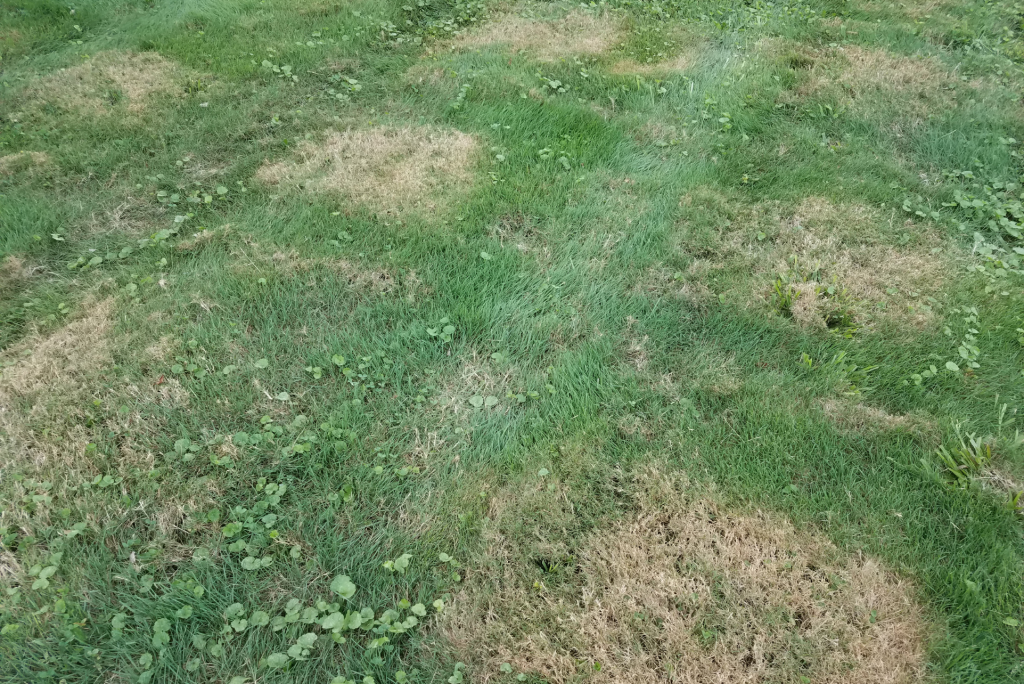
- Pet urine – Often appears as yellow or brown patches with a ring of darker green grass around the edge.
- Heavy foot traffic – Frequently used routes become compacted and worn, preventing healthy grass growth.
- Drought stress – Extended dry periods can leave grass brown, thin, and patchy.
- Leatherjackets and chafer grubs – These pests feed on grass roots, causing the turf to loosen and die back.
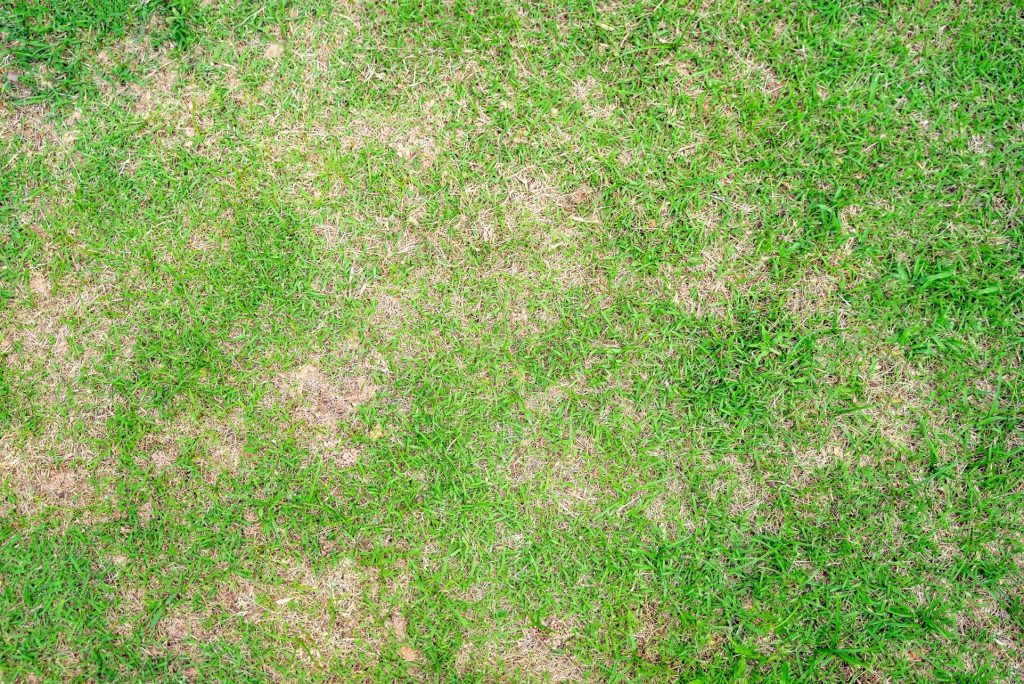
- Fungal diseases – Circular or irregular brown patches may indicate a lawn disease.
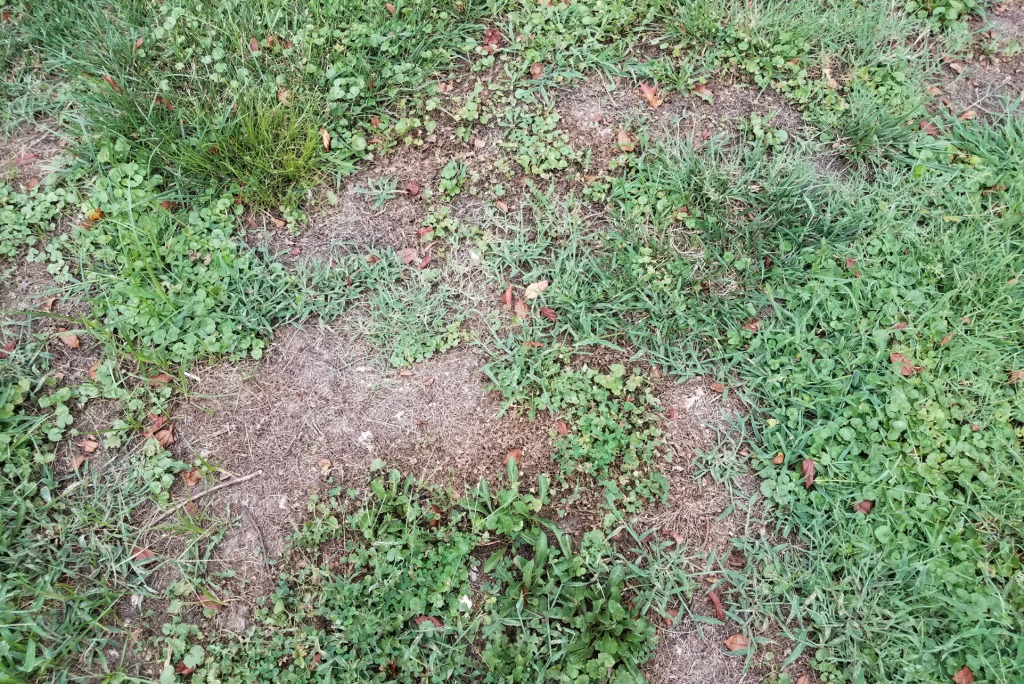
- Weed removal – Large weeds can leave bare areas behind once removed.
Taking a little time to diagnose the problem now will help ensure a successful repair.
Step 2: Choose the Right Repair Method
Option A: Reseeding (Best for Most Bare Patches)
For most lawns, reseeding is the simplest and most cost-effective solution.
Best Time to Reseed in the UK
| Season | Suitability |
| Spring (March–May) | Good, as soil temperatures begin to rise |
| Autumn (September–October) | Ideal, with warm soil and reliable rainfall |
| Summer | Possible, but requires regular watering |
| Winter | Not recommended |
What You’ll Need
- Grass seed that matches your existing lawn
- Garden rake
- Topsoil or compost (optional)
- Lawn fertiliser suitable for new grass
- Watering can or hose with a fine spray
How to Reseed a Bare Patch
- Prepare the area
Remove any dead grass, weeds, stones, or debris. - Loosen the soil
Lightly rake the surface to create a fine seed bed. - Improve the soil (optional)
Add a thin layer of quality topsoil or compost if the soil is poor. - Apply the seed
Scatter the seed evenly across the area, following the recommended application rate. - Lightly rake again
Gently work the seed into the top layer of soil to improve contact. - Firm the area
Lightly tread or roll the surface to ensure good seed-to-soil contact. - Water carefully
Keep the area consistently moist during germination without allowing it to become waterlogged.
Most lawn seed will begin germinating within 7–21 days, depending on temperature and weather conditions.
Option B: Turf Patching (For Instant Results)
If you want an immediate improvement, replacing the area with fresh turf can be an excellent option.
How to Patch with Turf
- Cut a piece of turf to match the size and shape of the bare patch.
- Remove any dead grass and loosen the soil underneath.
- Level the area if necessary.
- Lay the turf firmly in place, ensuring the edges fit tightly.
- Water thoroughly and keep the turf moist while it establishes.
New turf typically takes a few weeks to root into the surrounding soil.
Step 3: Aftercare
The first few weeks are crucial to the success of your repair.
Watering
Keep newly seeded or turfed areas consistently moist. During dry weather, this may mean watering once or twice a day.
Mowing
Wait until the new grass reaches around 7–8cm before its first cut. Make sure mower blades are sharp and avoid removing more than one-third of the grass height in a single mow.
Avoid Foot Traffic
Try to keep children, pets, and garden activities away from the repaired area for at least three to four weeks.
Common Mistakes to Avoid
| Mistake | Why It Causes Problems |
| Using the wrong grass seed | The repaired area may look noticeably different from the rest of the lawn |
| Overwatering | Encourages disease and can wash seed away |
| Underwatering | Prevents successful germination |
| Cutting new grass too soon | Weakens young plants before they’re established |
| Ignoring the original cause | Bare patches are likely to reappear |
Seasonal Lawn Repair Tips
Spring
A great time for lawn repairs as temperatures rise and grass begins actively growing again.
Summer
Repairs are possible, but young grass will need more frequent watering during hot weather.
Autumn
Generally considered the best time to repair lawns in the UK. Warm soil temperatures combined with increased rainfall create ideal growing conditions.
Winter
Grass growth slows dramatically. It’s usually best to wait until spring unless carrying out dormant overseeding.
Final Thoughts
Repairing bare patches doesn’t have to be difficult. With the right preparation, quality seed or turf, and a little patience, even the most worn areas can recover remarkably well.
Remember, the key is not just repairing the damage, but understanding what caused it in the first place. Address the underlying issue and your lawn will have the best chance of remaining thick, healthy, and green throughout the year.
If your lawn has extensive bare patches, recurring problems, or signs of pest or disease damage, professional advice can help identify the cause and get your lawn back on track.
Need Help with Your Lawn?
At 4AllSeasons Gardeners, we’re always happy to offer friendly advice and guidance, whether you’re tackling a small bare patch or looking to improve the overall health of your lawn. If you’re unsure which grass seed to use, struggling to identify the cause of a problem, or simply want a second opinion, feel free to get in touch with us by email.
Of course, if you’d rather leave the hard work to the professionals, we can help with that too. From lawn repairs and overseeding to ongoing lawn care and garden maintenance, our experienced team can restore your lawn and keep it looking its best throughout the year.
No question is too small – we’re always happy to help.