
Plant of the Month September: Heathers
What is Heather?
Heathers are low-growing shrubs belonging mainly to the heath family, Ericaceae. They are often associated with windswept moorlands and heathland, but many varieties make excellent garden plants.
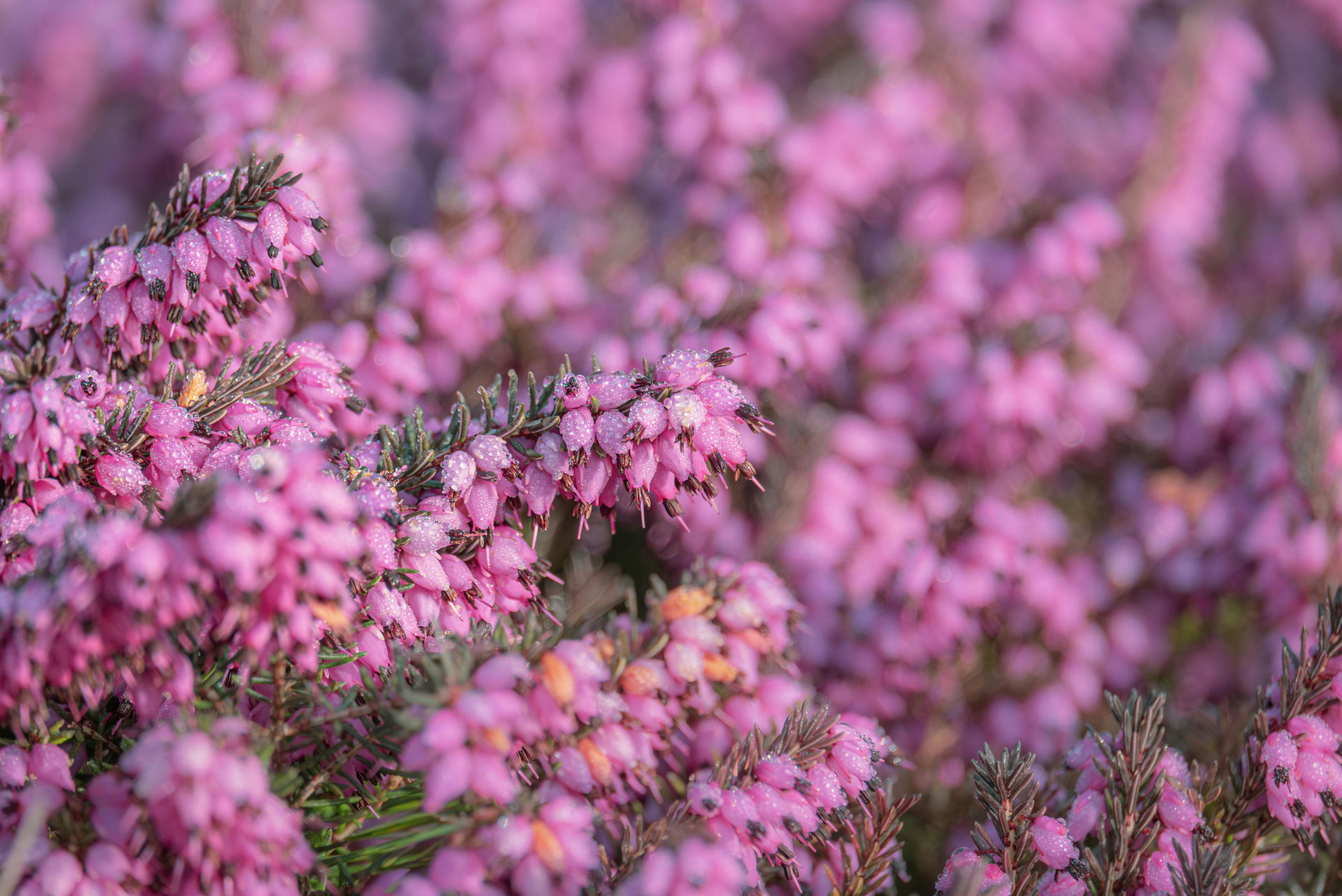
Different types flower at different times of year. Some bloom in winter and early spring, while others provide their main display during summer or autumn. Flowers can range from white and soft pink to vibrant purple and red, while the foliage itself may be green, golden, bronze or silvery.
This variety makes it possible to combine different heathers for a long-lasting display.
Why Grow Heathers?
One of the biggest attractions of flowering heathers is their versatility. Their compact growth habit makes them suitable for both large gardens and smaller spaces.
They can be planted along paths, used as ground cover, grouped together to create a colourful bank, or grown in pots and containers. Their dense foliage also helps provide structure when other flowering plants have finished for the season.
Many heathers are also relatively low-maintenance once established. They generally prefer sunny positions and well-drained, acidic soil, making them particularly suitable for gardens with ericaceous growing conditions.
Caring for Heathers
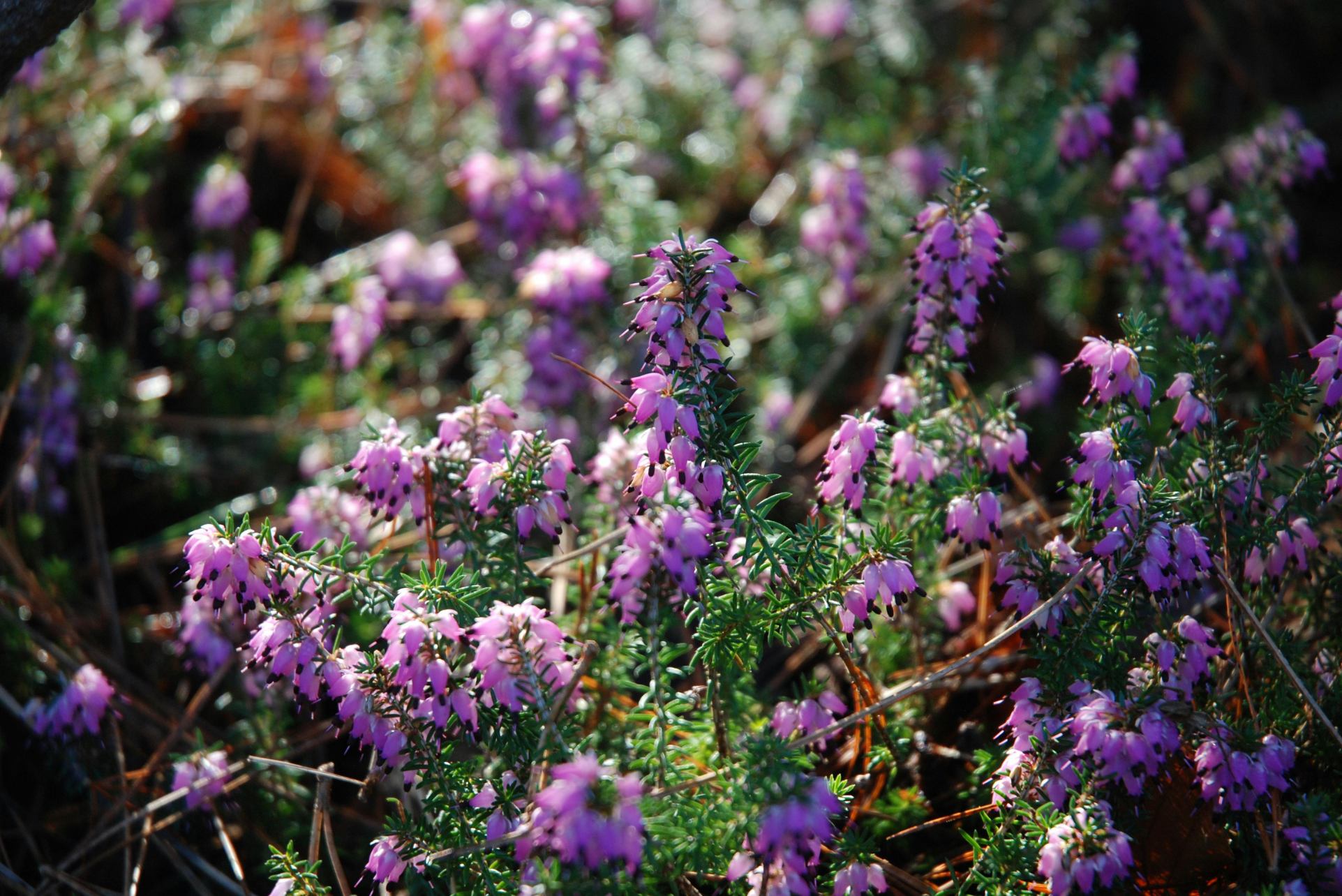
Heathers generally perform best in a sunny location. Good drainage is important because their roots can suffer in permanently waterlogged soil. Many popular heathers prefer acidic soil. If your garden soil is alkaline, growing them in containers filled with suitable ericaceous compost can be a simple alternative.
When planting, give each plant enough space to develop while still positioning them close enough to create an attractive group. Water newly planted heathers regularly until they become established, particularly during dry weather.
A light trim after flowering can help maintain a compact shape and encourage fresh growth. Avoid cutting deeply into old, woody stems, as heathers may not always regenerate well from bare wood.
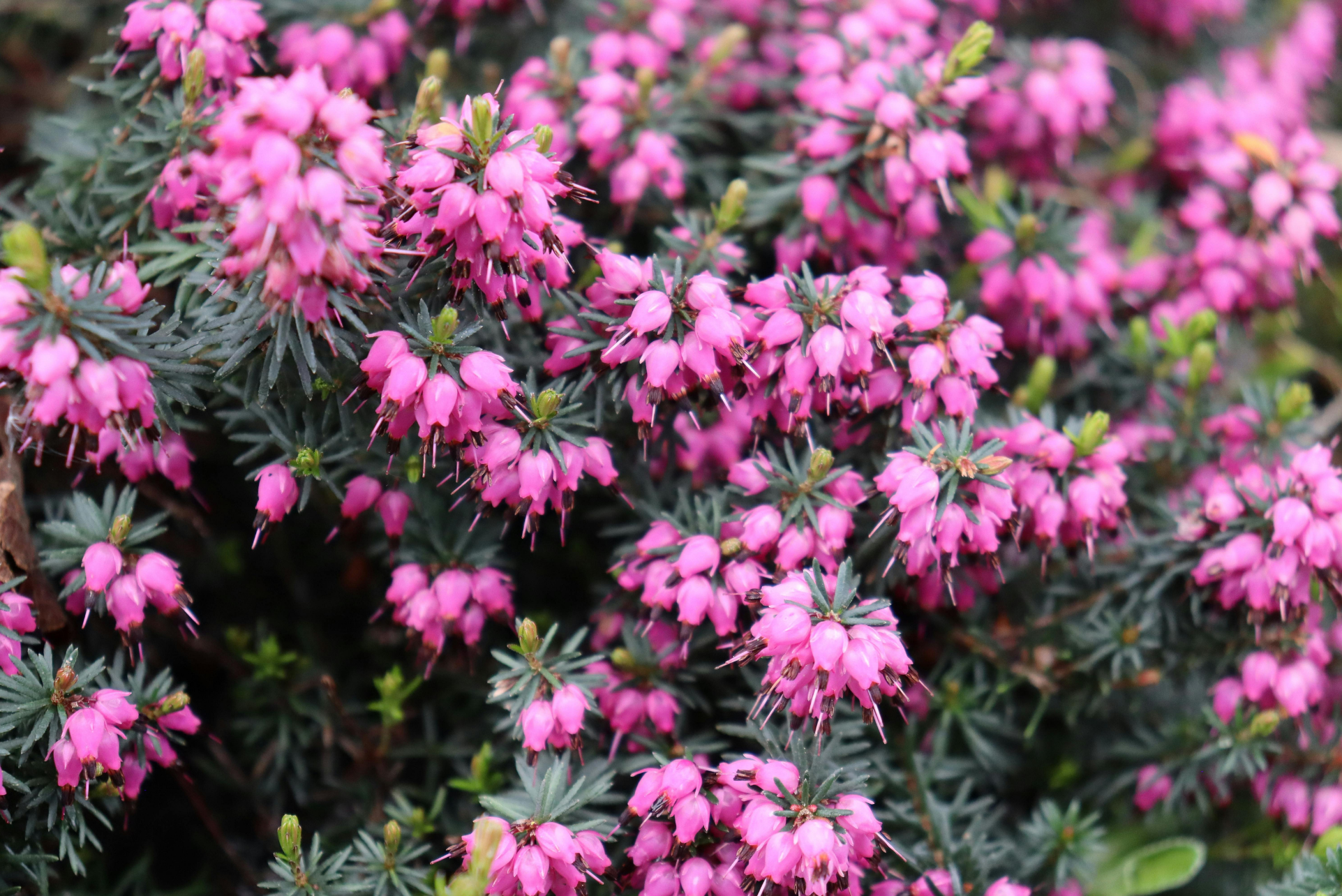
Autumn-flowering heathers are especially useful for extending the gardening season. Their rich pinks, purples and whites can complement autumn foliage and late-season planting.
Winter-flowering heathers can bring much-needed colour to the garden during the colder months. Their flowers stand out beautifully against evergreen foliage and can provide an early source of nectar for insects on mild winter days.
Summer-flowering varieties offer a different look, often producing abundant flowers during the warmer months. These can work particularly well alongside other low-growing perennials and shrubs.
Final Thoughts
If you’re looking for a plant that can provide colour, texture and plenty of character without demanding constant attention, flowering heathers are well worth considering.