
How to Improve Garden Soil: The Foundation of a Healthy British Garden
If there’s one thing that makes the biggest difference to a garden’s success, it isn’t expensive plants, fancy landscaping, or specialist tools—it’s the soil.
Healthy soil is the foundation of everything. It feeds plants, holds moisture, supports roots, and determines how well your garden performs throughout the year. In many cases, if plants are struggling, the problem isn’t the plant at all—it’s the soil they’re growing in. By properly preparing your soil before planting, this will be a thing of the past!
The good news is that soil can be improved over time with simple, consistent effort.
Why Soil Matters So Much
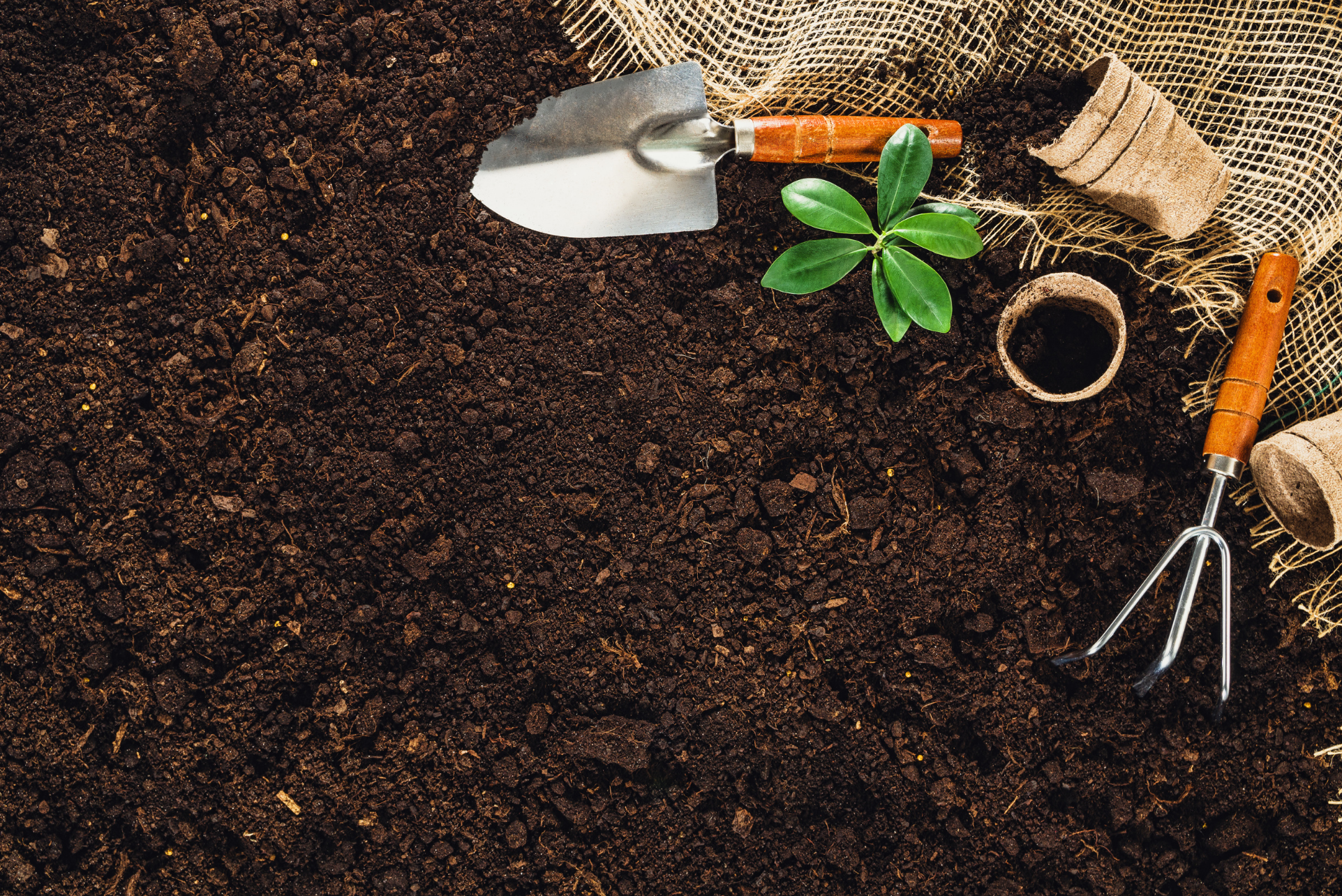
Soil isn’t just “dirt”. It’s a living system made up of minerals, organic matter, water, air, and billions of microorganisms.
Good garden soil should:
- Drain well but still hold moisture
- Contain organic matter (humus)
- Be full of beneficial microbes and worms
- Allow roots to spread easily
- Provide a steady supply of nutrients
When soil is compacted, poor in nutrients, or lacking structure, plants struggle no matter how well they are cared for.
Understanding Your Soil Type
Before improving your soil, it helps to understand what you’re working with.
Clay Soil
Common in many parts of the UK, clay soil is heavy and sticky when wet, and hard when dry.
Challenges:
- Poor drainage
- Easily compacted
- Slow to warm up in spring
Benefits:
- Rich in nutrients
- Holds water well
Sandy Soil
Light, gritty soil that drains quickly.
Challenges:
- Dries out quickly
- Low in nutrients
Benefits:
- Easy to dig
- Warm in spring
Loamy Soil (Ideal)
A balanced mix of sand, silt, and clay.
Benefits:
- Good drainage
- Retains moisture
- Rich in nutrients
- Easy for roots to grow
Most gardens are a mix of soil types, and the aim is always to move closer to a healthy, balanced structure.
The Golden Rule: Add Organic Matter
If you do nothing else, this is the most important step.
Adding organic matter improves almost every soil type.
Good organic materials include:
- Garden compost
- Well-rotted manure
- Leaf mould
- Composted bark
- Soil improvers
What It Does:
Organic matter helps:
- Improve soil structure
- Increase nutrient levels
- Retain moisture in dry soils
- Improve drainage in heavy soils
- Encourage earthworms and beneficial microbes
Over time, regular additions can completely transform poor soil.
Mulching: The Secret to Long-Term Improvement
Mulching is one of the simplest and most effective soil improvement techniques.
A mulch is simply a protective layer placed on top of the soil.
Common mulches include:
- Compost
- Bark chips
- Leaf mould
- Well-rotted manure
Benefits of Mulching
- Suppresses weeds
- Retains moisture
- Regulates soil temperature
- Improves soil structure as it breaks down
- Reduces erosion
A yearly mulch can make a noticeable difference within just a couple of seasons.
Improve Drainage in Heavy Soil
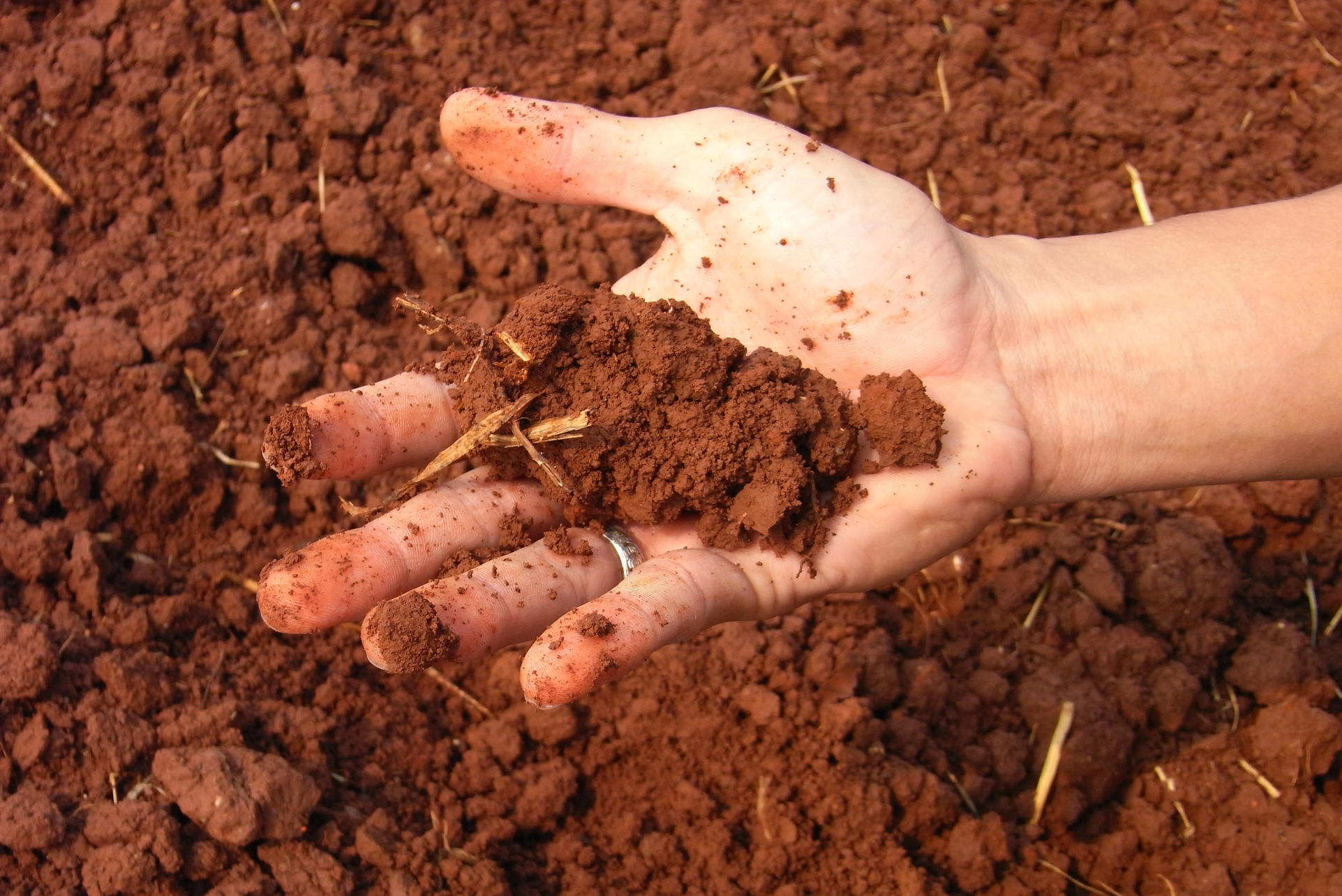
Poor drainage is one of the most common problems in British gardens, especially in clay-heavy areas.
How to Improve It
- Dig in organic matter regularly
- Avoid walking on wet soil to prevent compaction
- Create raised beds in problem areas
- Add grit or horticultural sand (in moderation and combined with organic matter)
- Install drainage channels where necessary
Improving structure is far more effective than trying to “force” drainage alone.
Improve Water Retention in Sandy Soil
Sandy soil behaves in the opposite way—it drains too quickly and struggles to hold nutrients.
How to Improve It
- Add compost and manure frequently
- Use mulch to reduce evaporation
- Grow ground-cover plants to shade soil
- Water deeply rather than little and often
Over time, organic matter helps sandy soil behave more like a healthy loam.
The Power of Soil Life
Healthy soil is alive.
Worms, fungi, bacteria, and microorganisms all play a vital role in breaking down organic matter and releasing nutrients to plants.
To support soil life:
- Avoid overuse of chemicals
- Minimise digging where possible
- Add compost regularly
- Keep soil covered with plants or mulch
A thriving soil ecosystem naturally improves plant health.
Consider the No-Dig Approach
The no-dig method is becoming increasingly popular in UK gardening.
Instead of turning the soil every year, organic matter is added on top and left to work naturally into the soil.
Benefits include:
- Less disturbance to soil life
- Fewer weeds over time
- Improved soil structure
- Better moisture retention
- Reduced physical effort
While not essential for every garden, it can be particularly effective in vegetable beds and borders.
Improve Soil Compaction
Compacted soil restricts root growth and reduces air flow.
Signs of compaction:
- Water pooling on the surface
- Hard, difficult-to-dig ground
- Poor plant growth
How to fix it:
- Fork the soil gently to relieve compaction
- Add organic matter to improve structure
- Avoid walking on planting areas
- Use stepping stones or designated paths
Aeration allows roots to breathe and grow more freely.
Use Green Manures
Green manures are plants grown specifically to improve soil.
They are often used in vegetable gardens or empty beds.
Common green manures include:
- Clover
- Mustard
- Phacelia
- Ryegrass
Benefits:
- Add organic matter when dug in or cut down
- Improve soil fertility
- Suppress weeds
- Prevent nutrient loss over winter
They are particularly useful for restoring tired or overworked soil.
Test and Observe Your Soil
Sometimes the simplest way to improve soil is to understand it better.
You can:
- Carry out a simple soil pH test
- Observe drainage after heavy rain
- Check for earthworm activity
- Look at plant performance over time
These observations help guide what improvements are needed.
Understanding Soil pH
Another important but often overlooked part of soil health is pH.
Soil pH is a measure of how acidic or alkaline your soil is, and it has a big influence on how well plants can absorb nutrients. Even if your soil is rich in compost and organic matter, plants may still struggle if the pH is too high or too low for their needs.
In simple terms:
- pH below 7 = acidic soil
- pH around 7 = neutral soil
- pH above 7 = alkaline soil
Most garden plants prefer a slightly acidic to neutral soil (around pH 6–7), but there are plenty of exceptions. For example, rhododendrons, azaleas, and camellias prefer more acidic conditions, while lavender and some Mediterranean plants tolerate or prefer more alkaline soil.
Why pH Matters
Soil pH affects how easily plants can access nutrients such as nitrogen, phosphorus, and iron. If the pH is too far out of balance, nutrients can become “locked up” in the soil—even if they are present—leading to poor growth, yellowing leaves, and weak plants.
How to Check Soil pH
You can test soil pH using:
- Simple home testing kits from garden centres
- Digital pH meters
- Professional soil testing services for more detailed analysis
It’s worth testing different areas of your garden, as pH can vary even over small distances.
Can You Change Soil pH?
Yes, but it should be done gradually.
- To make soil more acidic, organic matter such as leaf mould or pine-based compost can help over time.
- To make soil more alkaline, lime can be added carefully following test results and manufacturer guidance.
However, in most cases, it is easier (and more sustainable) to choose plants that suit your natural soil pH rather than trying to dramatically change it.
Be Patient—Soil Improves Over Time
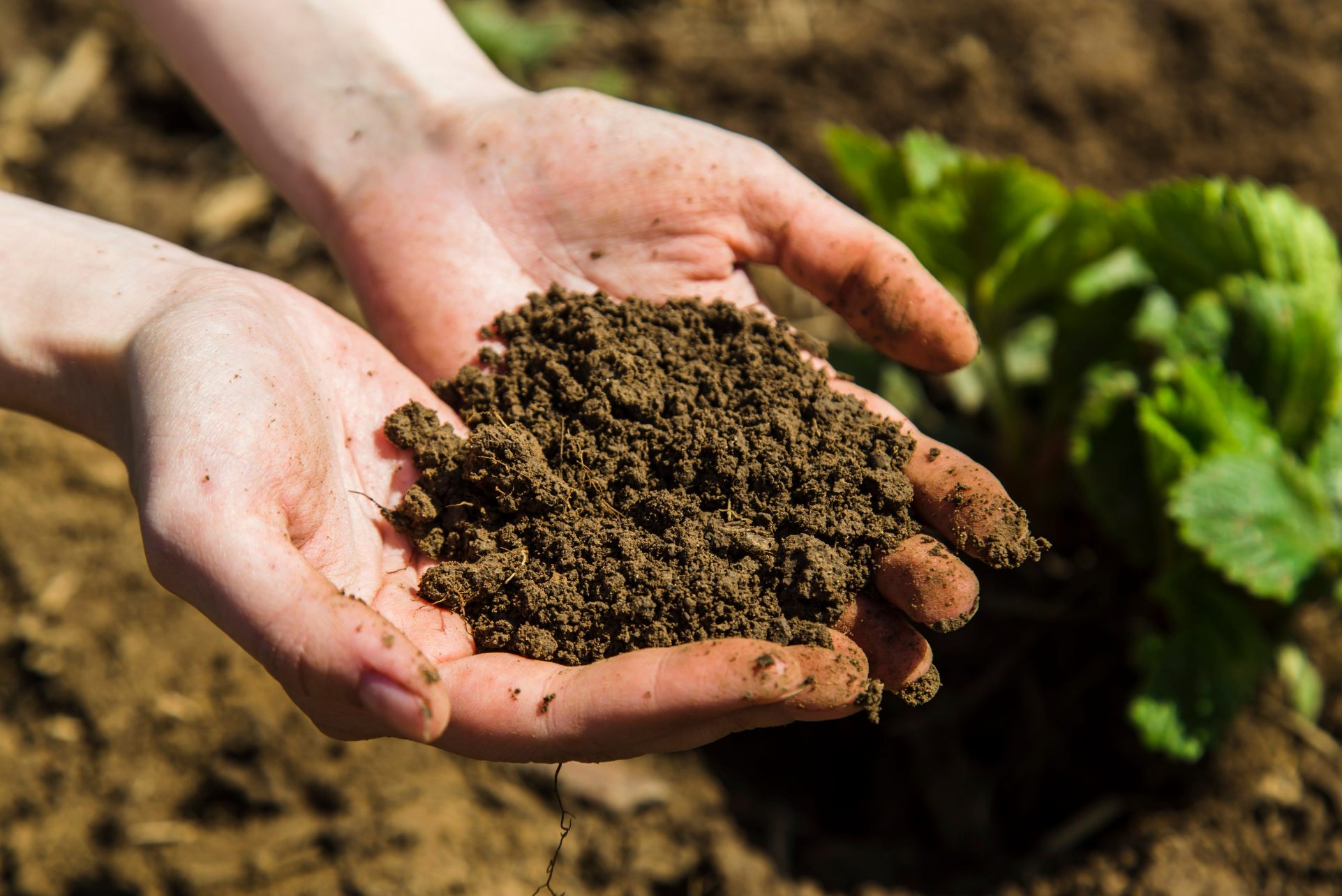
One of the most important things to understand is that soil improvement is not instant.
It takes time for organic matter to break down, soil organisms to multiply, and structure to change.
However, even small, regular improvements will build up over time and create lasting results.
Common Mistakes to Avoid
- Adding too much sand to clay soil without organic matter
- Over-digging and damaging soil structure
- Leaving soil bare for long periods
- Relying only on fertilisers without improving structure
- Ignoring drainage issues
Healthy soil is built gradually, not fixed overnight.
Final Thoughts
Improving garden soil is one of the most valuable investments you can make.
Whether your soil is heavy clay, free-draining sand, or somewhere in between, consistent additions of organic matter, sensible watering practices, and a little patience can transform your garden over time.
Get the soil right, and everything else becomes easier.
If you have any questions about your soil or would like any free advice then please don’t hesitate to contact the team.