
Gardening Through the British Weather: Making the Most of Every Season
If there’s one thing every British gardener learns quickly, it’s that the weather rarely does exactly what we’d like it to.
One week we’re reaching for the watering can, the next we’re wondering if we should have built an ark. From spring frosts and summer heatwaves to autumn storms and waterlogged winter soils, gardening in the UK often feels like a battle against the elements.
The good news is that successful gardening isn’t about fighting the weather—it’s about understanding it and working with it.
With a little planning and the right approach to garden maintenance, your space can thrive through whatever the British climate decides to throw at it.

Embrace the Unpredictability
British weather has always been changeable, but recent years have brought even greater extremes.
Many gardeners have experienced:
- Unseasonably warm winters
- Late spring frosts
- Prolonged periods of heavy rainfall
- Summer droughts and heatwaves
- Strong winds and storms
- Sudden temperature fluctuations
Rather than relying on a fixed gardening calendar, it’s often better to observe local conditions and adapt accordingly.
A task that would normally be carried out in March may need to wait until April, while a warm autumn might extend the growing season well into October.
The garden doesn’t read calendars—it responds to conditions.
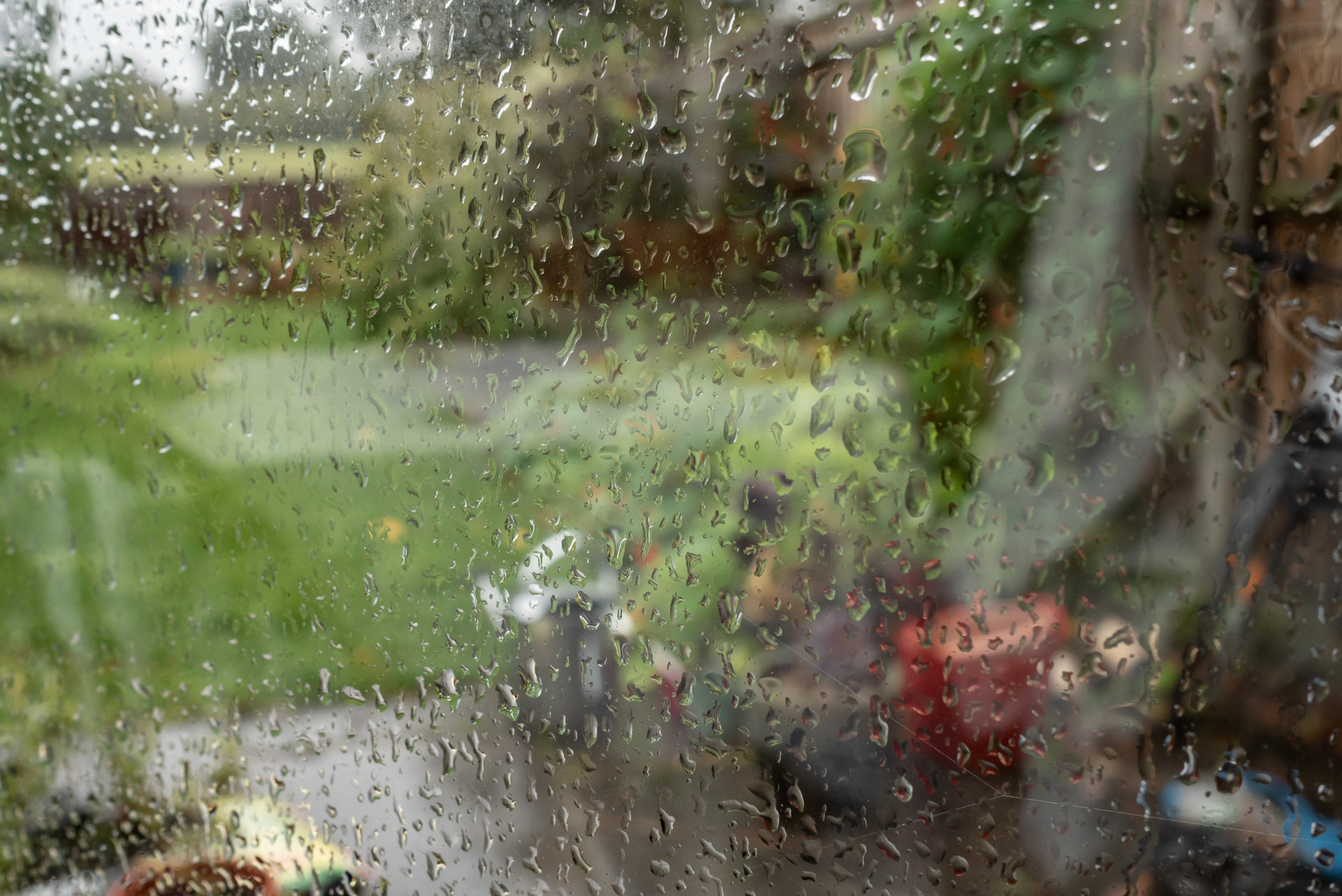
Managing Wet Weather
Many parts of the UK receive substantial rainfall throughout the year, and excessive moisture can create several challenges.
Avoid Compaction
Walking repeatedly on waterlogged lawns or borders can compact the soil, squeezing out air pockets that roots need to thrive.
If possible:
- Avoid working on saturated soil
- Use boards to spread your weight when access is necessary
- Stay off particularly wet lawns
Improve Drainage
If certain areas regularly become waterlogged, consider:
- Adding organic matter to improve soil structure
- Installing drainage channels where appropriate
- Raising planting beds
- Choosing plants that tolerate damp conditions
Watch for Disease
Damp conditions can encourage fungal diseases such as:
- Powdery mildew
- Black spot on roses
- Rust
- Leaf spot diseases
Regular inspection allows problems to be identified and managed before they spread.
Coping with Dry Spells
Although Britain is known for rain, prolonged dry periods have become increasingly common.
Water Wisely
Rather than little and often, water deeply and less frequently.
This encourages plants to develop deeper root systems, making them more resilient during future dry periods.
Early morning or evening watering also reduces evaporation.
Mulch Your Borders
A layer of organic mulch helps:
- Retain moisture
- Suppress weeds
- Improve soil health
- Regulate soil temperatures
Well-mulched borders can remain noticeably moist long after unmulched areas have dried out.
Choose Resilient Plants
Many traditional garden favourites cope surprisingly well with dry conditions once established.
Examples include:
- Lavender
- Verbena Bonariensis
- Salvia
- Sedum
- Rosemary
- Achillea
Selecting plants suited to your local conditions often reduces maintenance requirements significantly.

Protecting Plants from Frost
Late frosts catch many gardeners out every year.
Tender new growth can emerge during a warm spell, only to be damaged when temperatures suddenly drop.
Keep an Eye on Forecasts
If frost is predicted:
- Cover vulnerable plants with horticultural fleece
- Move containers to sheltered locations
- Avoid pruning tender plants too early in spring
Don't Rush to Cut Back
Leaving some plants untouched until spring can provide natural protection for crowns and emerging shoots during winter.
Dealing with Wind
Wind is often overlooked, but it can be just as damaging as drought or frost.
Strong winds can:
- Break stems and branches
- Increase moisture loss from plants
- Damage flowers
- Make young trees unstable
Create Shelter
Consider:
- Hedges
- Trellis panels
- Shrub borders
- Strategic tree planting
Unlike solid fences, which can create turbulence, planting often provides more effective long-term wind protection.
Stake Young Trees Properly
Newly planted trees may require support during their first few years while roots establish.
Regularly check ties and stakes to ensure they remain secure without restricting growth.
Choosing the Right Plants for Your Garden
One of the most effective ways to cope with British weather is to grow plants that suit your garden’s conditions.
Before planting, consider:
- Is the area sunny or shaded?
- Is the soil free-draining or prone to waterlogging?
- Is the site exposed to wind?
- Does frost linger in certain areas?
The old gardening saying remains true:
“Right plant, right place.”
Plants growing in suitable conditions are healthier, more resilient, and require far less intervention.

The Importance of Healthy Soil
Healthy soil acts as a buffer against weather extremes.
Good soil:
- Retains moisture during drought
- Drains better during wet weather
- Supports stronger root growth
- Improves plant resilience
Adding organic matter such as compost or well-rotted manure is one of the best long-term investments you can make in your garden.
In many cases, improving the soil has a greater impact than any fertiliser or treatment.
Accept That Gardens Evolve
One of the biggest lessons British gardeners learn is that no garden remains exactly the same year after year.
Some plants thrive unexpectedly.
Others struggle despite our best efforts.
Weather patterns change, trees mature, and conditions evolve.
Rather than striving for perfection, it’s often better to see gardening as a process of continual observation and adaptation.
The most successful gardens are rarely those that fight nature—they’re the ones that work alongside it.
Final Thoughts
British weather may be unpredictable, but that’s part of what makes gardening here so rewarding.
Every season brings its own challenges and opportunities. By understanding your garden’s conditions, improving your soil, choosing suitable plants, and adapting to the weather as it changes, you’ll create a more resilient and enjoyable outdoor space.
After all, gardening in Britain isn’t about waiting for perfect weather.
It’s about making the most of whatever arrives next.
Need some help or have some questions about your garden? Then don’t hesitate to get in touch with the expert team who will be happy to help.