
Create a Living Canvas: Plants That Attract Butterflies to Your Garden
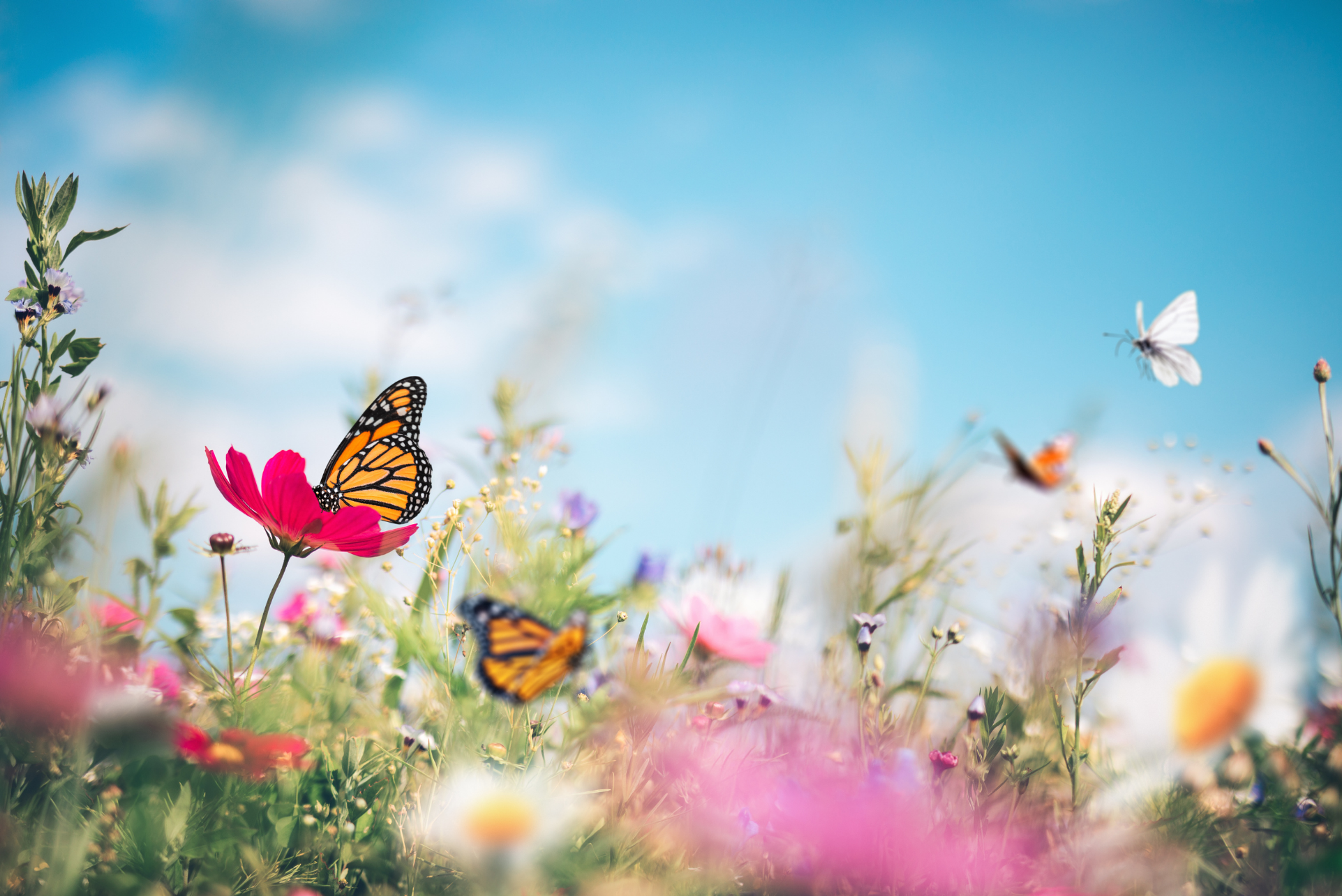
There’s something truly special about seeing butterflies flutter through your garden on a warm summer’s day. Their delicate wings and colourful patterns bring movement, beauty, and life to any outdoor space.
But butterflies aren’t just attractive visitors. They are also important pollinators that play a valuable role in supporting healthy gardens and local ecosystems.
The good news is that attracting butterflies doesn’t require acres of land or expert gardening knowledge. With the right combination of plants, even a small garden, patio, or balcony can become a welcoming habitat for these fascinating insects.
What Do Butterflies Need?
If you want to encourage more butterflies into your garden, it’s helpful to understand what they’re looking for.
Nectar-Rich Flowers
Adult butterflies feed on nectar and are particularly attracted to flowers that offer:
- Bright colours such as purple, pink, yellow, orange, and red
- Large groups of flowers rather than individual blooms
- Flat or open flower heads that provide easy landing places
- Long flowering periods throughout the growing season
Food for Caterpillars
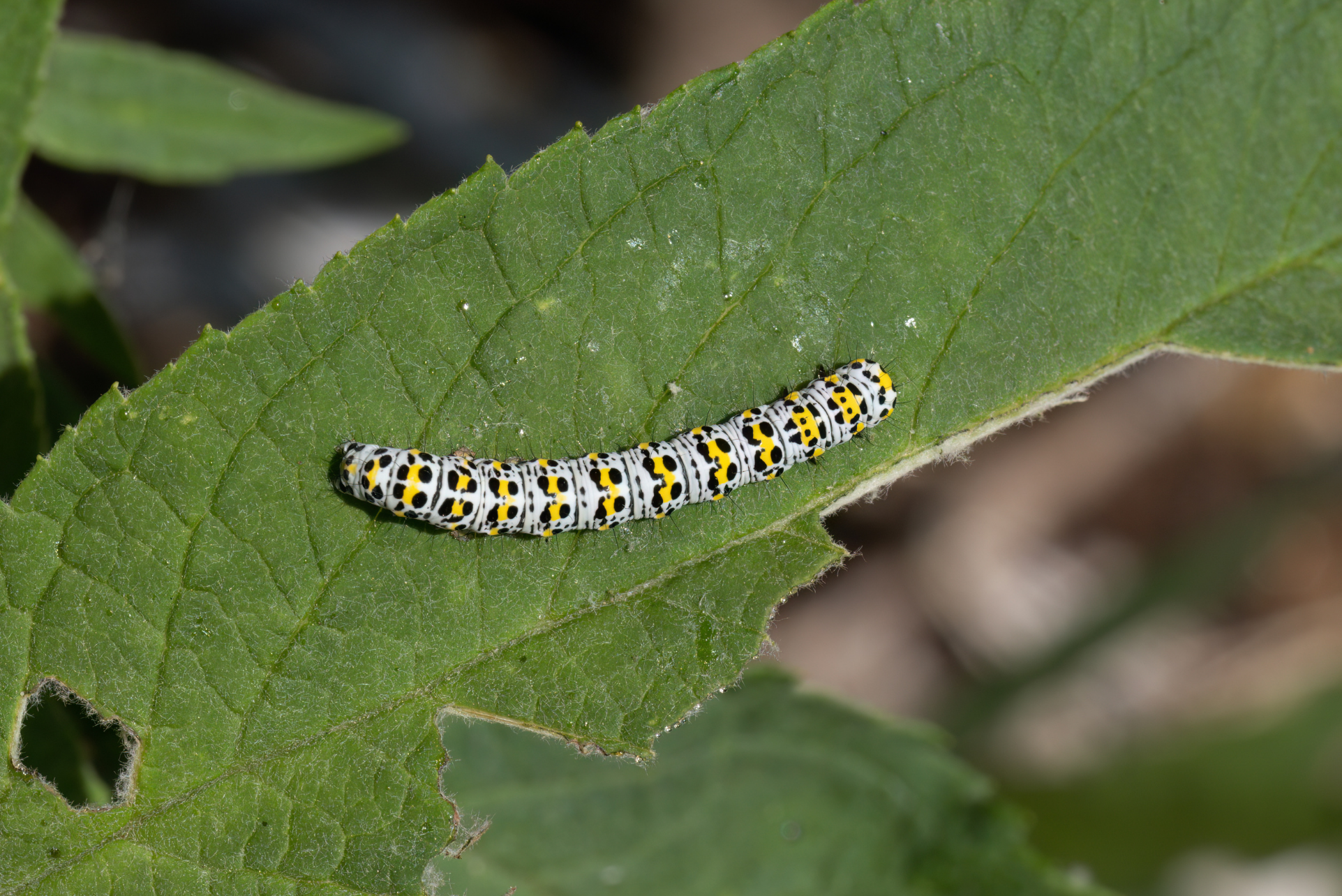
Many gardeners focus solely on attracting adult butterflies, but butterflies will only breed if suitable plants are available for their caterpillars.
A garden with nectar-rich flowers may attract visiting butterflies, but a garden that also provides food plants for caterpillars can support the entire butterfly life cycle.
Don’t be alarmed if caterpillars nibble a few leaves. A healthy garden should have room for both plants and wildlife.
The Best Plants for Attracting Butterflies
A successful butterfly garden benefits from a mixture of shrubs, perennials, annuals, and flowering herbs. By including plants that flower at different times of the year, you can provide a valuable source of nectar from spring right through to autumn.
Shrubs
Shrubs provide structure, long-lasting seasonal interest, and some of the most important nectar sources for butterflies.
|
Shrub |
Flower Colour |
Benefits |
|
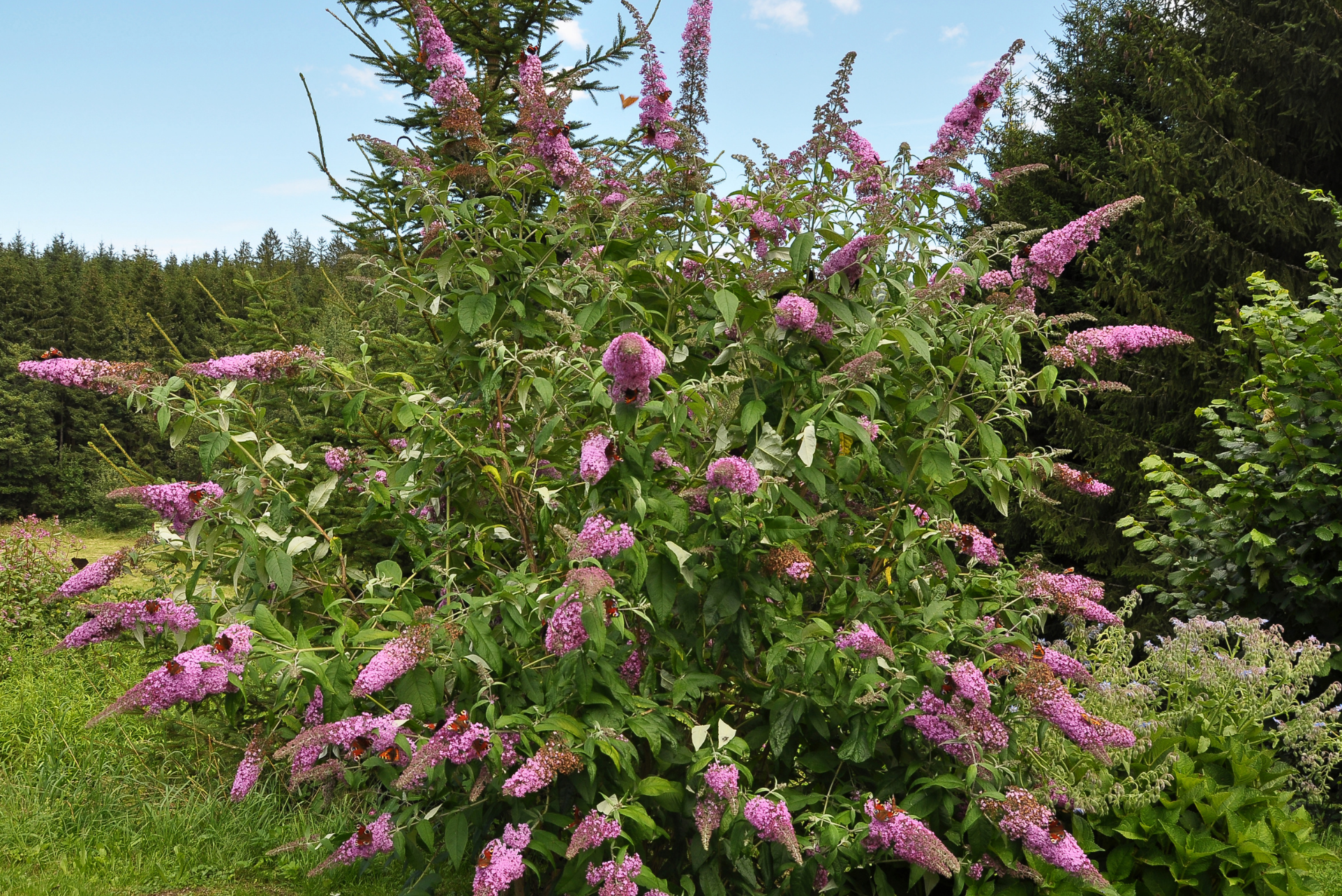
Buddleia (Butterfly Bush) |
Purple, pink, white |
One of the best butterfly-attracting plants available |
|
Lavender |
Purple, blue |
Loved by butterflies, bees, and other pollinators |
|
Hebe |
White, pink, purple |
Long flowering period and excellent for smaller gardens |
|
Ceanothus |
Blue |
Provides valuable nectar in late spring and early summer |
|
Caryopteris (Bluebeard) |
Blue |
Flowers late in the season when nectar sources are fewer |
|
Potentilla |
Yellow, orange, white |
Long flowering period and easy to maintain |
|
Escallonia |
Pink, red, white |
Attractive to pollinators and useful for hedging |
Perennials
Perennials return year after year and help create reliable feeding stations throughout the garden.
|
Plant |
Flower Colour |
Benefits |
|
Verbena Bonariensis |
Purple |
A favourite of butterflies due to its open flower clusters |
|
Echinacea (Coneflower) |
Pink, purple |
Long flowering season |
|
Sedum ‘Autumn Joy’ |
Pink-red |
Excellent late-season nectar source |
|
Asters |
Purple, pink |
Important food source in late summer and autumn |
|
Salvia |
Blue, purple, red |
Flowers over a long period |
|
Achillea (Yarrow) |
Yellow, pink, red |
Flat flower heads provide easy feeding platforms |
|
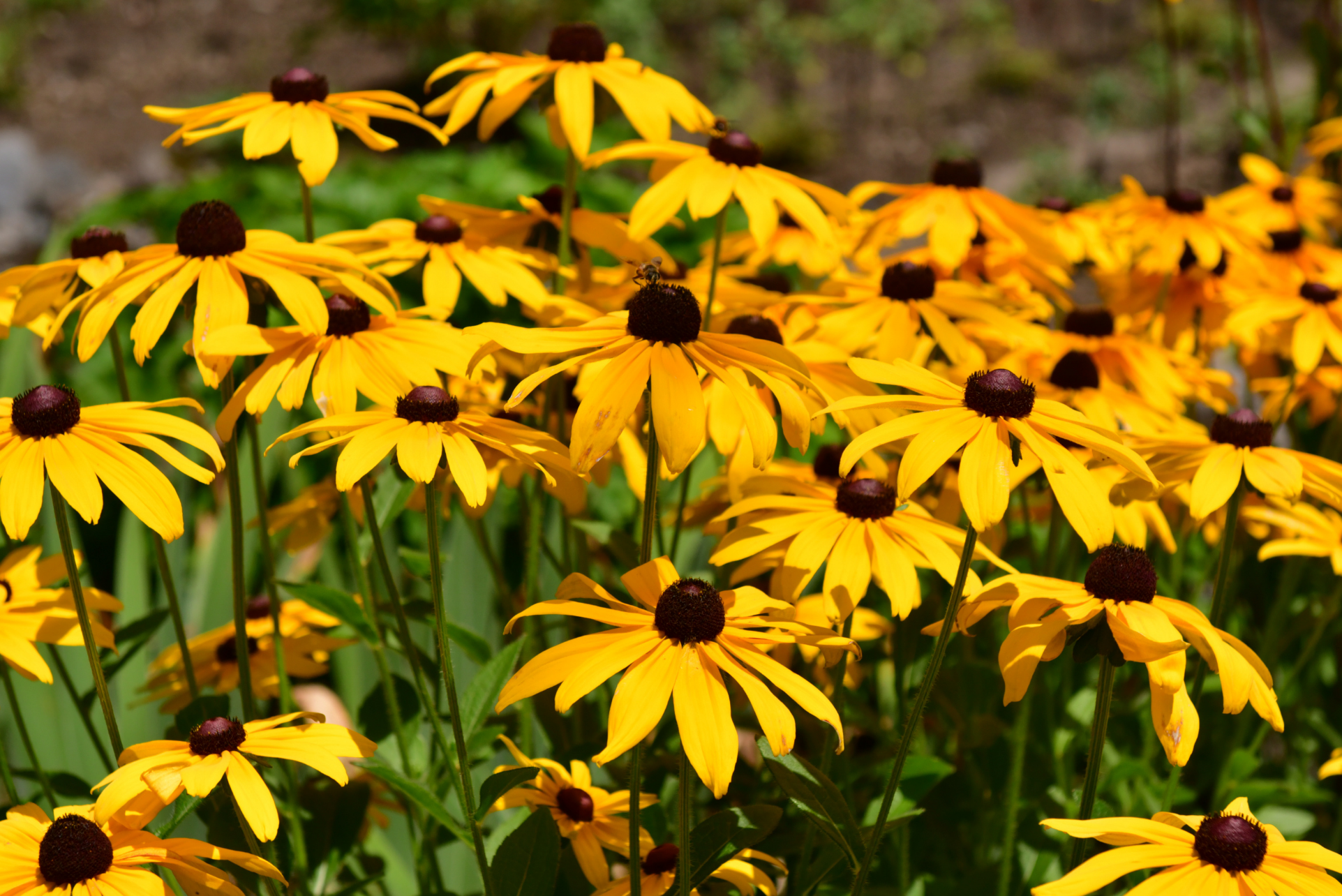
Rudbeckia |
Yellow |
Bright, long-lasting flowers loved by pollinators |
|
Scabious |
Blue, pink, purple |
Highly attractive to butterflies and bees |
Annuals
Annual flowers provide continuous colour and nectar throughout summer and can easily be grown from seed.
|
Plant |
Flower Colour |
|
Cosmos |
Pink, white |
|
Zinnia |
Various colours |
|
Marigold |
Yellow, orange |
|
Verbena |
Purple, pink |
|
Sweet Alyssum |
White, purple |
|
Sunflowers |
Yellow |
|
Nicotiana |
White, pink, lime-green |
Herbs That Butterflies Love
Many herbs are excellent for both the kitchen and wildlife.
Consider planting:
- Lavender
- Oregano
- Thyme
- Chives
- Mint (best grown in containers)
- Dill
- Fennel
- Parsley
Allowing some herbs to flower can provide valuable nectar for butterflies, bees, hoverflies, and other beneficial insects.
Plants That Support Caterpillars
Supporting butterflies means supporting every stage of their life cycle.
Some UK butterfly species rely on specific plants for their caterpillars, including:
|
Butterfly |
Caterpillar Food Plant |
|
Small Tortoiseshell |
Nettles |
|
Peacock Butterfly |
Nettles |
|
Red Admiral |
Nettles |
|
Orange Tip |
Cuckooflower and Garlic Mustard |
|
Brimstone |
Alder Buckthorn and Buckthorn |
|
Common Blue |
Bird’s-foot Trefoil |
While it may seem unusual, leaving a small wild corner of your garden can provide valuable habitat for these species.
Designing a Butterfly-Friendly Garden
Plant in Groups
Butterflies are more likely to notice larger blocks of colour than individual plants dotted around the garden.
Planting several of the same species together creates a stronger visual attraction and makes feeding easier.
Choose a Sunny Position
Butterflies rely on warmth from the sun to remain active.
Most nectar-rich plants perform best in a sunny position that receives at least six hours of sunlight each day.
Provide Water
Butterflies need water, but they prefer shallow sources.
A simple saucer filled with gravel and water can provide a safe drinking spot without the risk of drowning.
Include Places to Rest
Flat stones positioned in sunny areas provide ideal basking spots where butterflies can warm themselves throughout the day.
Avoid Pesticides Where Possible
Butterflies, caterpillars, bees, and many other beneficial insects can be affected by pesticides.
Encouraging natural predators and maintaining a healthy garden ecosystem is often a better long-term approach.
Plan for Flowers Throughout the Season
One of the best ways to support butterflies is to ensure something is flowering from spring through to autumn.
|
Season |
Recommended Plants |
|
Spring |
Aubrieta, Primrose, Wallflowers, Forget-Me-Nots |
|
Early Summer |
Lavender, Salvia, Ceanothus |
|
Summer |
Buddleia, Echinacea, Cosmos, Verbena Bonariensis |
|
Late Summer |
Sedum, Verbena Bonariensis, Achillea, Caryopteris |
|
Autumn |
Asters, Sedum, Late-flowering Salvias |
A succession of flowers ensures butterflies always have a source of nectar available.
Butterfly-Friendly Gardens for Small Spaces
You don’t need a large garden to make a difference.
A few well-chosen containers can attract butterflies to:
- Patios
- Balconies
- Courtyards
- Front gardens
A combination of dwarf Buddleia, Lavender, Verbena, and flowering herbs in pots can create an attractive and wildlife-friendly display even in limited spaces.
Why Butterfly Gardens Matter
Butterfly populations across the UK have faced increasing challenges from habitat loss, development, climate change, and changing land management practices.
By planting butterfly-friendly flowers and reducing pesticide use, gardeners can help provide important feeding and breeding habitats.
Every garden, no matter how small, has the potential to contribute to local biodiversity.
Final Thoughts
Creating a butterfly-friendly garden is one of the most rewarding ways to bring more life into your outdoor space.
With the right plants, a little planning, and some ongoing care, your garden can become a valuable haven for butterflies, bees, and other beneficial wildlife throughout the year.
Whether you choose a butterfly-friendly shrub such as Buddleia, a drift of Verbena Bonariensis, or simply allow a few herbs to flower, even small changes can make a noticeable difference. Create a sunny resting spot and you’ll soon find nature coming to you.
Every flower planted, every pollinator-friendly border created, and every pesticide-free choice helps support the wildlife that makes our gardens so special.
The butterflies will soon find their way.
If you have any questions about making your garden more butterfly-friendly, then please don’t hesitate to contact us for free advice.